
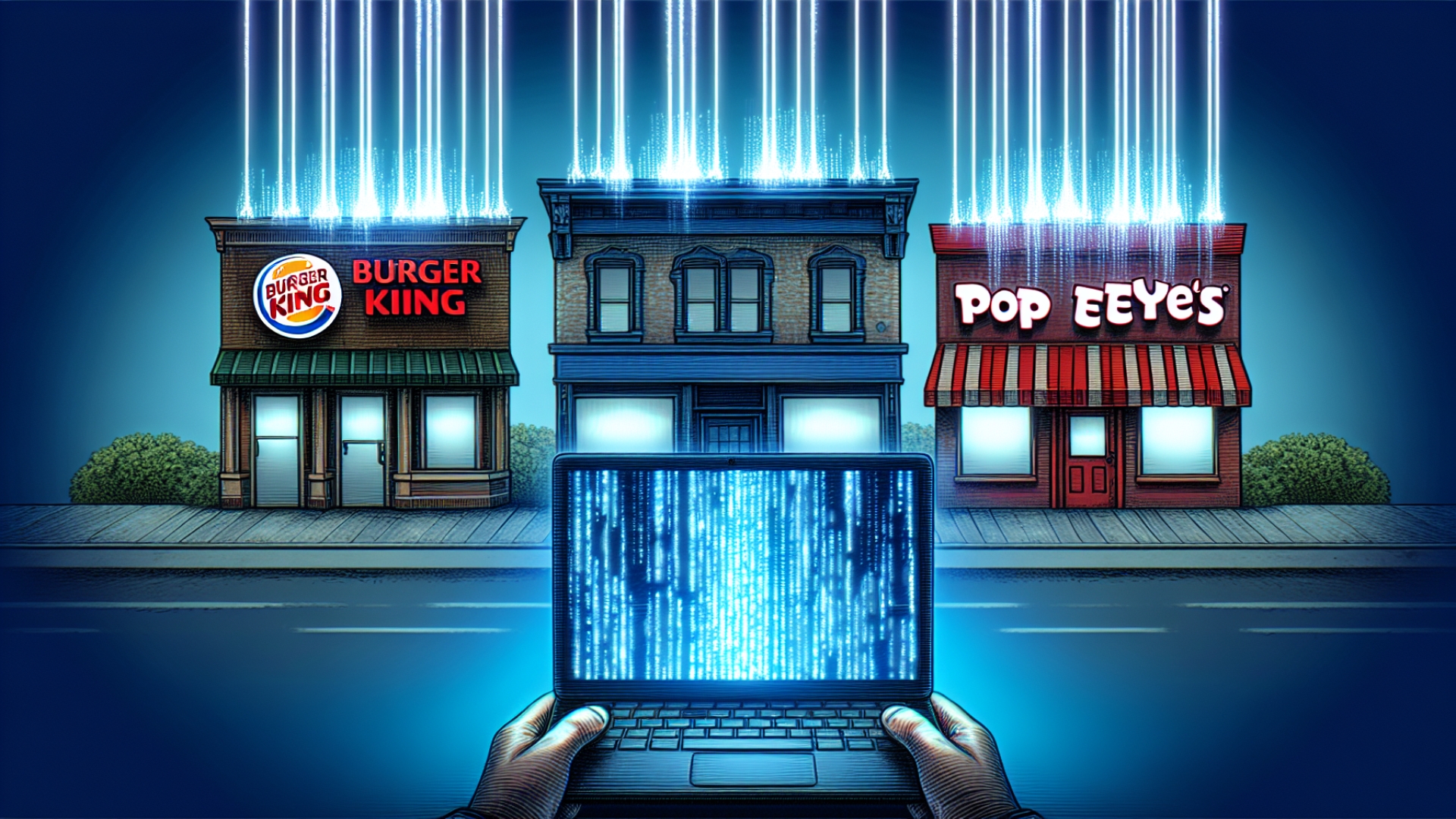
In a startling revelation that underscores the critical importance of robust digital defenses, two ethical hackers recently peeled back the layers of Restaurant Brands International (RBI)’s cybersecurity infrastructure, uncovering what they dramatically termed “catastrophic” vulnerabilities. This incident, brought to light by our own TechTalesLeo, offers a compelling narrative on how easily even major corporations can fall prey to glaring security gaps, leaving them remarking, “We’re not even mad, just impressed by the commitment to terrible security practices.”
The scope of these security oversights at RBI, the global parent company of Burger King, Popeyes, and Tim Hortons, was alarmingly extensive. The “Bobs,” as the hackers are known, navigated a pathway through RBI’s systems that granted them deep, unauthorized access:
- Effortlessly accessing RBI’s Amazon Web Services (AWS) systems, a critical cloud infrastructure.
- Creating new user accounts and self-promoting to administrator status, gaining unfettered control.
- Accessing employees’ sensitive personal information, a serious breach of privacy.
- Gaining the ability to order store equipment, add and manage store locations, and interface with store tablet systems globally.
- Unsettlingly, accessing voice recordings of customers ordering at the drive-thru, which the hackers allege are being utilized to train an AI model – raising significant questions about data privacy and the use of customer interactions.
The Disclosure and DMCA Takedown
The duo, operating under the monikers “BobDaHacker” and “BobTheShoplifter,” originally detailed their fascinating project and alarming findings in a blog post published on September 6. However, their moment of transparency was fleeting. Within 24 hours, the post was removed, replaced by a notice indicating that RBI had filed a DMCA (Digital Millennium Copyright Act) complaint.
Fortunately, for those of us deeply invested in digital innovation and transparency, the original blog post remains accessible via the Wayback Machine. There, it paints a vivid picture of the breach’s magnitude: “We stumbled upon vulnerabilities so catastrophic that we could access every single store in their global empire.” It continued with a touch of their characteristic humor, “From a Burger King in Times Square to that lonely Tim Hortons where Bugs Bunny shoulda taken a left turn at Albuquerque. Oh, and did we mention we could listen to your actual drive-thru conversations? Yeah, that happened too.”
Ethical Hacking: Mission and Corporate Reaction
The Bobs clarify their mission: to identify and report critical security vulnerabilities to companies, aiming to bolster overall security rather than for personal gain. This practice, known as ethical hacking or responsible disclosure, is crucial for improving the digital landscape for everyone.
In a surprising twist, the original blog post did commend RBI’s rapid internal response to rectify the exposed issues, noting that “RBI’s response time was impressive” regarding fixes. However, the hackers also highlighted a significant disconnect: RBI never directly engaged with them or officially acknowledged the reported vulnerabilities. This illustrates a common tension in the cybersecurity world: while companies may act quickly to patch flaws, direct communication with the researchers who uncover them is often lacking.
Ultimately, the Bobs achieved their goal of exposing and reporting significant cybersecurity flaws, despite RBI’s legal rather than communicative response. While the existence of such profound weaknesses within a major corporation’s digital infrastructure is deeply concerning for any tech enthusiast or professional, it is fortunate that these ethical hackers discovered them before more malicious actors could exploit them. This incident serves as a stark reminder for businesses worldwide to prioritize robust security measures.
The hackers concluded their account by reinforcing their strict adherence to ethical standards: “No customer data was retained during this research. No drive-thru orders were harmed in the making of this blog post. Responsible disclosure protocols were followed throughout. We still think the Whopper is pretty good, but Wendy’s is better. So Long, and Thanks for All the Fish.” This blend of technical insight and engaging narrative is precisely what Digital Tech Explorer aims to deliver, helping our community stay ahead of emerging trends and make informed decisions in the ever-evolving world of technology.