
The Call of Duty franchise stands as a titan in the world of gaming, its long and storied history often mirroring evolving geopolitical landscapes within its narratives. From its origins as a raw World War 2 shooter, where the enemy was a clear-cut and historically defined antagonist, the series has consistently pushed the boundaries of immersive combat. However, as game development moved into contemporary and near-future settings, portraying real-world countries as the primary foe became increasingly complex—a challenge that sparked a pivotal shift in how enemies are conceptualized in modern FPS gaming.
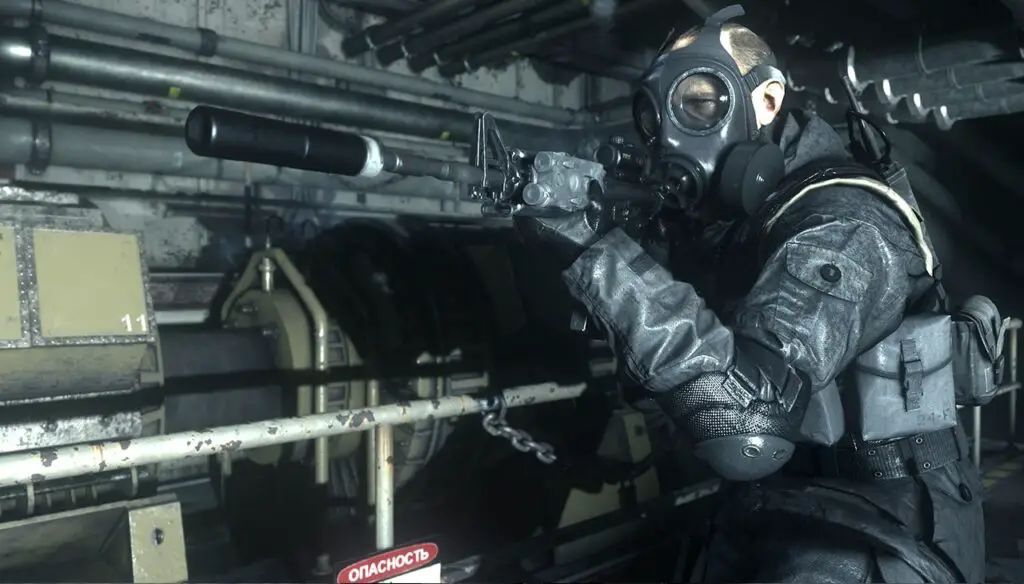
This ethical dilemma became particularly salient for former Call of Duty director Glen Schofield during the extensive press tour for the original Call of Duty: Modern Warfare 3. Schofield recounted a disquieting moment when asked to travel to Russia. His hesitation was palpable: “I’m like, ‘Do you know who the enemies are in Modern Warfare 3?’ They’re like, ‘Don’t worry, we’ll have a bodyguard with you.’ And I’m like, ‘I don’t feel any better.’” This intense personal experience left an indelible mark, leading Schofield to confront the problematic implications of national antagonists head-on.
The Strategic Pivot to Private Military Companies (PMCs) as Antagonists
That profound discomfort during the Modern Warfare 3 press circuit catalyzed a pivotal decision for Glen Schofield. He shared his resolution with journalists at a dinner: “OK, you know what, my next game is not going to have a country as the enemy. Because I want to go to those countries.” This public declaration solidified his commitment to a new narrative direction, leading to the innovative shift toward Private Military Companies (PMCs) as the primary antagonists in future titles.
This strategic move saw a corporate megalomaniac and his formidable PMC take center stage as the villains in Call of Duty: Advanced Warfare. From a development and global marketing perspective, this approach proved far safer. PMCs, by their very nature, are often viewed with skepticism and do not represent an entire nation or its populace. This allowed for broader international promotion and engagement, shedding the need for sensitive diplomatic navigation or even private security for creators.
Beyond Borders: Challenging Jingoism and Interventionism in Gaming
Schofield’s decision wasn’t merely a logistical one; it stemmed from a deeper engagement with complex themes. He grappled with concepts like jingoism, colonialism, and the ethical consequences of American interventionism—themes frequently presented without critical examination in many action games. His perspective was significantly shaped by a powerful story shared by a cohort from Iraq during his MBA studies. She recounted her family’s difficult escape from their home country, yet her uncle chose to remain.
The uncle’s reasoning resonated deeply with Schofield. When offered the chance to flee to a place advocating democracy, his response was stark: “‘Democracy? I don’t need democracy. They show up and they do their thing, and then they leave, and we got a broken country. I got everything I want here… Yeah, maybe the guy’s a little bit crazy and tough. But I got everything I need.’” This profound critique of foreign intervention became the philosophical bedrock for Jonathan Irons, the compelling antagonist in Advanced Warfare. Schofield enlisted then-president of Activision, Eric Hirshberg, to craft the villain’s iconic speech based on this very concept—a speech Hirshberg delivered “in just such an eloquent way” that it made it directly into the final game.
For tech enthusiasts and gaming aficionados eager to explore the evolution of narrative depth in PC games, understanding these foundational shifts is crucial. You can trace the peak of nation-state conflict in Call of Duty: Modern Warfare 3 and then witness the subsequent, more nuanced shift to corporate enemies in Call of Duty: Advanced Warfare. This journey highlights how developers continually adapt storytelling to address complex real-world issues, making informed decisions that shape the future of interactive entertainment. At Digital Tech Explorer, we believe dissecting such tech trends offers invaluable insight into the intersection of technology, storytelling, and global awareness.