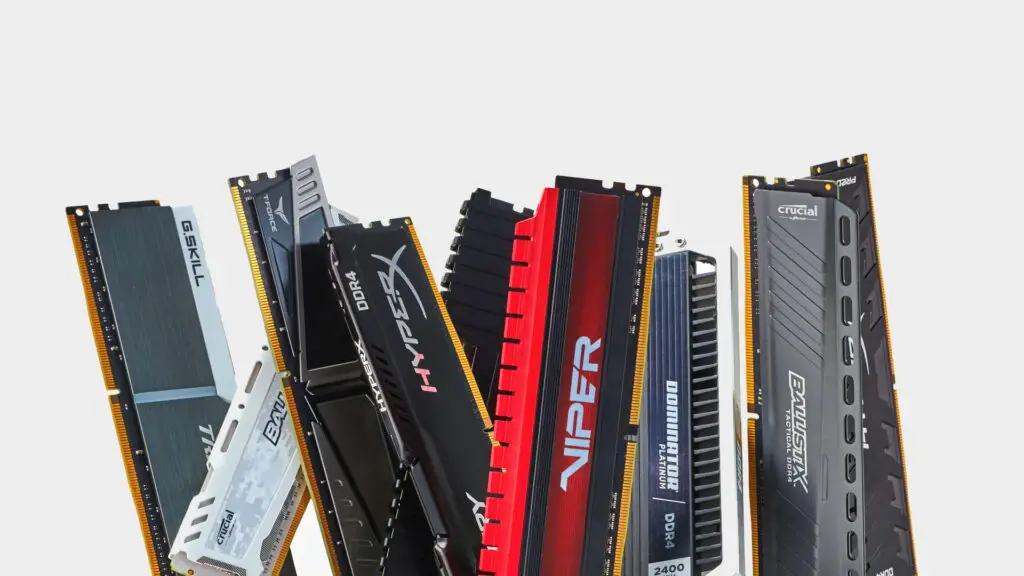
The exhilarating world of PC hardware, often a playground for gamers and tech enthusiasts, is increasingly becoming a treacherous landscape riddled with sophisticated scams. Navigating this environment safely demands vigilance, even from the most seasoned veterans. At Digital Tech Explorer, our aim is to provide insightful tech stories that keep you informed. A recent incident vividly illustrates this growing menace, where a consumer eagerly anticipating cutting-edge DDR5 RAM was instead duped into receiving outdated DDR2 memory, cleverly disguised with fake labels mimicking modern heatsinks.
Unpacking the Deception: The DDR5/DDR2 Swap Scam
This particular tale of deception, a prime example of the challenges in digital innovation, centers around a shopper named BravoNorris. They had purchased four Adata XPG Caster 32 GB DDR5-6000 CL40 kits, each promising two 16 GB memory sticks. Advertised as brand new and factory-sealed from Amazon Spain, the initial transactions went smoothly. BravoNorris successfully sold one kit and installed another without incident. However, the unsettling truth emerged upon opening the third box. Instead of the anticipated high-performance DDR5 modules, two ancient DDR2 sticks lay within, meticulously adorned with misleading DDR5 heatsink stickers—a clever ruse designed to bypass a casual inspection through the packaging window.
Further investigation into this elaborate scheme, typical of sophisticated tech trends, revealed a small metal plate cunningly hidden inside the box. Its purpose? To artificially inflate the weight, compensating for the significant difference between the lightweight DDR2 modules and the expected, heavier DDR5 memory. The packaging itself, plastic-wrapped and originating from the same Irish distribution point as the genuine products, strongly suggested a case of sophisticated return fraud. It appears a cunning individual had previously acquired the legitimate memory kit, swapped its valuable contents with cheap, obsolete components, meticulously resealed the package, and returned it to Amazon. This insidious cycle ultimately led to BravoNorris’s unfortunate discovery, underscoring the vulnerabilities in even major retail supply chains, and highlighting the importance of thorough research, a core value at Digital Tech Explorer.
Beyond RAM: The Broader Spectrum of Hardware Scams in the Tech World
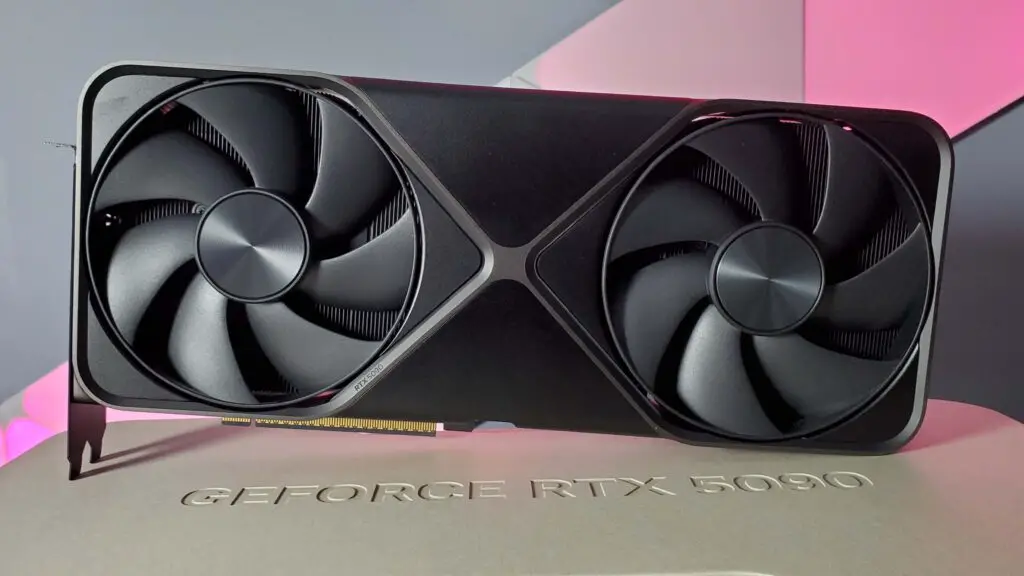
This incident, while specific, is far from isolated. It serves as a stark reminder of a pervasive issue within the broader hardware market, a problem often exacerbated by soaring demand and volatile pricing. As PC gaming and AI acceleration continue to drive innovation, so too does the opportunity for opportunistic scammers. Beyond memory, the graphics card market has long been a fertile ground for fraudulent activities. From rampant scalping bots attempting to resell non-existent Nvidia RTX 5090 graphics cards for astronomical prices—sometimes as high as $7,000—to elaborate physical scams, desperate buyers remain prime targets for exploitation. Our in-depth tech news at Digital Tech Explorer aims to keep you ahead of these alarming trends.
Battling the Fraudsters: Noteworthy GPU Scams and Community Countermeasures
The shadow of hardware fraud extends even into the physical retail domain, illustrating the depth of this challenge. A truly egregious example unfolded at a Silicon Valley Micro Center, where a staggering $90,000 worth of what should have been premium RTX 5090 GPUs were discovered to have been cunningly swapped with everyday items like crossbody backpacks within their sealed boxes. This shocking discovery underscores the extreme vulnerability of even meticulously managed supply chains to sophisticated return fraud schemes, where the perpetrators clearly understand the packaging and logistical nuances.
However, the Digital Tech Explorer community and the wider tech world are not without their defenses. In a creative and often humorous response to relentless scalping bots, many eBay users initiated a clever counter-tactic: listing printed pictures of the RTX 5090 for prices mirroring the actual GPU, sometimes even including a physical frame for added irony. This ingenious approach aimed to disrupt automated scalping attempts, flood the market with “fake” listings, and highlight the sheer absurdity of the market’s inflated prices and predatory practices. It’s a testament to how the community bridges the gap between complex technology and everyday usability, finding innovative solutions.
Safeguarding Your Investment: Essential Tips for Tech Enthusiasts
At Digital Tech Explorer, our mission is to help developers and tech enthusiasts stay ahead of trends, make informed decisions, and enhance their skills. To safeguard against becoming a victim of such insidious scams, especially return fraud, we highly recommend a meticulous approach to documenting your purchases. For any expensive hardware, make it a standard practice to record the entire unboxing process. This involves capturing everything from the initial removal of the shrinkwrap to a thorough inspection of serial numbers and product authenticity. Such irrefutable visual evidence can be absolutely crucial for resolving disputes, challenging fraudulent claims, and ultimately securing refunds if a product turns out to be anything less than genuine. Stay vigilant, stay informed, and protect your tech investments!
Authored by TechTalesLeo, a dynamic storyteller bringing technology to life through captivating narratives and insightful content for Digital Tech Explorer.Affiliate Disclaimer:Some of the links on Digital Tech Explorer are affiliate links. This means we may earn a commission if you click through and make a purchase, at no additional cost to you. Our recommendations are based on thorough research and personal experience to help you make informed decisions.