
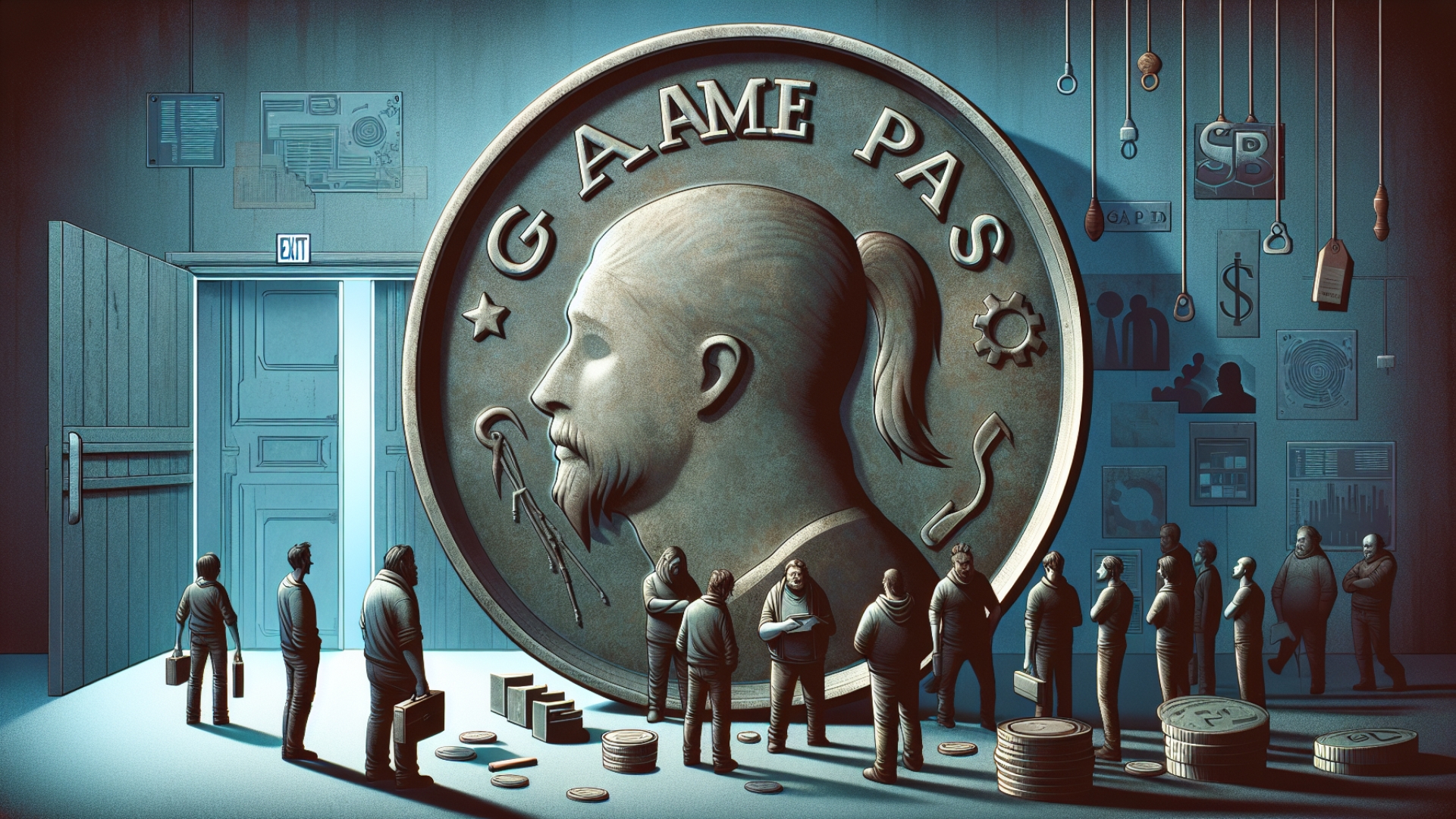
In the ever-evolving landscape of gaming technology, discussions around the sustainability of subscription-based game services are intensifying. Recently, Pete Hines, former VP of communications and marketing at Bethesda, critically assessed the “short-sighted thinking” he believes is driving platforms like Xbox Game Pass. Hines emphasized a crucial imbalance: “If you don’t figure out how to balance the needs of the service and the people running the service with the people who are providing the content—without which your subscription is worth jack shit—then you have a real problem.” He stressed the imperative to properly compensate and acknowledge the immense effort involved in creating engaging content. “That tension is hurting a lot of people, including the content creators themselves, because they’re fitting into an ecosystem that is not properly valuing and rewarding what they’re making.” This poignant sentiment resonated with Shannon Loftis, former World’s Edge studio head and Xbox Games Studios vice president, who affirmed, “As a longtime first party Xbox developer, I can attest that Pete is correct.” Here at Digital Tech Explorer, we delve into these critical industry shifts to help developers and tech enthusiasts make informed decisions.
The Hi-Fi Rush Paradox: Popularity vs. Profitability on Game Pass
The core tension voiced by industry veterans finds a stark illustration in the story of Tango Gameworks’ critically acclaimed rhythm-action title, Hi-Fi Rush. Hailed as a “breakout hit” by Microsoft itself, the game captivated an impressive three million players. Yet, this substantial player base, largely amassed through its inclusion on Game Pass, demonstrably did not translate into a comparable number of direct retail sales. Despite its widespread popularity and overwhelmingly positive reception, Microsoft controversially closed Tango Gameworks in June 2024. Although a definitive explanation for the closure remains elusive, the outcome casts a long shadow, suggesting that even delivering a widely celebrated and successful game may no longer guarantee a studio’s viability within the current subscription-driven ecosystem.

The Economic Model of Game Pass: A Challenge for Content Creators
Delving deeper, the underlying economic model of services like Game Pass undeniably poses a significant challenge for game developers and content creators. As Shannon Loftis acutely observed, “the majority of game adoption on GP comes at the expense of retail revenue, unless the game is engineered from the ground up for post-release monetization.” In this subscription landscape, users pay a fixed monthly fee for a vast library, meaning individual titles rarely generate direct sales from every player who experiences them. While proponents argue that many of these players wouldn’t have purchased every game individually anyway, the inherent value proposition of the subscription service is entirely predicated on the quality and diverse appeal of these very games. This creates a fundamental and often frustrating conflict: the innovative and creative work that makes the service attractive to subscribers is frequently not rewarded in a manner that truly reflects its pivotal contribution to the platform’s overall success.
Unpacking Industry Concerns: The Long-Term Viability of Subscription Gaming
The long-term viability of the subscription gaming model is not merely a financial question; it’s a subject of intense and growing debate across the industry. Raphael Colantonio, founder of Arkane Studios, candidly labeled it an “unsustainable model that has been increasingly damaging the industry for a decade.” Beyond the balance sheets, concerns ripple into the very culture of game development. Shawn Layden, former head of Sony Worldwide Studios, articulated how these services can inadvertently cultivate a “wage slave” mentality among developers. Instead of striving to create a distinct, commercially successful product and sharing in its potential triumphs, developers might find themselves simply paid to churn out content for a service. “It’s just, ‘You pay me X dollars an hour, I built you a game, here, go put it on your servers’,” Layden observed, underscoring a concerning pivot away from recognizing and rewarding genuine creative innovation.
Adding another layer to this complex narrative are Microsoft’s own actions. Despite the company’s assertions that Game Pass remains profitable—a calculation often criticized for omitting the critical factor of lost first-party game sales—recent corporate decisions paint a different picture. The tech giant initiated significant layoffs of 9,000 employees and shuttered multiple esteemed studios, including Perfect Dark developer The Initiative. This occurred even as Microsoft reported a staggering $27.2 billion in net income for the fourth quarter of its 2025 fiscal year. This stark contradiction between declared profitability and aggressive cost-cutting measures, which included dismantling successful development teams, vividly illustrates the “weird inner tensions” within the subscription ecosystem that prominent industry figures are now openly challenging. For those following the gaming industry, these events prompt crucial questions about the future of digital content and developer well-being.