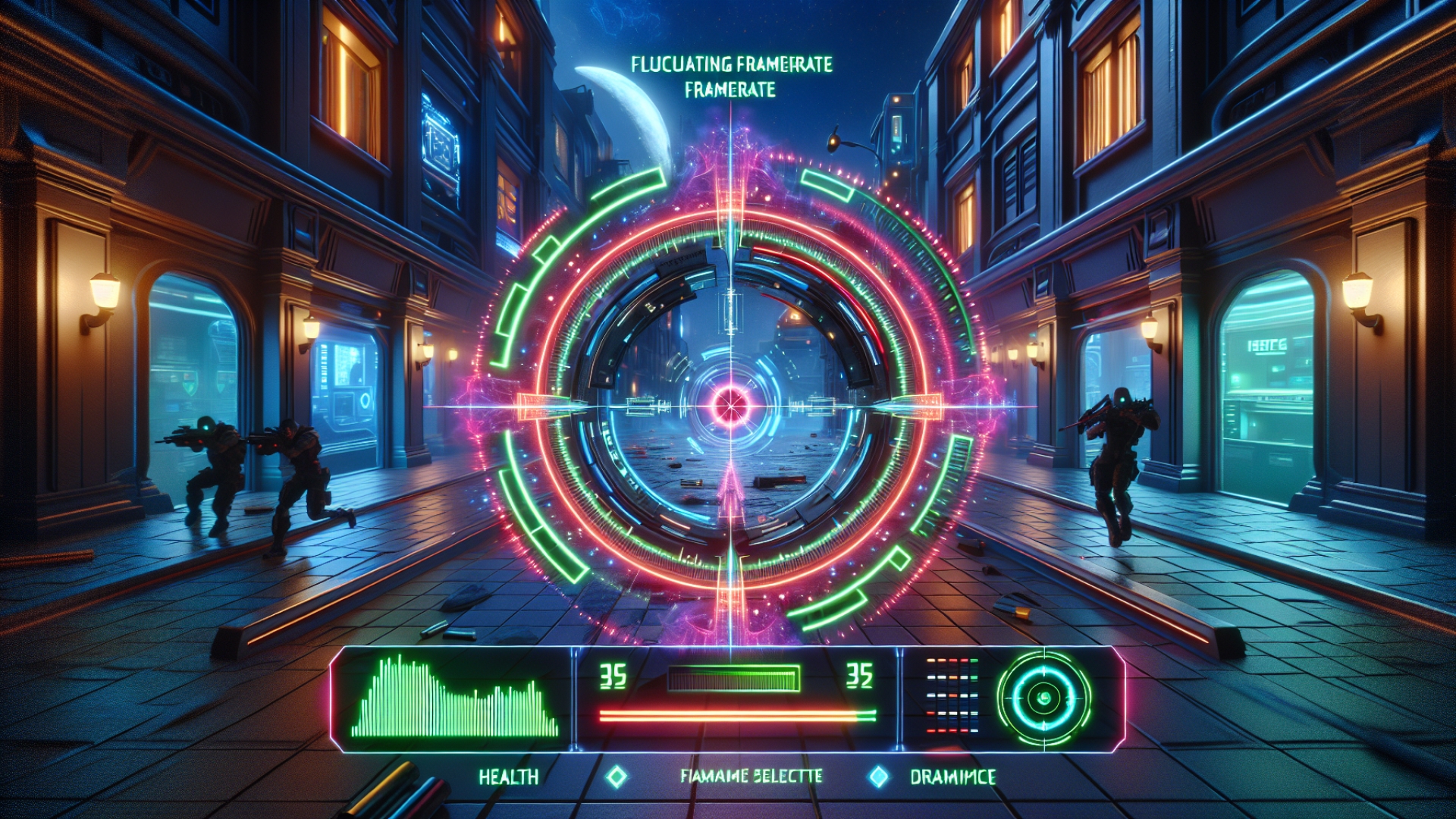
Here at Digital Tech Explorer, we’re constantly on the hunt for titles that redefine gaming conventions. Just when the realm of first-person shooters seemed to have explored every conceivable innovation, a groundbreaking new entry, FPS Quest, emerges with a truly audacious premise: your in-game health is literally your framerate. Authored by TechTalesLeo, this deep dive explores how this mechanic promises to deliver an unprecedented layer of challenge and immersion, making technology both educational and entertaining.
The Core Innovation: Health as a Dynamic Framerate
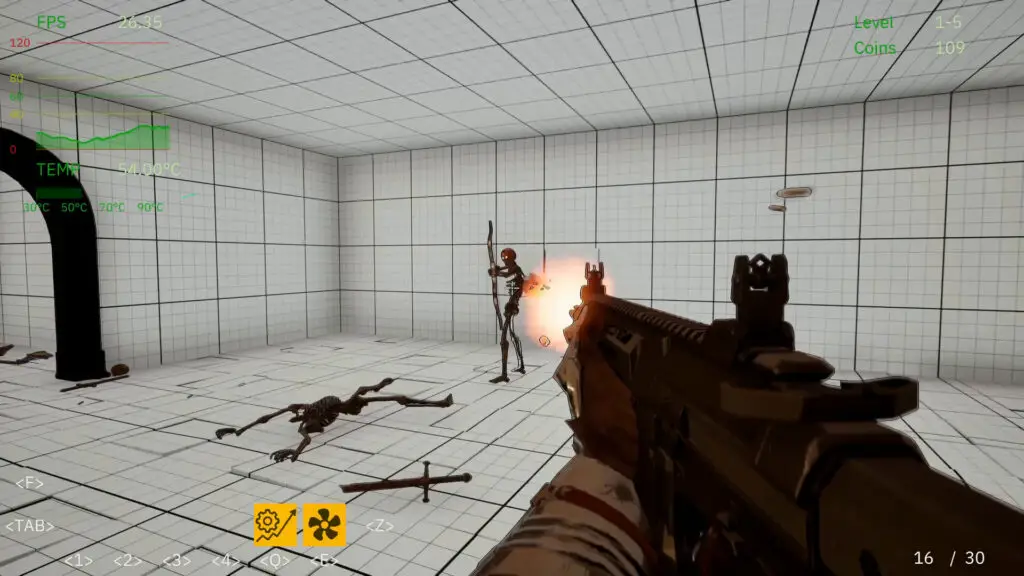
At the very heart of FPS Quest lies its most striking and talked-about feature: the direct correlation between a player’s vitality and their frames per second (FPS). Unlike traditional shooters where health simply diminishes, here, taking damage translates into a tangible drop in your actual framerate. Imagine the sheer intensity of a virtual firefight where every hit doesn’t just reduce a numerical bar, but actively slows down your perception, making the world around you increasingly sluggish and difficult to navigate. This creates a visceral, immediate feedback loop, transforming the concept of “staying alive” into the challenge of “maintaining visual fluidity.” It’s a bold design choice that compels players to not only master combat but also to keenly manage their on-screen performance.
Unleashing Player Agency: The Game Manipulation System
Beyond its innovative health system, FPS Quest introduces an equally profound and game-changing upgrade system. While conventional enhancements like stronger weaponry are available, the true genius lies in the ability to fundamentally alter the game’s very fabric – its mechanics and aesthetics. Players are empowered to make radical optimizations, such as swapping a detailed 3D weapon model for a simpler 2D sprite gun to gain precious frames. Further pushing the boundaries of player agency, you can literally “hack apart the level geometry” or “yank out all the columns in the game’s map” for a direct increase in framerate. These upgrades offer a tangible boost to your “health” (framerate) but often demand significant trade-offs, like sacrificing critical environmental cover. This level of control appeals directly to developers and tech enthusiasts, prompting them to consider the interplay between performance and visual fidelity in a real-time gaming environment.
The Intrigue of “Breaking” the Game: Design and Player Challenges
The extensive degree of game manipulation offered by FPS Quest naturally invites a captivating exploration of its game-breaking potential. The developers themselves hint at scenarios where players can “screw with the game so much that the whole thing becomes downright broken,” potentially rendering the world “more dangerous, confusing, or outright absurd” through excessive modification. This intriguing concept echoes the experimental spirit of titles like Double Fine’s *Hack ‘n’ Slash*, where players directly modified game code. However, the critical challenge for Fairlight Games Industry lies in striking a delicate balance. While empowering players with immense agency to alter environments and performance is undeniably exciting for a tech-savvy audience, it also presents complex design challenges. The success of this title, as TechTalesLeo emphasizes, will hinge on whether it can maintain meaningful interaction and engagement without succumbing to overwhelming complexity or system-wide instability. It’s a fascinating experiment in user-driven game design.
As Digital Tech Explorer, we believe FPS Quest stands as a testament to bold innovation in the PC gaming landscape. Its ambitious blend of health as framerate and unparalleled game manipulation truly sets it apart in the first-person shooter genre. This title challenges players not just to master combat, but to understand and strategically bend the very rules of the game world. TechTalesLeo finds it endlessly fascinating to observe how Fairlight Games Industry navigates the fine line between pioneering gameplay and potential system fragility, aiming to deliver a title that genuinely pushes the boundaries of what an FPS can be, inspiring both tech novices and seasoned professionals alike. Stay tuned to Digital Tech Explorer for more insights into such cutting-edge developments!