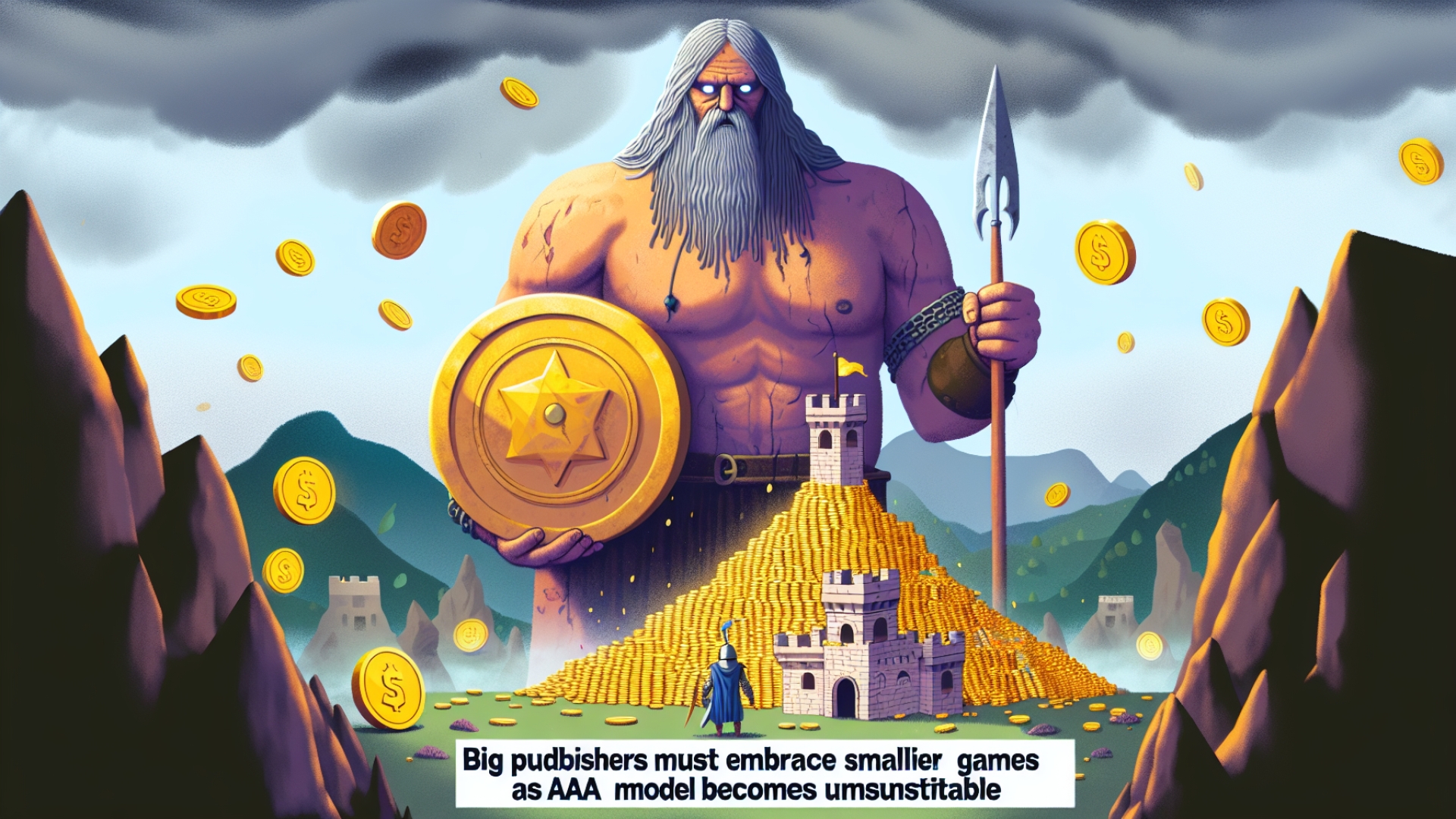
Here at Digital Tech Explorer, we’re constantly observing the pulse of the tech world, and it’s clear that
Western games development is currently facing significant challenges. The industry has seen over 45,000 job layoffs since the COVID bubble burst in 2022, as
publishers and studios grapple with rising costs and evolving player priorities. In this landscape, viral hits from smaller teams, such as
Clair Obscur: Expedition 33 and
Peak, have emerged, making billion-dollar companies like
EA,
Activision, and
Ubisoft appear somewhat dated in their approach to innovation and market relevance.
Industry Veteran’s Outlook: The Imperative for Smaller Scale and Fun-First Design
Meghan Morgan Juinio, former director of product development at Sony-owned Santa Monica Studios, offers a clear perspective on the future: a shift towards
smaller-scale development is inevitable. “I think personally we’re going to have to,” she stated during a recent interview, emphasizing the unsustainability of current blockbuster development costs. The numerous layoffs, particularly on the West Coast of the US, are a direct consequence of soaring minimum development expenses. Juinio believes these financial pressures will compel major publishers to forge new pathways, potentially opening doors for more diverse gaming experiences.
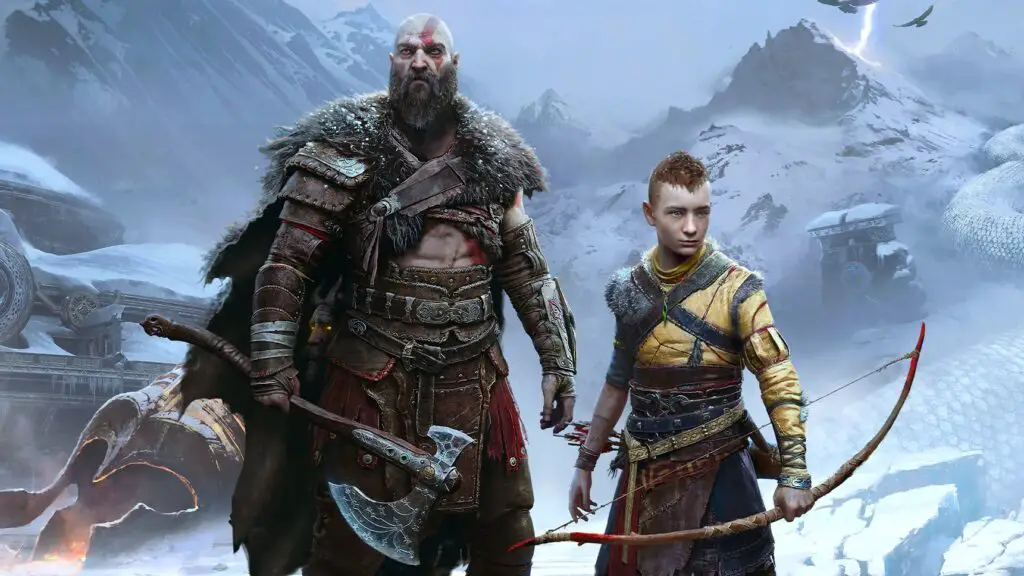
While a monumental game like
God of War Ragnarok might not disappear entirely, Juinio anticipates the emergence of avenues for AA or single A titles from larger publishers. The current model, she argues, is simply not sustainable. Her core philosophy for success in this evolving environment is straightforward: “just make something fun. Just make something awesome, and that will achieve what you need it to achieve.”
As TechTalesLeo explores, Juinio further clarifies this “fun-first” approach. Despite challenges such as
game distribution and visibility, and the fact that a significant portion of American gamers are 35 and older with potentially less time for extensive gaming, she stresses the paramount importance of enjoyment. A game, regardless of its visual fidelity, soundtrack, or critical accolades, is not worth the investment—whether two million or 500 million dollars—if it isn’t inherently enjoyable. This philosophy advocates for a return to basics: building solid, truly fun games that may not be 40 hours long or feature the most cutting-edge graphics, but deliver an incredibly engaging core experience that resonates deeply with players.
Despite this sound reasoning from an industry veteran, it remains uncertain whether major publishers can effectively adapt to making these kinds of
fun-first games. Even if they succeed, there’s no guarantee of widespread player adoption in a volatile market. The contemporary gaming landscape shows a stark contrast: a lo-fi co-op game like
R.E.P.O. can become an overnight sensation, while a title such as the
Prince of Persia roguelike struggles to garner enough interest to justify continued post-launch support, despite being from an established franchise. This unpredictability of player preferences and market response poses a significant hurdle for major publishers attempting to navigate this crucial shift towards smaller-scale, fun-driven development, a trend Digital Tech Explorer will continue to monitor closely.