
As Digital Tech Explorer continuously navigates the intricate world of gaming, some stories stand out not just for their technical brilliance but also for the baffling decisions surrounding them. Arkane’s 2017 immersive sim, Prey, is a prime example. This critically acclaimed title, a true highlight in the landscape of PC games, carries a legacy of confusion simply due to its name. Sharing a title with an unrelated shooter and a famously canceled sequel, the decision to call it “Prey” was contentious from the start. Both Arkane founder Raphael Colantonio and former Bethesda marketing boss Pete Hines voiced strong opposition, a fascinating glimpse into the internal struggles behind a beloved game.
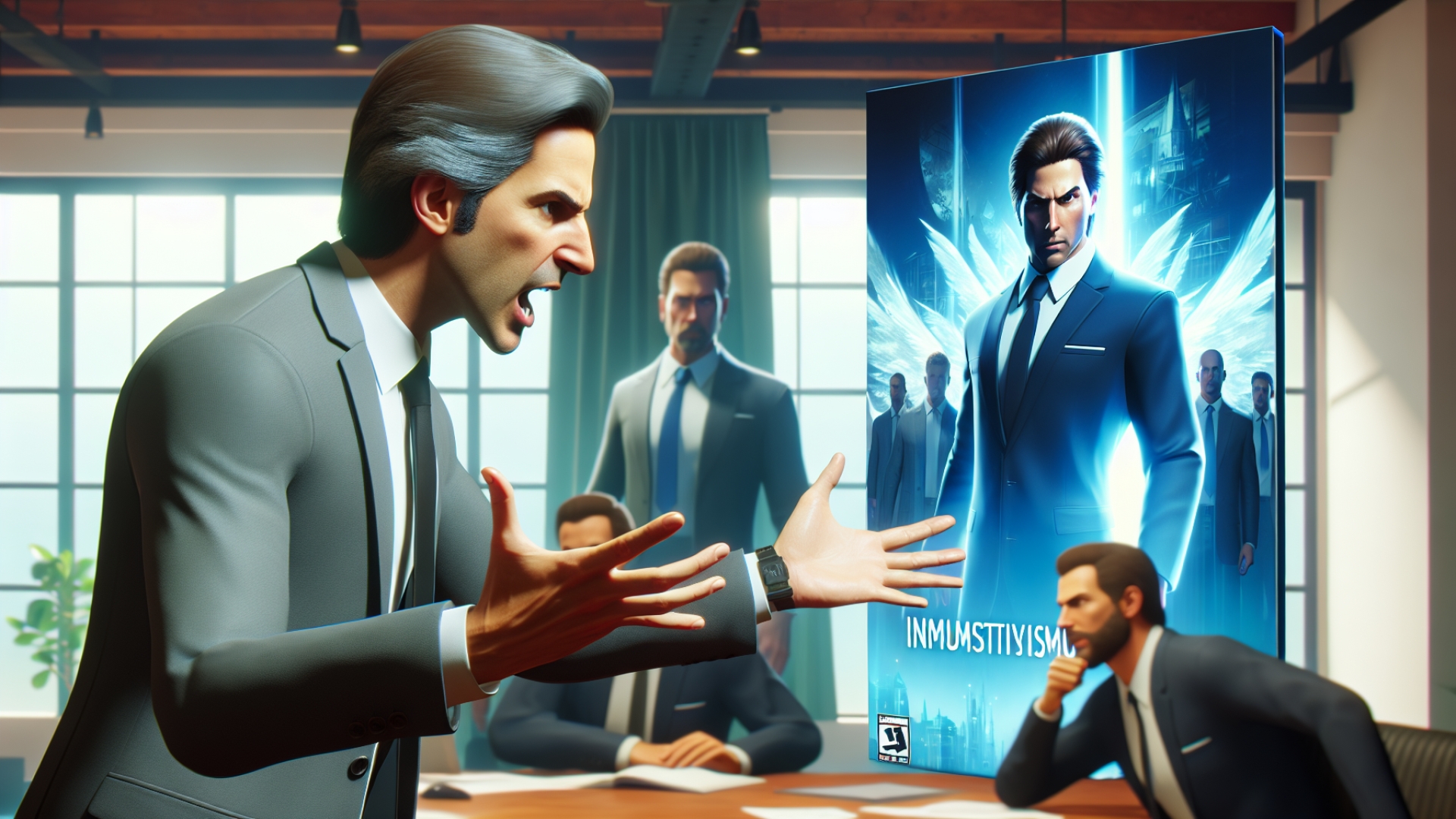
Hines’ frustration was palpable: “I definitely pissed some people off internally over that because I fought so hard against using that name,” he recounted. “I’m the head of the spear, but I had a lot of people across my team—brand, PR and community—and we feel like we’re burdening it with a name where we spend more time explaining why it’s called Prey than we do talking about the game.” This highlights a critical challenge for any publisher, where valuable marketing energy, meant for promoting a game’s unique merits, gets diverted into clarifying a branding mishap.
A Confusing Legacy: The History of the ‘Prey’ Name
The saga of the ‘Prey’ name is indeed a convoluted one. It began with Human Head Studios’ original 2006 shooter, which garnered positive reception. A highly anticipated sequel was conceptualized, evolving into a distinct spin-off with a new protagonist and setting. Despite an impressive cinematic trailer that fueled anticipation, this project ultimately met cancellation. Fast forward years later, Bethesda controversially resurrected the ‘Prey’ title for Arkane Studios’ entirely unrelated 2017 project. This move, while giving us one of the finest immersive sims in recent memory, ironically saddled it with a name that required relentless clarification, overshadowing its unique identity and brilliant design.
Pete Hines’ Fight and Regret Over the Title
The impact of this decision resonated deeply within the creative teams. Arkane founder Raphael Colantonio famously cited the forced naming as a significant source of frustration for the development team, even contributing to his departure from the studio shortly after Prey (2017) was released. Pete Hines shared this profound regret, recalling his fervent but ultimately unsuccessful campaign against the name. “Nobody on this planet could have put more of a good faith effort into changing minds on that,” Hines asserted, highlighting the futility. His central argument was clear: “My whole point was, look how much time we spend talking about what the game is versus why it’s called this and like, that is wasted energy. That is wasted excitement. We could be turning that into something positive.” This sentiment perfectly encapsulates the missed opportunity, where a brilliant product’s potential market traction was arguably hampered by a branding conflict.
Author’s Take and a Recommendation for ‘Prey’ (2017)
From my perspective as TechTalesLeo, while attributing a game’s market performance solely to its name is complex, it’s undeniable that the branding issue surrounding Prey (2017) created an unnecessary hurdle. Bethesda’s unyielding commitment to a recycled title, despite a universe of alternative options, stands as a curious case study in video game marketing—a point of discussion Digital Tech Explorer finds endlessly fascinating. Regardless of this historical branding blunder, the game itself is an absolute masterpiece of the immersive sim genre. Its intricate level design, compelling narrative, and innovative gameplay mechanics make it a must-play for any discerning gamer or tech enthusiast. If you’ve yet to experience this gem, you’re in for a treat: you can currently snag the critically acclaimed immersive sim Prey for a significant discount on GOG. It’s a prime example of how exceptional design can overcome even the most baffling marketing decisions.
Beyond the ‘Prey’ naming saga, Hines’ interview offered further candid industry insights, including his memorable recounting of the infamous Fallout 76 canvas bag debacle. His genuine, bewildered reaction—”When the f— did we add a canvas bag to this collector’s edition?”—underscored the unpredictable nature of product development and marketing challenges in the gaming industry, a testament to the real-world complexities that often shape our digital experiences.