

The contemporary football landscape thrives on an unprecedented level of scrutiny. The sport is a 24-hour news cycle, with every development meticulously analyzed across myriad platforms. Major events, like the transfer deadline, ignite countless live blogs and intense studio coverage, often oscillating between fervent praise, sharp criticism, and speculative “will he, won’t he” narratives.
Beyond the news, matches themselves are inundated with statistics, and players’ performances are dissected with a ‘Moneyball’-esque precision. Yet, long before ‘Moneyball’ captured public imagination, video games were already distilling sports into their purest numerical forms. In 1992, developers Paul and Oliver Collyer unveiled their calculating, statistic-obsessed vision of the beautiful game, laying the groundwork for a digital revolution in sports management simulations.
The original Championship Manager wasn’t an immediate sensation, nor was it a failure. Its 1993 follow-up, Championship Manager 93, introduced crucial improvements. The Collyer brothers subsequently founded Sports Interactive in July 1994 to nurture what was becoming a steady sales success. The true genius of Championship Manager lay in its core design: an unwavering focus on statistics, a deceptively simple visual style, and an authentic connection to the real-world sport. This foundation was perfectly suited for annual iterations. Football’s inherent cycle of seasons, rolling competitions, and constant player movement meant each new version of Championship Manager could encapsulate this dynamic change and intrigue that fans crave.
New Formation: The Evolution and Cancellation of a Gaming Icon
Over three decades later, the world of football has transformed almost beyond recognition, and Championship Manager, later re-branded Football Manager, has consistently evolved alongside it. Renamed in 2004 following a publisher split, the series had by then cemented its reputation as one of gaming’s most reliable annual sports franchises, continuously iterating while keeping the management fantasy at its core. But as any football enthusiast knows, the game can always surprise you.
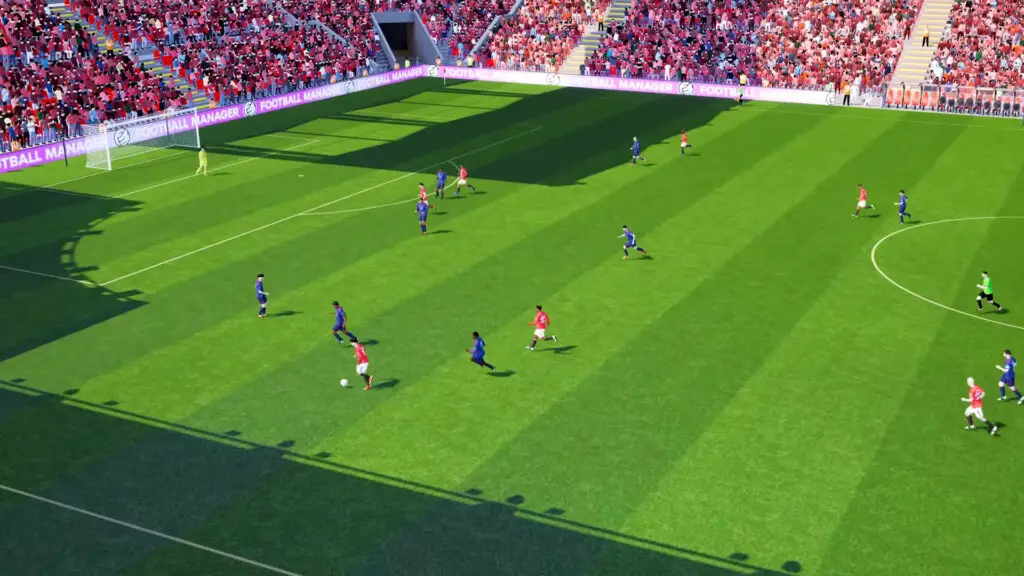
On February 7, 2025, after two prior delays, Football Manager 2025 was unexpectedly cancelled. Sports Interactive provided the somewhat vague explanation that “the overarching player experience and interface is not where we need it to be.”
Six months later, SI studio head Miles Jacobson was more direct. “If we had released FM25 in the state that it was in, it wouldn’t have been good value for money and it would have damaged us forever,” Jacobson recently told the BBC, acknowledging it as “the most expensive decision we’ve ever made.”
While Jacobson offered a mea culpa, popular FM content creator Clayts articulated a common sentiment: “It would be nice to have things explained in more detail, what specifically wasn’t ready, how confident they are heading into a new game etc.” This highlights the tech community’s desire for transparency and granular insight into development processes.
For FM26, SI promises a new game engine, a revamped UI, and significantly improved graphics. However, the pre-cancellation FM25 was also touted as offering the “biggest technical and visual advancement for a generation,” setting incredibly high expectations for its successor among tech enthusiasts and avid players.
Squeaky Bum Time: The Match Engine Under the Microscope
“Everything about the FM25 lead up was about how it was going to be a huge step forward with Unity,” notes Clayts, emphasizing that the most highly anticipated change revolves around the game’s match engine. The FM franchise boasts a fiercely loyal and enthusiastic fanbase, yet critics of the game’s aging approach to simulating on-pitch action are vocal. Their concerns range from the underlying calculations that govern player behavior to how the engine communicates crucial information to aspiring tactical maestros like myself and others, who revel in mastering football’s strategic depths.
Following FM25’s cancellation, the ingenuity of the FM community shone through. Fan-coders took matters into their own hands, creating sophisticated mods for FM24’s match engine. These adaptations, focusing on improved ball physics, more intelligent opposition AI decision-making, and general lighting enhancements, have largely been a resounding success. This grassroots innovation filled the void left by the cancellation, with notable FM content creators actively promoting the best of these community-driven technical tweaks – a testament to the collaborative spirit within the tech and gaming communities.
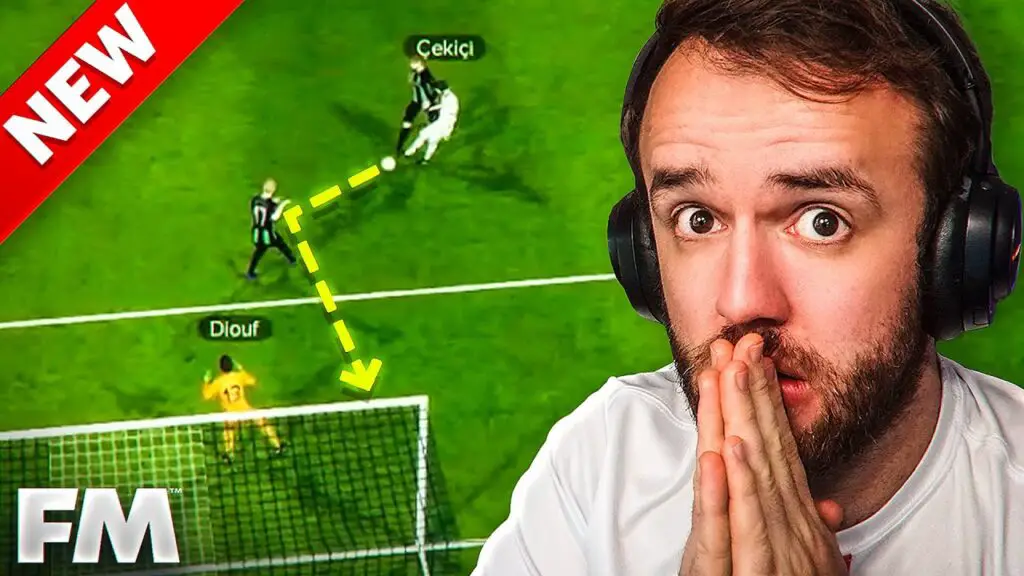
In a popular video demonstrating the ‘XYZ’ mod, commenter @RishiJParmer exclaimed, “This is impressive.” Another user, @whichva, simply stated, “I could never change back,” underscoring the profound impact these fan modifications had on the player experience.
Tiki Taka: Enhanced Realism and the Unity Engine’s Promise
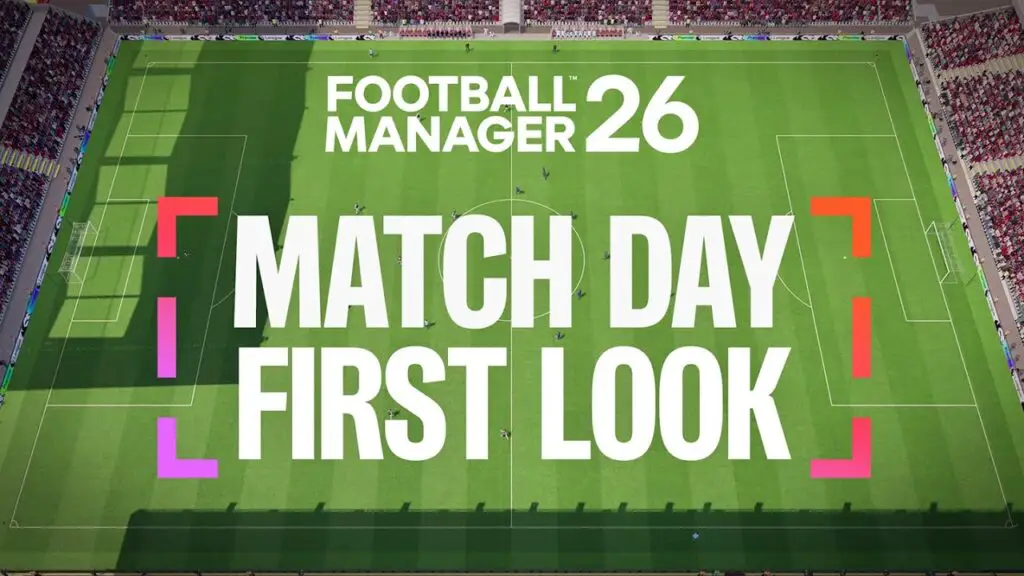
This particular mod introduced welcome alterations to player conduct on the pitch. One viewer recalled a moment where Pau Torres, a centre-back, remarkably scored an audacious bicycle kick after applying the mod. In SI’s recent Matchday First Look for FM26, similar exciting minor details were spotted, including what appeared to be Dominic Calvert-Lewin attempting a spectacular bicycle-kick effort that was well saved by the goalkeeper, hinting at a more dynamic and unpredictable gameplay experience.
Ultimately, what truly matters is that on-pitch players make decisions that logically align with the unfolding game. As a manager who often uses the classic 2D camera angle, I, like many others, have reached boiling point watching a bewildered full-back inexplicably throw the ball straight to the opposition for the third time in a single match.
Beyond core gameplay, other minor yet impactful details include the faithful recreation of Premier League arenas, such as Bournemouth’s Vitality Stadium and Crystal Palace’s Selhurst Park, alongside noticeable improvements to the visual effects of nets during goals.
Of course, the most eye-catching revelation was the brand-new match engine graphics. These represent a spectacular leap beyond FM24 and certainly appear to validate the significant technical shift to the Unity engine, promising a visually richer simulation for players.
Yet, captivating visuals are only part of the equation. After almost two years with FM24, the gameplay can often feel predictable and repetitive, explaining why fans eagerly embraced mods that injected unpredictability into the underlying simulation. The ultimate aspiration for FM26 is a match engine that not only looks stunning but also captures more of that thrilling, edge-of-the-seat essence of real-life football, where moments like Garnacho’s brilliant bicycle kick against Everton or Che Adams’ tremendous halfway-line effort against Empoli can truly happen. While community mods might push the boundaries in some respects, if Sports Interactive can deliver a simulation engine that captures even a fraction of this euphoric unpredictability, it will undoubtedly make the extended wait for FM26 entirely worthwhile.
Regardless of the specific changes, players are united in their hope that SI will implement truly transformative adaptations to the match engine. However, after such a prolonged wait and the disappointment of FM25’s cancellation, not everyone’s expectations are equally lofty. “Honestly,” says Clayts, “I’m just hoping for a polished game that works with everything that they originally promised for [FM] 25, perhaps one or two advancements on top of that.” This perspective underscores the importance of a stable, feature-complete release for the tech-savvy community.
While the match engine remains a primary focus for many, there are other significant footballing reasons for anticipation, not least SI’s landmark announcement of their partnership with the Premier League. In the digital realm where gaming and sports converge, securing the Premier League license—arguably for the greatest football league in the world—is the ultimate achievement. It’s a privilege so exclusive that only EA Sports, with their FC (formerly FIFA) series, has held comparable bragging rights.
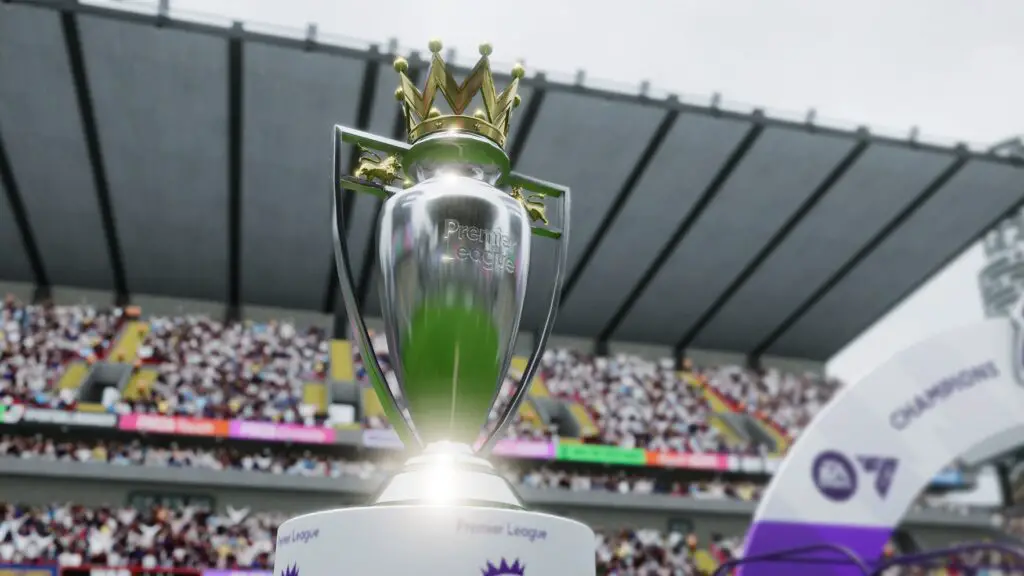
This particular license holds immense potential for the football manager fantasy: immersing players in the drama, politics, and sheer spectacle of management at football’s sharpest end. While the full impact of this tie-up may not be realized entirely in FM26, it could fundamentally transform aspects of how the series approaches modern football management. Being a Premier League manager in 2025 is a profoundly different experience than even two decades prior. Another intriguing benefit of this partnership is the enhanced flexibility and endless possibilities for ‘Road to Glory’ saves, with seven separate leagues in the English football pyramid now fully licenced. The ‘Stattos’ among us will undoubtedly be salivating at the data-rich opportunities.
Interestingly enough, one of the FM25 features that didn’t pan out was replacing email inboxes with WhatsApp-style messaging. Jacobson admits “that system didn’t work,” but acknowledges that the concept might still find a role as a smaller component within a broader communication framework, showcasing the iterative nature of software development.
Finally, the most genuinely innovative element confirmed for FM26 is the introduction of women’s football. This feature was initially slated for FM25 and has been a long time coming, not least because Sports Interactive meticulously built a new player database and undertook motion-capture from scratch to ensure authenticity.
The last decade has witnessed women’s football achieve greater visibility and prominence than ever before. In England, the phenomenal success of the Lionesses has captivated millions of new fans, with the quarter-final stage of the recent Women’s EURO attracting record-breaking spectator numbers. While SI wasn’t always enthusiastic about adding the women’s game for commercial reasons, it seems we can largely credit the Lionesses for shifting that perspective. Jacobson recalls, “At an event, some of the Lionesses came and told me that it would never be commercially viable unless people like us got behind it.”
The inclusion of the women’s game will open up a whole new world for Football Manager aficionados. While there are bound to be grumbles from the usual suspects, most players will, at the very least, be curious to explore how FM26 simulates this aspect of the sport. Different statistical priorities, a distinct pace, varied tactical approaches – in this regard, FM26 promises something truly fresh, extending beyond the usual iterative updates and offering a unique challenge for both tech novices and seasoned professionals.
Some community hopes may, for now, remain pure fantasy football. However, one would hope FM26 will indicate the future direction for features like mid-season updates, especially given the enhanced Premier League tie-in. Imagine a regular patch offering players the chance to unpick that month’s knottiest problems, whether it’s guiding a newly-promoted side out of a rut in crucial final games, or winning a Hail Mary trophy at Spurs only to face the inevitable sack.
FM26 will largely be an iterative entry in an evolving series, yet it faces more scrutiny and higher expectations than the franchise has encountered in a considerable time. “@96LeedsAlex on X” encapsulated the sentiment, stating, “So much pressure on FM26 now, if it’s a disaster they’re in big trouble,” in response to a breakdown of Miles Jacobson’s recent extensive interviews.
The pressure on Sports Interactive notably cooled upon the release of August’s FM26 teaser video, which saw Football Manager fanatics raving with excitement. “@htomufc” enthusiastically declared, “This means everything,” amidst a stirring sea of “Yessss” replies to SI’s announcement, demonstrating the community’s eager anticipation for this next chapter in the series.
Football Manager and Sports Interactive being up against it almost tempts one towards clichés about a game of two halves, or wondering whether they can ‘do it on a cold, wet and rainy night in Stoke.’ This light-hearted analogy mirrors football itself, where heckling fans on social media frequently pose the latter question to even the likes of Messi.
Beyond the clichés, Football Manager’s granular vision of this vast sport has always been eerily prescient about football’s trajectory, and in some ways, has even influenced it. Such innate talent for simulation and foresight doesn’t simply vanish overnight. However, as every manager knows: you’re only as good as your next result.