The Enduring Legacy of Fallout: New Vegas's Survivalist
In the vast, desolate landscape of the Fallout universe, where tales of survival often echo with the clang of metal and the blast of plasma, one particular narrative stands out not for its explosive action, but for its profound human tragedy. Within Fallout: New Vegas's 'Honest Hearts' expansion, players encounter not a living legend, but the silent, skeletal remains of Randall Clark—the Survivalist—whose posthumous story has cemented his place as one of the series' most beloved and poignant figures. Beyond the emotional depth, Clark's legacy also offers tangible rewards for the astute explorer, including his distinctive Desert Ranger Combat Armor and custom Survivalist's Rifle—gear so iconic that it inspired a limited run of statues, a testament to his character's impact.
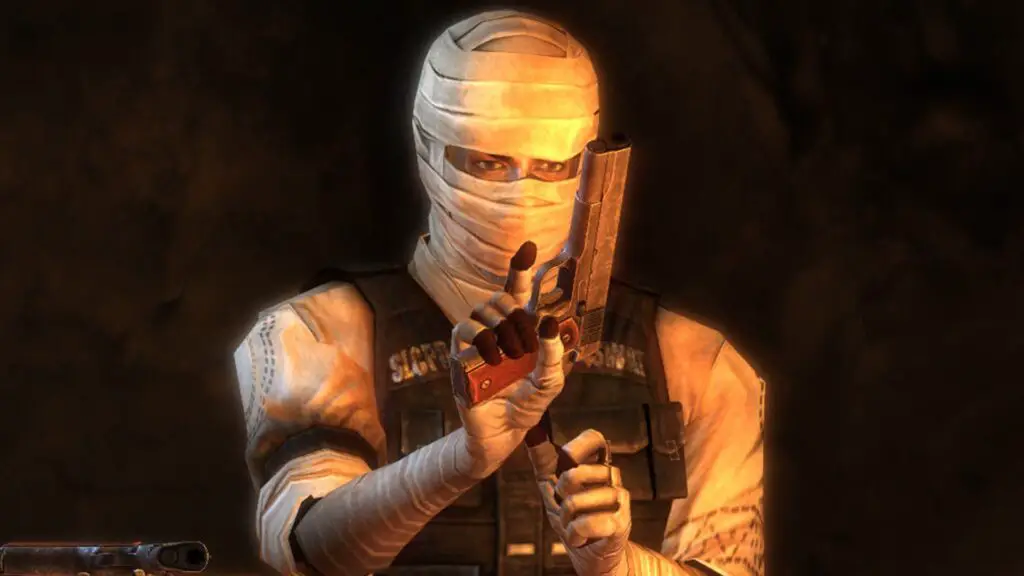
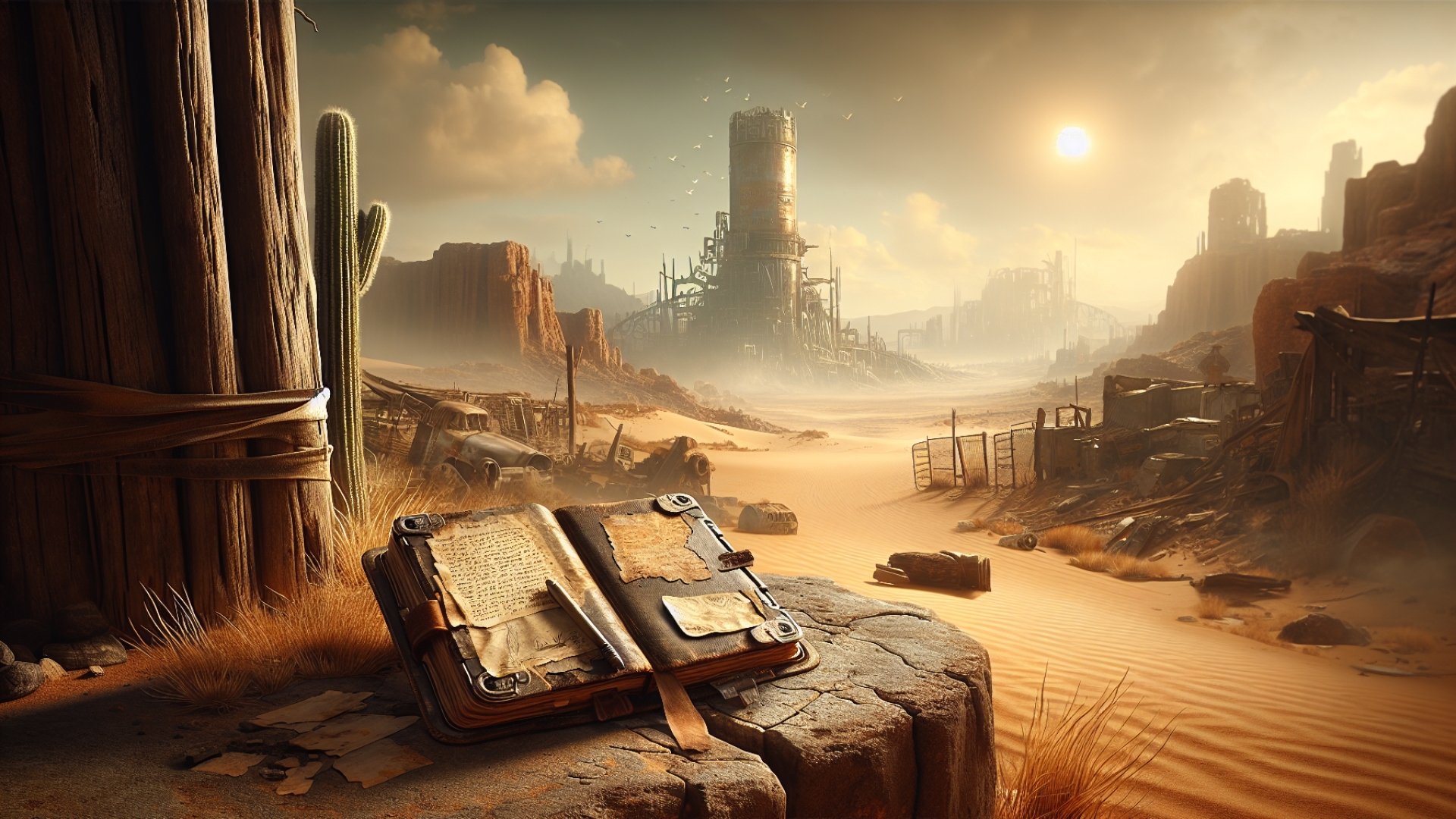
Through a collection of scattered journals across the treacherous landscape of Zion Canyon, Clark's autobiographical accounts unfold, chronicling the immediate aftermath of the bombs and his struggle for survival. His entries detail the heart-wrenching loss of his family, his solitary adventures as a seasoned survivalist, and his eventual encounters with others, including a group of children he mentors in his old age. Unbeknownst to him, he inadvertently lays the groundwork for the future tribal culture of the Sorrows, a community players meet in the present day, showcasing the enduring ripple effect of individual actions.
The Creative Process Behind The Survivalist's Story
Delving into the creative engine behind such an impactful narrative, we explored insights into the making of the Survivalist's story. It was a unique project for John Gonzalez, lead writer for Fallout: New Vegas, standing as one of his few contributions to the RPG's critically acclaimed DLCs before his departure from Obsidian in March 2011 to work on Middle-earth: Shadow of Mordor. Gonzalez himself holds this piece among his finest work.
As he recently shared with PC Gamer associate editor Ted Litchfield, Gonzalez remarked, "It's one of my favorite bits of content that I've written in a game."
The initial concept for the Survivalist came from New Vegas lead Josh Sawyer, who provided a brief outline. Gonzalez recounted, "This was somebody who was trained, had military training, and so was able to survive in these arduous circumstances." He further elaborated, "I don't remember if the brief had more than that. It may have. I think that, as I recall, I sort of worked out the story as I went."
For a genre often defined by its sprawling dialogue trees and player choices, the use of holotapes and journal entries presented Gonzalez with a rare creative outlet. "It was an opportunity... to write something in prose," he explained. Unlike dynamic characters such as Yes Man, crafted to directly interact with the player's decisions, Randall Clark's narrative existed independently. "The story of Randall Clark could be told in a vacuum, where nothing the player did could affect the outcome," Gonzalez noted, emphasizing its departure from typical RPG design. "It was an opportunity to, at a small scale, do traditional storytelling."
The Emotional Depth and Tragic Elements of The Survivalist's Tale
The profound emotional resonance of the Survivalist's saga is what truly elevates it, marking it as a masterclass in game narrative design.
"I just found it to be a very affecting, kind of tragic story," Gonzalez expressed. "It hits certain notes of adventure that are entertaining and fun, but the underlying guilt that he carries, and the loss of his family, and the attempts to start again, and how that goes wrong, and then this very sad but very beautiful ending of his life."
"I don't know where that stuff came from exactly, any more than any other writer really knows exactly where stuff comes," he humbly added.
Even years after the DLC's release, Gonzalez admits to revisiting his creation. "I've read over the stuff four or five times," he revealed, reflecting, "and I think to myself, 'Okay, yeah, that didn't suck. That was good.'"
One particular moment that remains vivid for Gonzalez, a scene he says he "discovered" while writing, involves a blind elderly couple who witnessed the nuclear explosion. "He shoots them through the head simultaneously," Gonzalez vividly recalled, describing the chilling practicality of the act.
He continued, "It's a very calculated act. It's a practical act, but he actually does it in a way that is intended to not have anyone experience shock or horror or loss, so that they die simultaneously, which also, in some way, echoes the loss that he's had." Gonzalez concluded with deep reflection: "He's trying to spare a couple the loss that he's experiencing, knowing that his family has just been killed. God, you're going to get me emotional if I talk about it."
Randall Clark's journey, though silent and solitary within the game, speaks volumes about the power of narrative to transcend gameplay mechanics and leave an indelible mark on players. It's a testament to the depth that interactive entertainment, particularly RPGs, can achieve—transforming simple environmental storytelling into a profound meditation on survival, loss, and the enduring human spirit. This kind of thoughtful narrative design exemplifies the innovative spirit we champion here at Digital Tech Explorer, inspiring both developers and tech enthusiasts alike to explore the boundless possibilities of digital storytelling.
Fallout: New Vegas Lead Writer Celebrates ‘Favorite’ Honest Hearts Story: The Survivalist’s Journal
·
by