
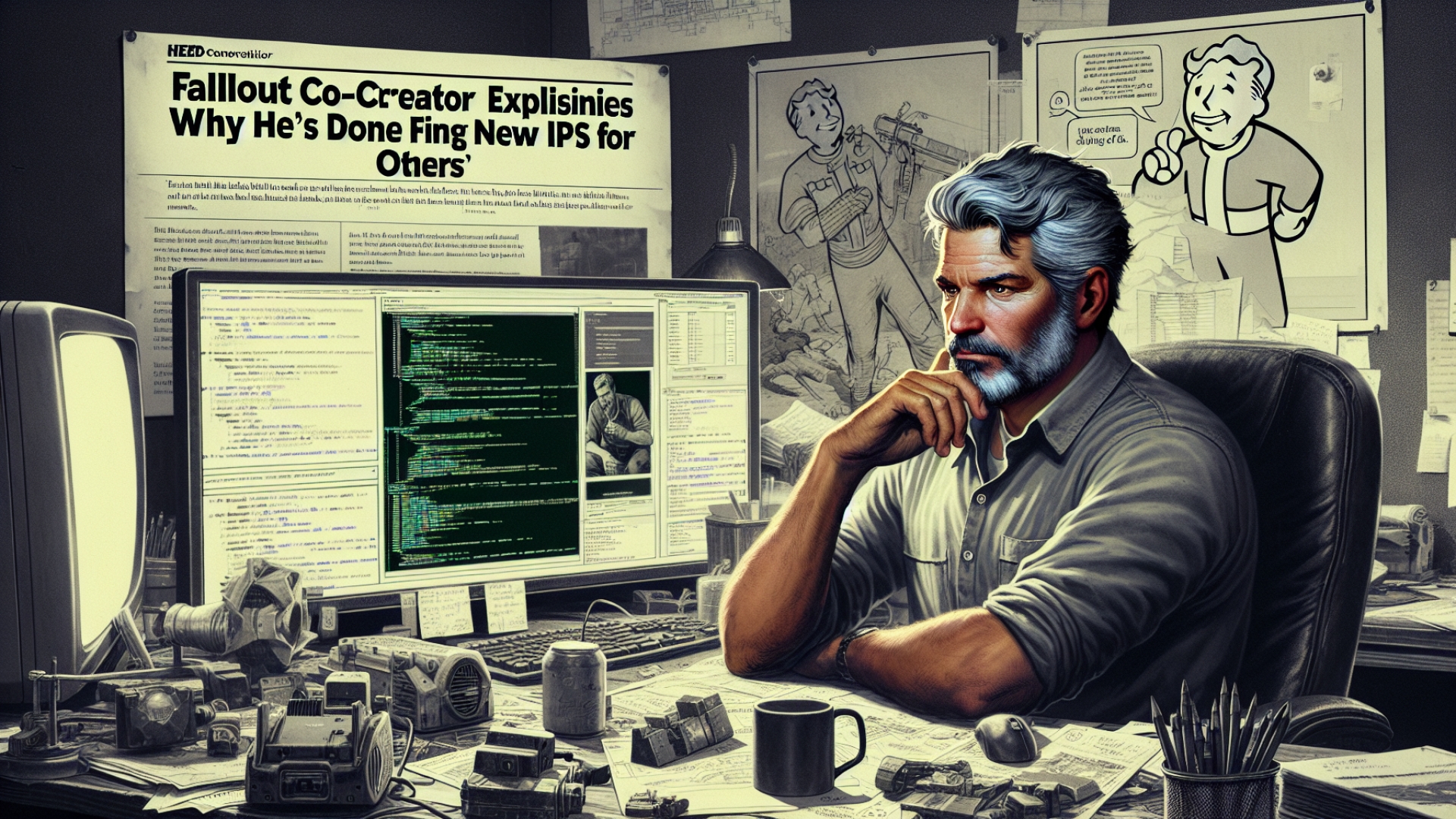
In the vast landscape of gaming, where nostalgia often fuels demand for sequels and reboots, a common question echoes among fans and developers alike: why don’t the original creators of beloved classics return to their iconic franchises or forge entirely new intellectual properties? This query frequently lands at the feet of legendary game designer Tim Cain, known for his pivotal role in the original Fallout, Arcanum: Of Steamworks and Magick Obscura, and Temple of Elemental Evil. As TechTalesLeo, your guide through the intricacies of digital innovation, we delve into Cain’s candid explanation from his recent YouTube discussion, shedding light on the complex realities faced by creators in today’s gaming industry.

While Cain has maintained a prolific career since the 90s, including co-founding Troika Games (known for Vampire: The Masquerade — Bloodlines) and contributing to numerous Obsidian Entertainment RPGs like The Outer Worlds, his direct involvement in creating new, groundbreaking original IPs or sequels to his foundational works has diminished. This shift isn’t due to a lack of passion, but rather a profound understanding of the economic and structural challenges within the industry.
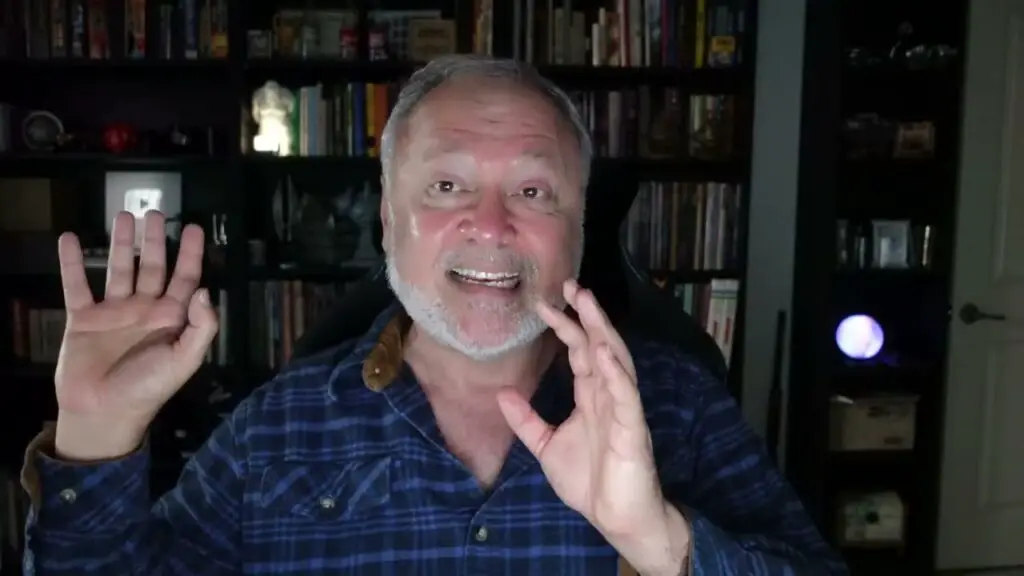
Tim Cain’s Perspective: Why New IP and Sequels Are Elusive
Cain frequently encounters the earnest question, “Why are you not making new IPs?” He revealed in his video, “Other people have made way more money off of IPs I’ve created than I’ve ever made. It’s not by a little. It’s by a lot… the IPs that I made years ago, people who just work on them in a team make more money than I got to even create the IP.” This stark reality underscores a significant disincentive for creators to pour their energy into developing new properties when the financial rewards for their initial vision are disproportionately small compared to the ongoing profits generated by their creations.
He concedes that revisiting a classic like Arcanum would be enjoyable, but the practical hurdles are immense. Beyond lacking the rights, he highlights the immense resources required to produce a new CRPG from scratch. Cain articulates not bitterness, but rather “exasperation with the question,” urging fans to “imagine what it must be like to be asked this question over and over” when the answer lies in fundamental industry economics.
The ‘Painter’ Metaphor: Art vs. Industry
To illustrate his point, Cain employs a powerful metaphor: envision himself as a painter. Initially content with earning a living creating art, he finds his paintings later sold for exorbitant sums, of which he receives only a fraction. Despite his desire to sell his art directly, the endeavor proves unsustainably expensive alone. Even with assistance, he observes, “it turns out that the guy who’s making the frames is making more money than me. I guess I can’t sell paintings.”
While acknowledging potential financial avenues, he confesses, “I’m not good at that. I’m a good painter.” More importantly, Cain expresses contentment with his current creative endeavors, describing them as “fun little doodles” in the painting analogy. He has “moved on,” noting that fans can easily access his older CRPGs for little cost today. “If you really care about what I want, I’m still making toys and I love them and they make me happy. I’m over making people really wealthy with my own creations,” Cain firmly stated. He challenges the notion of creating new work purely for external gratification: “Could you give me a reason other than a very selfish reason—like you want something new, or those other people want to make more money—that I should just not keep painting whatever I feel like?”
Advocating for Fairer Compensation in the Gaming Industry
Cain’s ultimate desire for a renewed interest in lead design roles hinges on a fundamental shift in industry compensation. He concludes his discussion by expressing a wish to see the financial rewards distributed more equitably: “When a painting sells, everybody makes money.”
He points to the movie industry, which has implemented similar profit-sharing models “for decades,” as a potential blueprint. This sentiment resonates deeply within the tech world, especially as reports highlight the precarious working conditions for many game developers—often facing mandatory overtime and a culture that can “chew them up and spit them out” without commensurate reward for their foundational creative efforts.
Despite his philosophical stance on IP creation, Cain remains actively involved in the industry. He recently rejoined Obsidian full-time, having previously consulted on The Outer Worlds 2. His current roles, which include programming and non-lead design on titles like Pillars of Eternity, South Park: The Stick of Truth, and Tyranny, suggest he is contributing his expertise without being in the “driver’s seat” of a major new IP. His insights serve as a crucial reminder for developers and tech enthusiasts alike: understanding the systemic challenges of the gaming industry is key to fostering an environment where innovation and fair compensation can truly thrive.