

The European Commission has launched a pivotal antitrust investigation into Google, delving into whether the tech giant is leveraging its market position to impose unfair terms on content creators and web publishers. This inquiry specifically scrutinizes Google’s practices in developing its advanced AI services, a topic of increasing importance for developers and tech enthusiasts alike, as we at Digital Tech Explorer regularly explore. The investigation targets two primary areas of concern.
Firstly, the investigation examines the potential use of videos uploaded to YouTube to train generative AI models. The Commission alleges that this is happening without adequate compensation for creators or their ability to refuse content usage. Specifically, the Commission states that “Content creators uploading videos on YouTube have an obligation to grant Google permission to use their data for different purposes, including for training generative AI models.” Furthermore, it highlights that “Google does not remunerate YouTube content creators for their content, nor does [it] allow them to upload their content on YouTube without allowing Google to use such data.” This suggests a lack of choice for creators, a core concern for digital rights.
Secondly, the Commission is scrutinizing the utilization of web publishers’ content—specifically webpages—to provide AI Overviews and AI Mode. The inquiry aims to determine the extent to which these Google AI features are generated using web publishers’ content without appropriate compensation or the crucial option for publishers to refuse without jeopardizing their access to Google Search.
For clarity, AI Mode functions as a traditional chatbot interface within Google Search, while AI Overviews are concise summaries displayed at the top of search results for certain queries. These overviews leverage information from web publishers and content creators to provide direct answers on Google’s platform, potentially eliminating the user’s need to visit the original source website.

Impact of Google’s AI Features on Content Publishers and Traffic
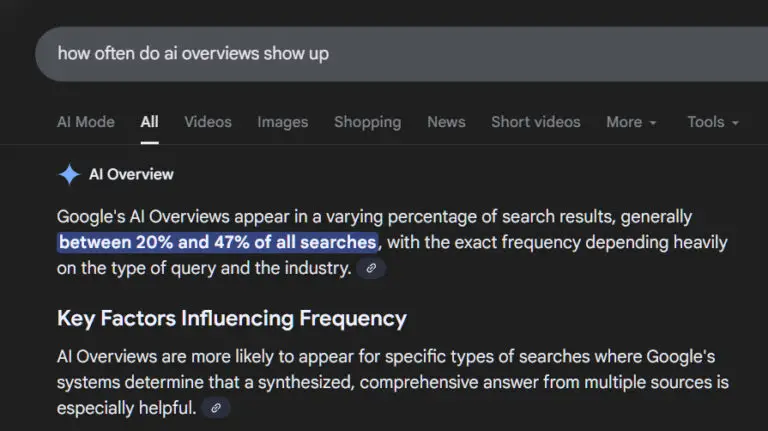
The rollout of Google’s generative AI features, especially AI Overviews, has sparked significant concerns regarding their impact on web traffic to publishers. This has been a critical discussion point among tech professionals and developers. A Pew Research report indicated that users who do not encounter an AI summary are nearly twice as likely to click on a traditional search result link compared to those who do. Further compounding these concerns, a study by Authoritas revealed that websites ranking highest for specific queries experienced an estimated 79% reduction in their traffic when an AI Overview was presented on the results page.
However, it is noted that AI Overviews are not universally present across all Google searches, with estimations suggesting their appearance in under 50% of results. Google itself disputes the findings of the Authoritas study, defending its AI Overviews and claiming that it has not observed a substantial aggregate decline in web traffic following their deployment. The core issue remains the potential for AI features to directly answer user queries, thereby reducing direct visits to the original source content.
Legal Framework: EU Copyright, TDM Exception, and Market Dominance Concerns
This antitrust case is poised to rekindle the intense debate among rightsholders, publishers, and big tech firms concerning artificial intelligence. Central to the legal framework is the EU copyright law, which includes an opt-out provision for text and data mining (TDM), known as the TDM Exception. This exception permits the use of copyrighted material for AI training, provided the rightsholder retains the right to opt out.
A recital on the EU Artificial Intelligence Act website clarifies that “Directive (EU) 2019/790 introduced exceptions and limitations allowing reproductions and extractions of works or other subject matter, for the purpose of text and data mining, under certain conditions.” Crucially, it empowers rightsholders to “reserve their rights over their works or other subject matter to prevent text and data mining.” This means that if an opt-out right is expressly reserved, providers of general-purpose AI models must obtain authorization from rightsholders for such data mining. The Commission’s investigation will specifically address instances where, it alleges, no such effective opt-out mechanism is available for content creators and publishers, directly challenging this established legal principle.
Beyond copyright, another crucial aspect of the investigation pertains to potential market dominance. The Commission is examining whether Google, by virtue of owning both YouTube and Google Search, gains an unfair advantage over rival AI firms. Teresa Ribera, executive vice president for clean, just, and competitive transition at the European Commission, emphasized, “AI is bringing remarkable innovation and many benefits for people and businesses across Europe, but this progress cannot come at the expense of the principles at the heart of our societies. This is why we are investigating whether Google may have imposed unfair terms and conditions on publishers and content creators, while placing rival AI models developers at a disadvantage, in breach of EU competition rules.”
Launched “as a matter of priority,” the investigation lacks a specific timeline for its conclusion. The European Commission, known for its rigorous enforcement, has a clear history of imposing substantial fines on major technology companies for breaches of EU competition rules. Notably, it has previously levied penalties against platforms like X, as well as tech giants such as Apple and Meta. Furthermore, Google itself faced a significant €2.4 billion fine in 2024 for abusing its dominant position with shopping comparison services, a case initiated back in 2009. These precedents underscore the potential impact of the current probe. As developers and tech enthusiasts, we at Digital Tech Explorer will continue to monitor this complex case, which is anticipated to be a lengthy process before a resolution is reached.