

In the high-stakes arena of competitive gaming, a clear performance divide has emerged: many of the best gaming CPUs are AMD chips, celebrated for their superior performance, particularly their X3D series. However, Intel’s substantial sponsorships in numerous esports tournaments have created a tangible conflict. This often mandates professional players to compete on Intel-powered rigs, sparking a growing chorus of complaints regarding performance bottlenecks and system instability. High-profile players across major titles like Counter Strike 2 and Fortnite have been vocal about the critical issues they’ve encountered, prompting a deeper look into this industry-wide challenge.
For instance, esteemed Counter Strike 2 professional, ropz, has publicly stated that the game truly performs optimally only on a processor like the AMD Ryzen 7 9800X3D—a level of hardware freedom not always available at sponsored events. The performance disparity is far from minor; players frequently report a delta exceeding 100 FPS when comparing Intel CPUs to AMD’s X3D chips in competitive scenarios. Similarly, Peterbot, ranked among the top Fortnite players globally, relies on a 9800X3D for his personal setup. He was reportedly astonished by the significant performance drop he experienced when required to use a system with an Intel Core i7 13700K during the critical FNCS Globals event.
Why CPU Performance Discrepancies Are Game-Changing for Pro Gamers
These assertions of “slowness” are not mere gripes; they represent a fundamental challenge in the professional esports landscape, where every single frame can dictate victory or defeat. Pro gamers meticulously optimize their game settings to become intentionally CPU-bound. They achieve this by running games at low resolution and with minimal graphics settings, which critically shifts the performance bottleneck away from the graphics card and directly onto the processor. The paramount objective is to attain exceptionally high frame rates for the smoothest possible gameplay and the lowest input lag imaginable. It is precisely within these CPU-intensive scenarios—the very conditions tailored for peak competitive play—that Intel’s offerings reportedly fall short, struggling to match the output of AMD X3D chips. This highlights a critical, performance-limiting disadvantage for professionals competing in Intel-sponsored tournaments.
Recurring Stability and Crashing Issues Plaguing Intel CPUs in Tournaments
Beyond raw performance, system stability has emerged as an equally pressing concern. At the FNCS Globals event, multiple critical systems running the Intel Core i7 13700K were reported to have crashed mid-tournament, even while operating at stock speeds. This problem isn’t an isolated incident. During the Esports World Cup, a streaming consultant detailed how three out of five observer machines, all equipped with the powerful Core i9 14900K, were experiencing crashes approximately every four hours.
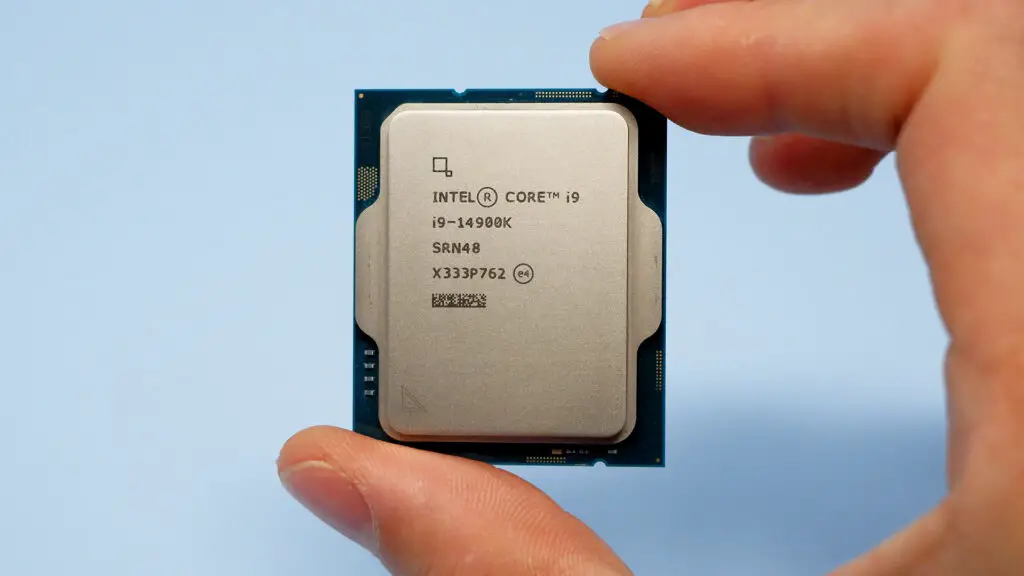
These alarming incidents are strongly linked to the widely publicized 13th and 14th Gen Intel voltage issue, a flaw capable of causing permanent chip degradation. While Intel eventually rolled out a microcode update intended to mitigate the root cause, any damage already inflicted upon the silicon is unfortunately irreversible. This leaves affected users grappling with degraded chips, and numerous reports highlight persistent RMA difficulties when seeking replacements, layering further frustration onto this ongoing stability crisis. As Digital Tech Explorer, we emphasize the importance of understanding such hardware vulnerabilities for making informed tech decisions.
The frustration among professional players is undeniably palpable. They find themselves frequently tethered to sponsor-provided Intel machines that are widely perceived as both underperforming in critical competitive scenarios and persistently unstable. While a casual player might barely register the nuanced performance differences at extremely high frame rates, for a professional gamer whose livelihood and career hinge on peak performance, these issues represent a severe handicap. Ultimately, these high-profile performance and stability failures—occurring conspicuously at Intel’s own sponsored events—are generating a significant public relations challenge. They cast a shadow of negative publicity and actively undermine the company’s vital reputation within the influential global esports community. For tech enthusiasts and professionals following the industry, understanding these dynamics is crucial for staying ahead of the curve, a core tenet of Digital Tech Explorer’s mission.