
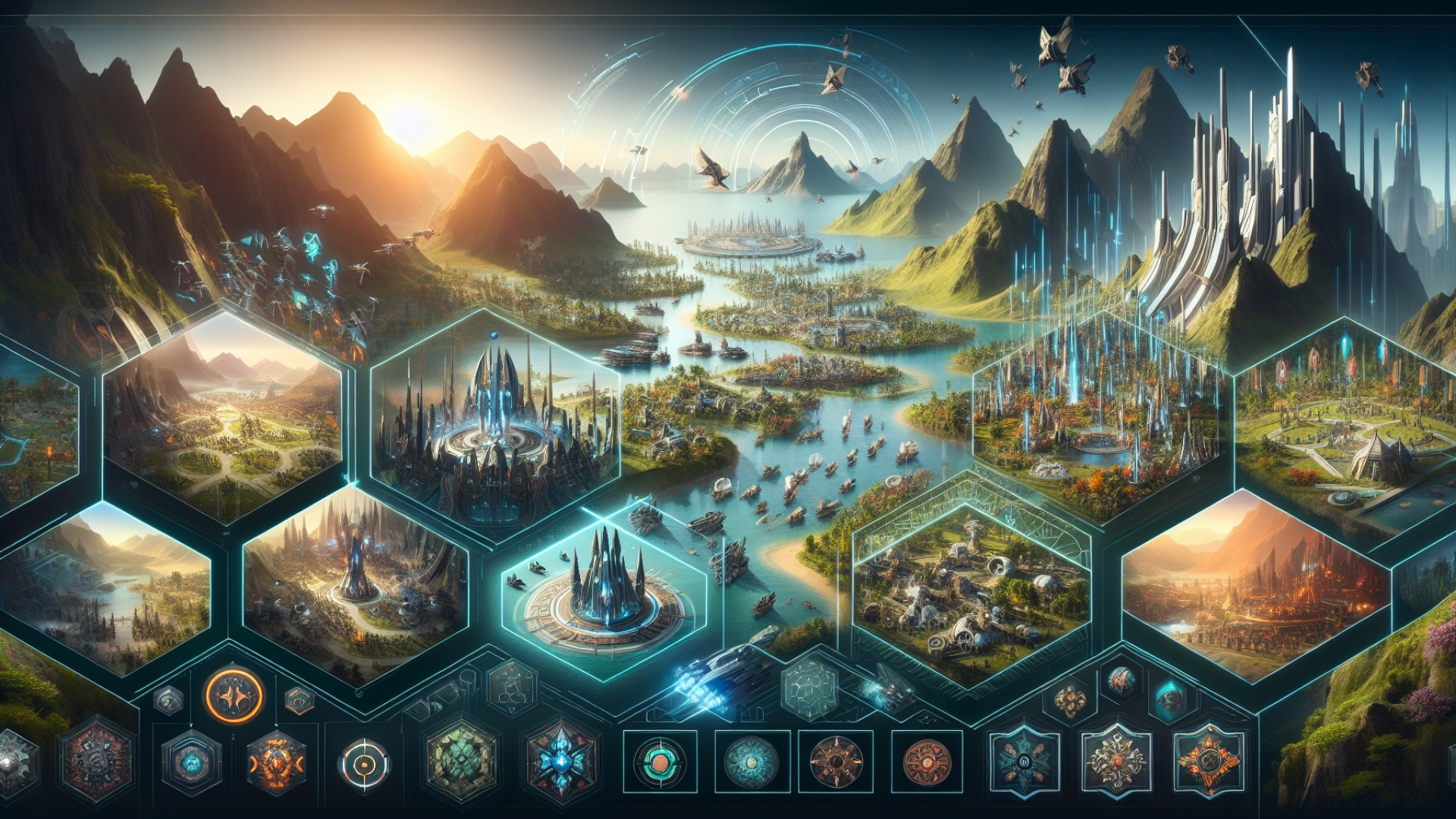
Such is the life of a ruler on Saiadha, the water-logged setting of Endless Legend 2. This bizarre, constantly shifting planet has stories to tell: of lost spacefarers, of secrets buried beneath the planet, of species fleeing extinction and fighting for dominance. You’ll face gods, commit atrocities in the name of survival, and cover the map in gorgeous, city-shaped dioramas. These narratives and unpleasant decisions are built on top of systems both novel and compelling—an elaborate lattice of interconnected faction traits, technologies both fantastical and futuristic, and weird twists on genre mainstays. This is not the comfy familiarity you might expect from every new Civilization; it is alien, odd, and undeniably something fresh.
Where the original Endless Legend took inspiration from Firaxis’s Alpha Centauri, generously weaving storytelling and 4X mechanics, Endless Legend 2 slams its foot on the accelerator. Its campaigns are brimming with dialogue, quests, and unique curiosities, showcasing novelties so deeply woven into its fabric that they redefine the conventional 4X experience.
Endless Asymmetry: Distinct Factions and Their Gameplay Impact
Each of the factions in Endless Legend 2 is utterly distinct, and their eccentricities inform every move you’ll make as you lead them, fundamentally changing how you develop your population, manage your economy, and conduct diplomacy. With the insectoid Necrophage, this presents itself as an insatiable lust for conflict. There are fewer repercussions for their constant warring with other factions, and they can strike with terrifying alacrity, using burrows to traverse continents, assaulting your cities and armies without warning.
A personal favorite, offering a deeper dive into the game’s innovative design, is the Last Lords, successors to the Broken Lords from the original game. They are essentially ghosts bound in armor, obsessed with chivalry and honor, even as they leech life from their mortal servants. This friction is also reflected in their unique traits. They do not consume food like the other factions, instead relying on Dust, the Endless series’ primary currency, to grow their population. While the Last Lords are the easiest faction to turn into an economic powerhouse, they also have the most expenses, and with that comes a relentless drive to expand, to assimilate, to consume.
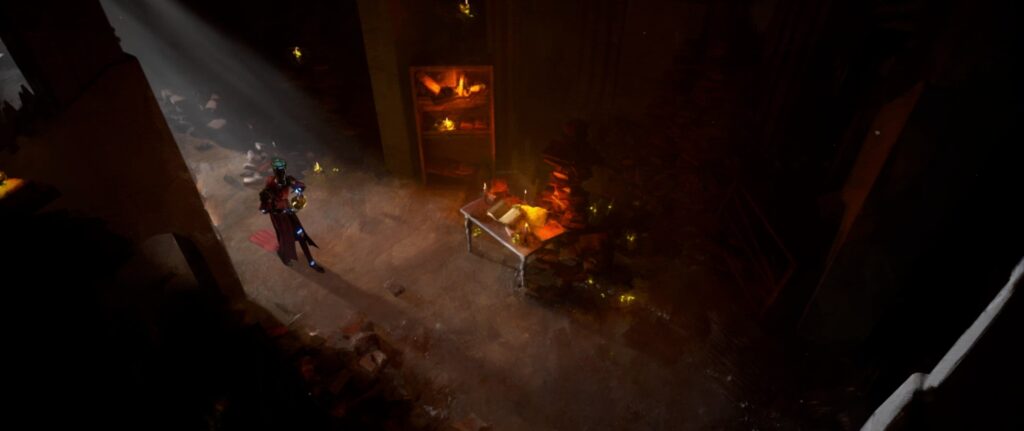
The planet is shared with an abundance of minor faction tribes—plant-like gardeners who kill for compost, fallen fascist empires, chatty rocks—who can be pacified and then assimilated, netting you bonuses, new leaders, and unique units. How you interact with these minor factions differs depending on who you are playing. As the Last Lords, you can erect estates within their villages, leaning into feudal themes by generating income from tithes. This system also feeds into the faction’s darker nature, working with their ability to sacrifice alien pops to resurrect more valuable Lords. Always, the game’s mechanics, narrative components, and faction personas are in lockstep. For all of its vibrancy and experimental twists, this is a 4X game that’s never anything less than cohesive.
Wanderlust: Dynamic Exploration and Expansion
Endless Legend 2 embraces all of the 4X pillars, but it is particularly interested in the first two: explore and expand. Amplitude has given them new life, making the work of uncovering the map and spreading across it more riveting than any other 4X that’s come before. The exploration phase is almost always the most compelling part of any 4X game, but here, the map grows and changes throughout a campaign.
We’ve got Tidefalls to thank for this. Saiadha is a wet world that begins as a mostly water planet but transforms over the course of a playthrough, as Tidefall events pull back the oceans, revealing new lands, resources, and potential discoveries. This kinetic energy profoundly impacts the game’s pace, ensuring a dynamic flow where new expansion opportunities are always on the horizon. Mighty, late-game empires find themselves constantly rushing towards newly revealed regions, squabbling over exotic resources.
With so much room to spread out, Amplitude has smartly designed a settlement system that offers an impressive amount of flexibility. After you’ve placed your first settlement, you expand by claiming discrete pieces of territory with camps. By spending more influence, you have two options: turn this camp into a city, or connect it to an existing one. The latter option is a clever way to let players spread across the map even if they are building tall rather than wide, as connected territories share the same building queue, pops, and economy as the city to which they are attached.
Modern Warfare: Evolved Combat System
On the subject of your eager little armies, Endless Legend 2 has made some significant changes, doing away with the brisk, surprisingly hands-off battles of its predecessor. The new approach draws from Humankind’s combat, but improves upon it. You have full control over your units, many of whom come with passive and active abilities, and in the case of heroes this number can grow thanks to upgrades and equipment, in a nod to RPGs.
When fights kick off, the game creates a battlefield out of a specific section of the campaign map, complete with all of its terrain features, which play a major role in how you move and take advantage of the environment. What makes this combat so much stronger than Amplitude’s take on Civ is the unit design. Instead of perfunctory units, you’ve got all sorts of physical and magical attacks, as well as items and consumables that can quickly change the direction of a skirmish. Despite these added complexities, battles are designed to be brisk and engaging. You can speed up animations, and after a handful of turns, the skirmish concludes, ensuring the proceedings never overstay their welcome. It’s a solid improvement that you can auto-resolve if it’s not your bag, bolstered by units and heroes that have character and utility in spades.
Even in its in-development state, Endless Legend 2 is an incredible 4X, almost making me forget how conservative Humankind felt. The AI could be more active, Amplitude is still trying to figure out major features like diplomacy, and there’s one gap in the faction roster, so the game still has plenty of room to grow and improve over its early access phase. But this version still lets you play fully-formed campaigns with wildly creative factions and a ridiculous bounty of clever ideas. It’s been a decade since the first Endless Legend launched, but there’s no denying it: Amplitude’s still got it, continuing to help developers and tech enthusiasts stay ahead of trends and make informed decisions in the gaming world.