
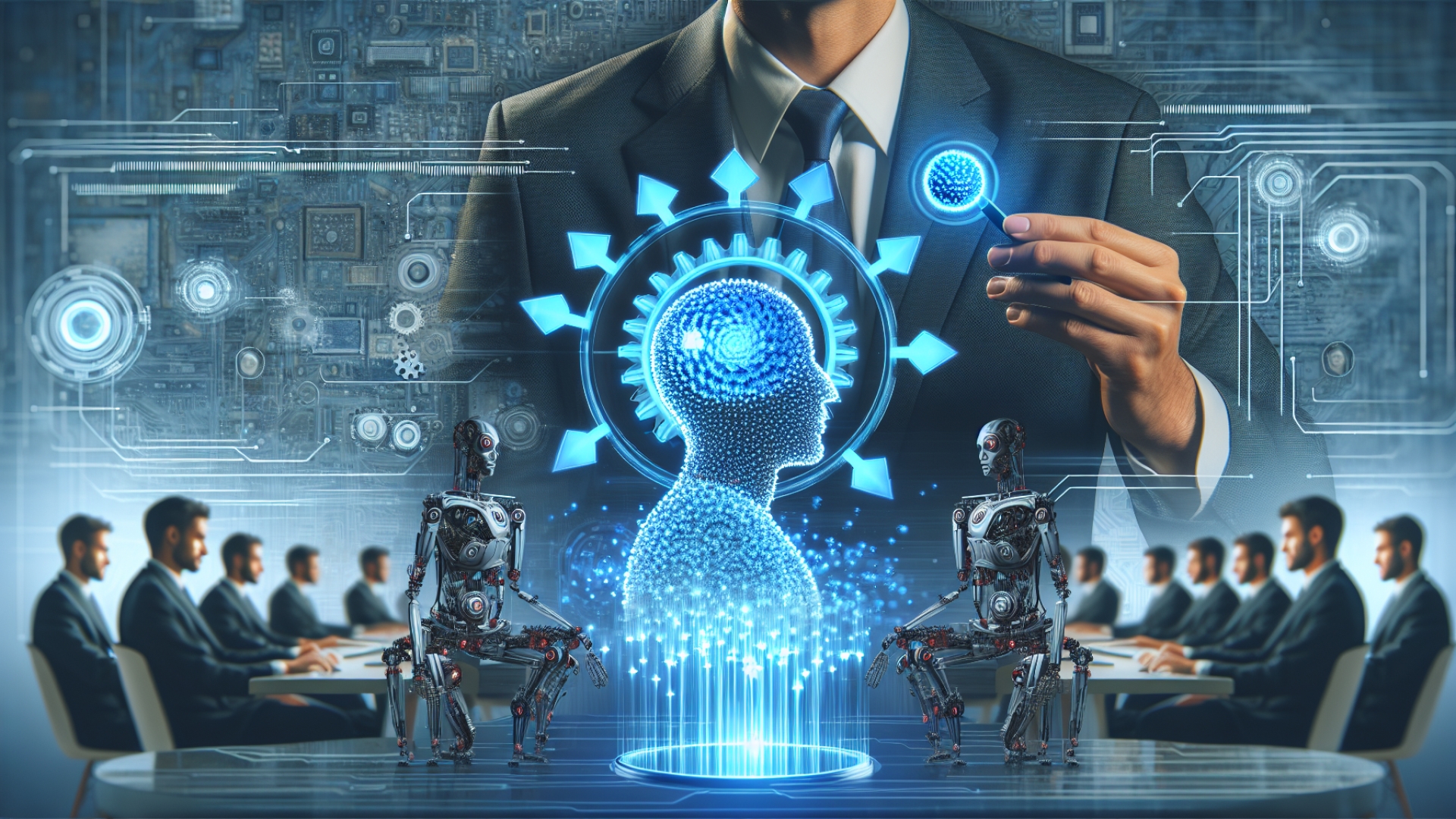
In the ever-evolving landscape of artificial intelligence, a groundbreaking development is capturing the attention of tech titans and gaming enthusiasts alike: the emergence of world models. These sophisticated AI systems are designed to learn and simulate real-world phenomena, holding the immense potential to enable the seamless creation of hyper-realistic and dynamically evolving game environments. This forward-thinking approach appears to be a major strategic priority for Elon Musk’s xAI, which has been aggressively recruiting top specialists from Nvidia to advance these cutting-edge AI models.
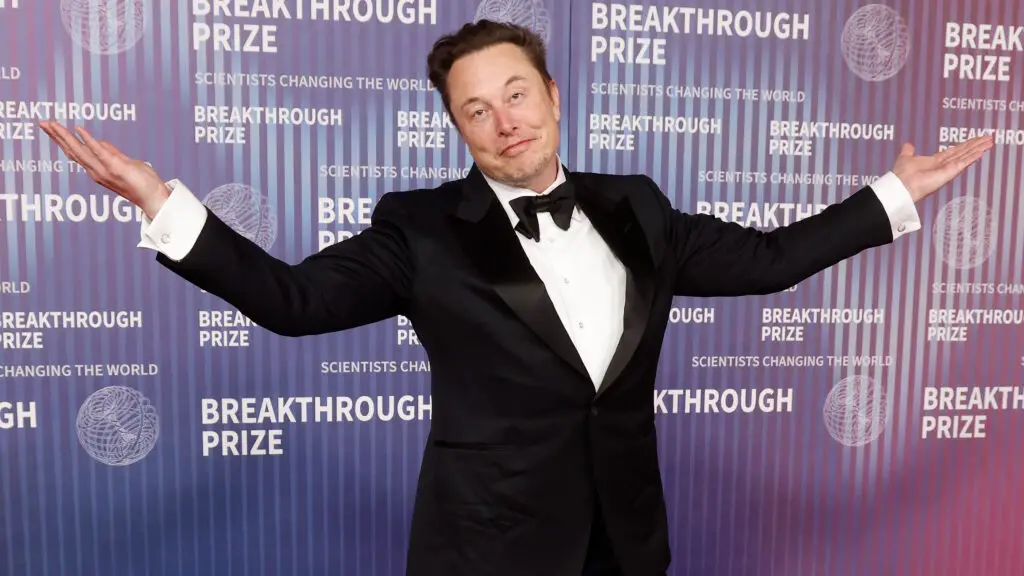
According to insights from the Financial Times, citing sources intimately familiar with the company’s ambitious plans, xAI has successfully brought on board Zeeshan Patel and Ethan He. Both individuals bring extensive, specialized experience with world models, and their expertise is reportedly pivotal to xAI’s mission to craft incredibly detailed and interactive game environments.
This strategic talent acquisition aligns perfectly with Musk’s bold previous statements, where he declared, “The xAI game studio will release a great AI-generated game before the end of next year.” Such a pronouncement underscores the company’s aggressive timeline and its belief in the transformative power of these AI paradigms.
While these advanced ‘world models’ promise an era of bespoke and custom game scenes, with tantalizing hints of their capabilities already showcased in systems like Google DeepMind’s Genie 3 (which enables interaction with chosen real-world environments to craft impossible scenes), the ultimate quality and narrative depth of fully AI-made games remain a significant subject of debate within the tech community. Many seasoned developers and players at Digital Tech Explorer believe that a meticulously human-crafted game, driven by a singular, clear artistic vision, often delivers a more profoundly engaging and superior experience.

Broader Applications: Robotics and Autonomous Vehicles
Beyond the captivating realm of gaming, xAI’s innovative world models are poised to have far-reaching applications across various high-tech sectors. Industry sources suggest these sophisticated models could be seamlessly integrated into advanced AI systems for robots. This expansion is particularly logical and impactful within the domain of autonomous vehicles, an area where virtual simulation and real-world understanding are paramount.
Interestingly, Nvidia – the very company from which xAI’s new hires originated – actively spearheads its own advanced simulation initiative, Nvidia Cosmos. This powerful platform is specifically engineered to “accelerate physical AI development for autonomous vehicles (AVs), robots, and video analytics AI agents.” Given this parallel, a highly plausible and significant application for xAI’s world models could be in providing robust support for Musk’s ambitious Robotaxi initiative. By offering a safe, highly controlled, and endlessly adaptable virtual environment, these models could allow AV software to learn, iterate, and develop without the inherent risks and complexities of real-world testing.
The strategic maneuvers by xAI, coupled with the proven capabilities of world models, signal a pivotal moment in AI development. As Digital Tech Explorer, we remain committed to tracking these fascinating innovations, helping developers and tech enthusiasts alike understand how these advancements are shaping our digital future. Whether for immersive gaming experiences or safer autonomous transport, the evolution of AI world models promises a future ripe with technological possibility. Stay tuned for more insights from TechTalesLeo as this exciting field continues to unfold.