
As TechTalesLeo, writing for Digital Tech Explorer, I’m always searching for those unsung heroes of gaming history. Among the PC games I’ve explored over the past three decades, Drakan: Order of the Flame stands out as a truly undeservedly unknown and underrated gem. If you’ve encountered it, you’re already someone with an exceptional appreciation for deep-cut PC gaming history. If not, join us on Digital Tech Explorer as we journey back to uncover a proper PC gaming diamond, currently lying dormant in the sands of time.
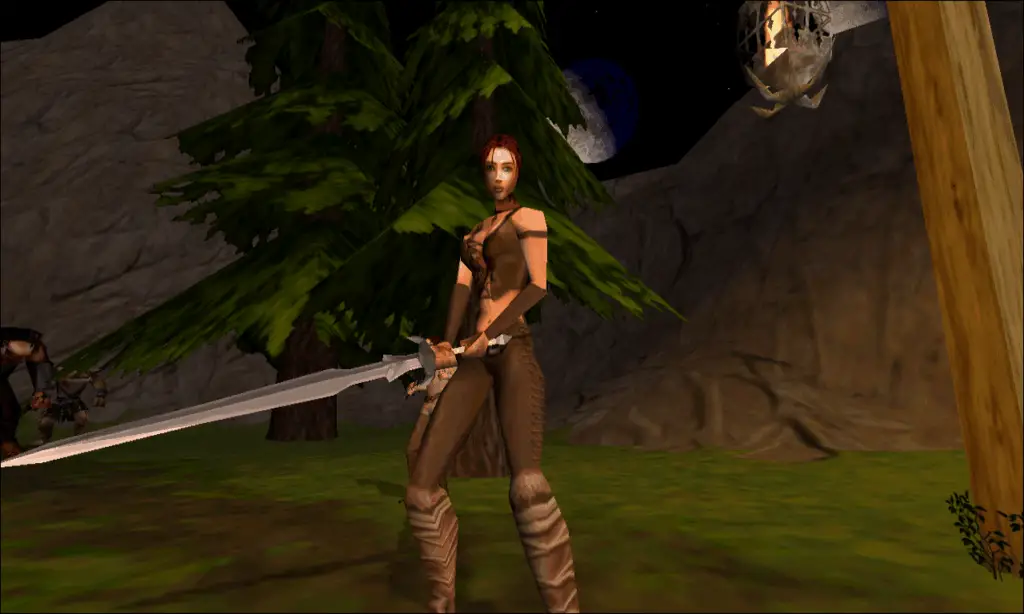
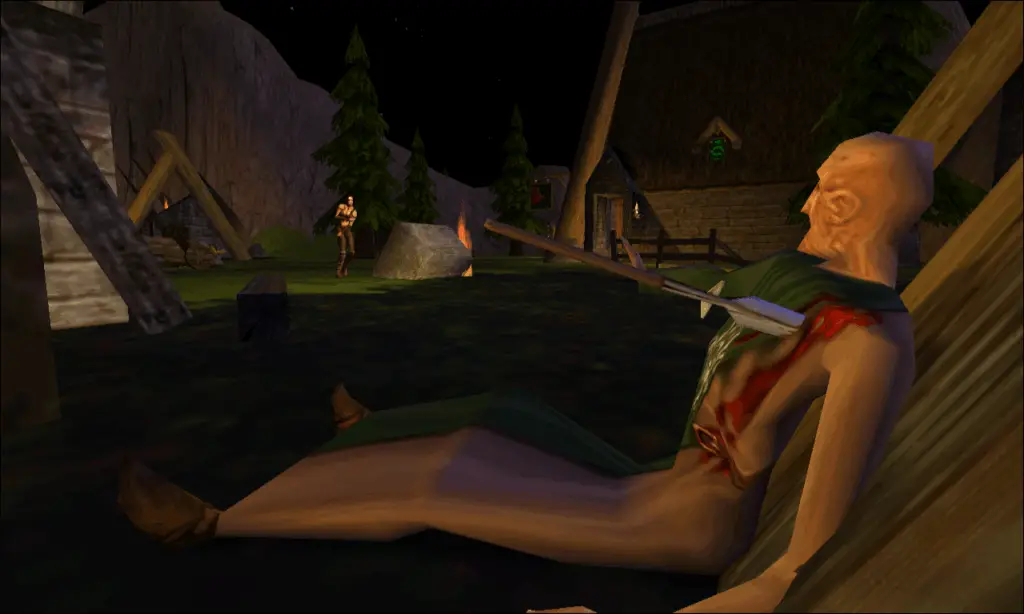
You step into the boots of Rynn, a slender and agile warrior. You’ve barely survived your village being sacked, raided, and burned to the ground by the orcish forces of Navaros, a fallen evil sorcerer set on resurrection and world domination. Everyone you knew or loved in the village is dead, slaughtered by the Wartok horde. Fallen men and women lie broken within burning buildings, charred and wrecked, while crop plantations turn to ashes at your feet.
There is one survivor, though: your brother Delon, kidnapped by Navaros’ minions and whisked away to act as the vessel for the sorcerer’s return. As you stumble to your feet and grab your sword, his rescue becomes the singular purpose in your ravaged mind.
Crucible of Innovation
Drakan: Order of the Flame, at its heart an action-adventure slasher, embodies the pioneering spirit of late 1990s and early 2000s PC gaming—an era where digital innovation felt like the Wild West. This was a time when big-budget titles, much like many indie darlings today, weren’t afraid to take audacious swings at genre conventions and gameplay mechanics. We saw this in groundbreaking titles such as Peter Molyneux’s Black & White (2001), Will Wright’s The Sims (2000), or Shiny Entertainment’s cult classic Sacrifice (2000). These were games, alongside titans like Deus Ex (2000), where ‘AAA budget’ and ‘mad new ideas’ went hand-in-hand. This contrasts sharply with much of today’s AAA landscape, which often leans towards iterative content. Today, the most groundbreaking gameplay mechanics and emerging technology trends tend to emerge from the vibrant indie scene, exemplified by titles like Viewfinder, Balatro, Abiotic Factor, Animal Well, Pacific Drive, and Deep Rock Galactic Survivor, where small teams are free to experiment. Drakan, released exclusively on PC in 1999, was undeniably a product of that bolder, more experimental era.
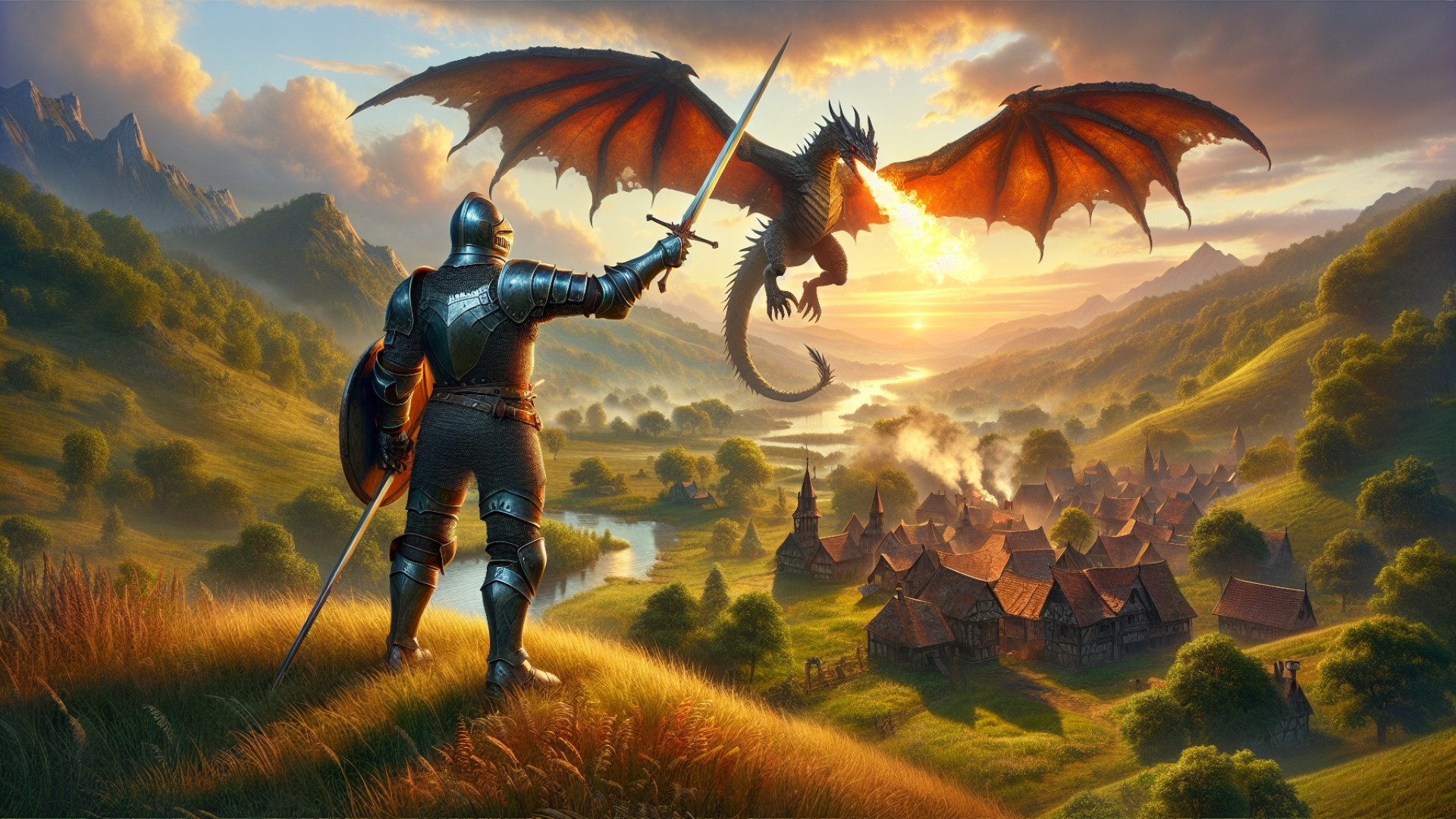
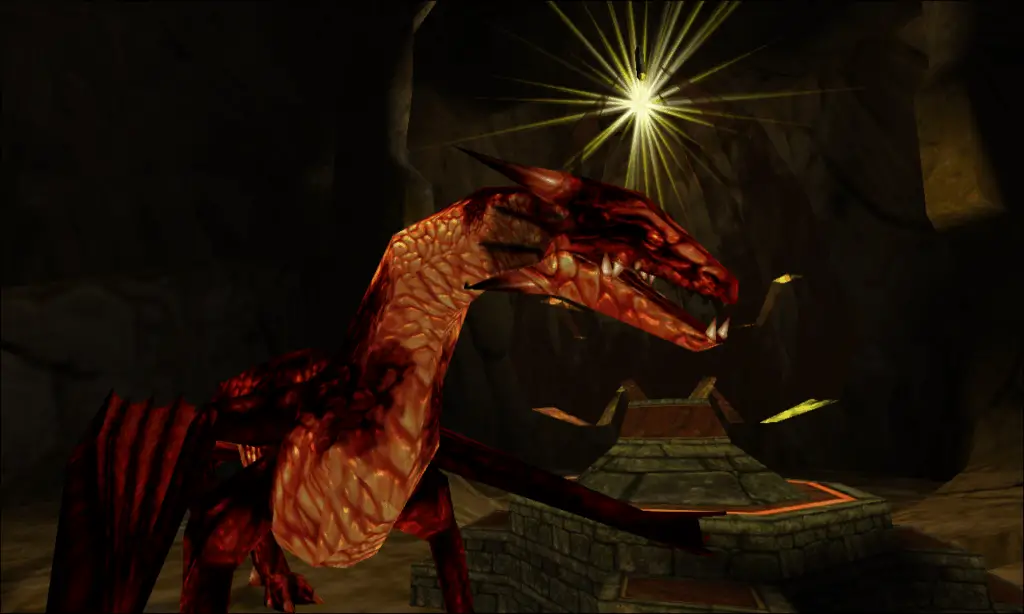
While you step into the shoes of Rynn, a formidable warrior who might evoke memories of Lara Croft and the early (and clearly influential) Tomb Raider games, any expectation of a safe third-person action-adventure genre experience quickly dissipates. This is especially true when you encounter Arokh, the majestic fire-breathing dragon with whom Rynn forms an unbreakable bond, much like in the classic movie Dragonheart. What sets Drakan apart is the revolutionary ability to not only bond with Arokh but to fly on his back, waging war throughout a vast world. Indeed, the recent Doom: The Dark Ages trailer showcasing dragon combat was, in a way, anticipated by Drakan’s innovations 26 years prior.
Heart of a Dragon, Soul of a Warrior
What remains most remarkable, even today, is Drakan’s seamless dragon-riding mechanics, especially considering this game was developed over a quarter of a century ago. Rynn can call and mount Arokh at will, leveraging his fireball and fire breath attacks to incinerate enemies, both on the ground and in the sky. Rival dragons must be duelled in exhilarating aerial combat. Following this, Rynn can fly to a specific part of Drakan’s expansive levels to dismount Arokh and proceed to hack, slash, and explore environs on foot.
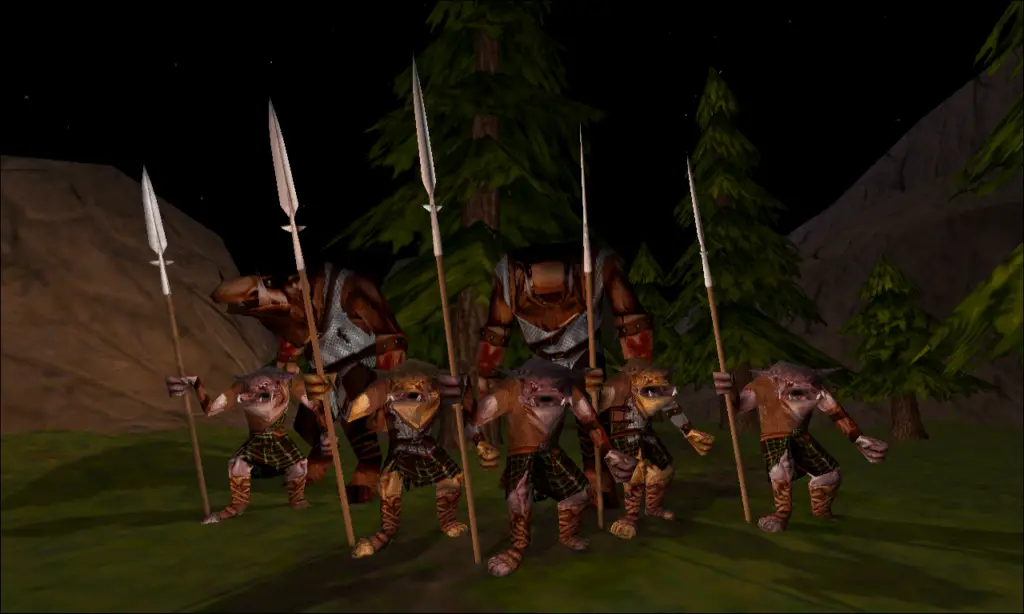
The result is a captivating gameplay loop where Rynn fluidly transitions from fighting beasts on the ground—in caves, temples, crypts, and more—to soaring through the skies on Arokh’s back. Together, they swoop, dive, and outflank enemies, bringing intense heat to foes and structures alike. Wartok orcs, spiders, giants, goblins, zombies, scavengers, succubi, and more all pose deadly threats on foot to Rynn, but under the intense heat of Arokh’s dragon breath, they are swiftly eradicated. This synergy makes it particularly satisfying to lure enemies into the open or to an interior’s entrance, only to have Arokh torch them (he will fight on his own, too, if you are not mounted). After all, your lifeforce is bonded; if he dies, you die, and vice-versa, creating a profound need to look out for each other.
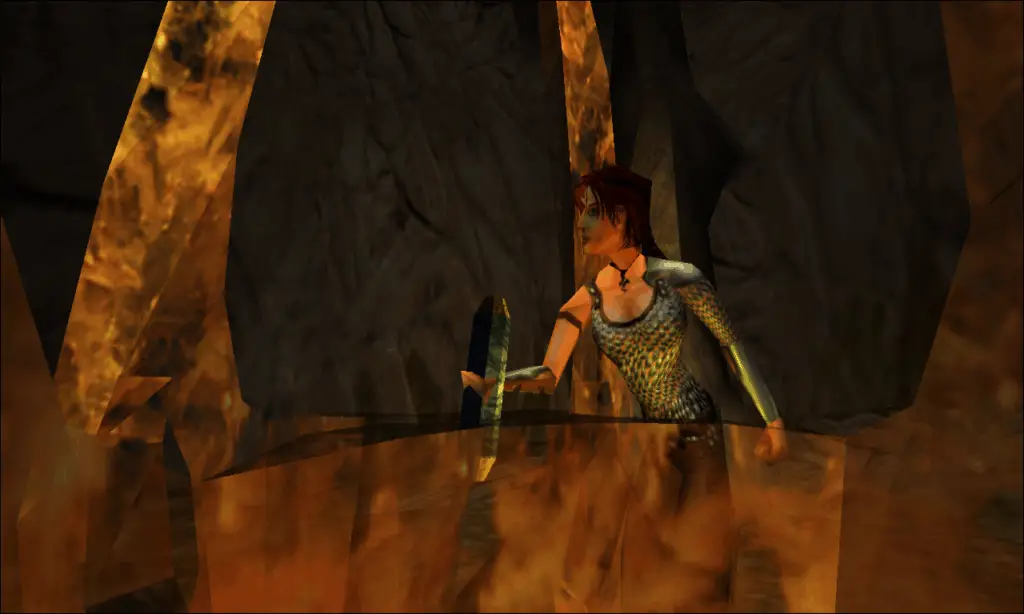
The relationship between Rynn and Arokh, skillfully developed through cinematics and in-game vocals, truly immerses the player. Both Rynn and Arokh are fully voiced, and the production values were high for the time, even if the voice acting quality (especially Rynn’s) now feels dated by modern standards. Nevertheless, the frequent banter and back-and-forth between these two central characters evoke a feeling akin to the bond shared by Geralt and Roach in The Witcher. That Rynn and Arokh are irrevocably joined in their mission is never in doubt, and this enduring connection on replay after all these years is a testament to the excellent work Surreal Software achieved.
The dragon-riding action is undeniably a cornerstone of Drakan’s appeal, deeply woven into its lore and central to its gameplay. The combat mechanics while mounted on Arokh clearly draw inspiration from the Panzer Dragoon series (1995-1998), though Drakan offered a far less restrictive scope. On Arokh’s back, combat involves strategic strafing, outflanking foes, and unleashing either long-range fireball attacks or devastating close-quarters fire breath. The parallels in dynamic aerial combat, even with a modern title like Doom: The Dark Ages, highlight how truly ahead of its time Drakan was in this specific mechanic. This is where the game truly showcases its innovative prowess.
Gameplay off Arokh, while perfectly playable still today, feels distinctly reminiscent of Tomb Raider but with a greater focus on up-close hack and slash combat. Rynn can backflip, dive into bodies of water, nimbly side-dodge, forward roll, and more, with a moveset that feels incredibly indebted to Miss Croft. In terms of attack and defense, Rynn can find and equip armor as well as a wide range of shiny blades, axes, and magic items, including health and invisibility potions. She manages these from a well-designed inventory system, which, when activated, sees Rynn turn towards the player and stand ready while items are selected in a bottom-center mounted overlay, much like in an RPG. This charming detail is a clear sign that this is a true PC game at heart.
When Rynn isn’t engaging in combat on foot, she’s navigating environments by finding keys, flicking switches, or solving basic puzzles, some of which incorporate simple physics. This is arguably when Drakan feels most dated. However, the occasional frustration of not immediately finding a specific key doesn’t significantly detract from enjoying its engaging on-foot and dragon-mounted combat and compelling narrative. Drakan remains, all these years later, a cinematic fantasy adventure with genuine heart and, in my opinion, a bona fide PC classic that deserves significant re-appraisal for its impact on PC gaming and digital innovation.
As TechTalesLeo, writing for Digital Tech Explorer, it’s clear that Drakan: Order of the Flame is a title that truly broke the mold. While we might keep our fingers crossed for a long-overdue remaster, for the tech-savvy explorers and developers among us, this PC exclusive gem offers a fantastic opportunity for tinkering. With a bit of community effort in patches and hacks, you can get it running on modern systems, including Windows 10 and 11, and experience a piece of gaming history that truly pushed boundaries. This aligns perfectly with Digital Tech Explorer’s commitment to empowering tech enthusiasts to explore, understand, and engage with technology, past and present.