
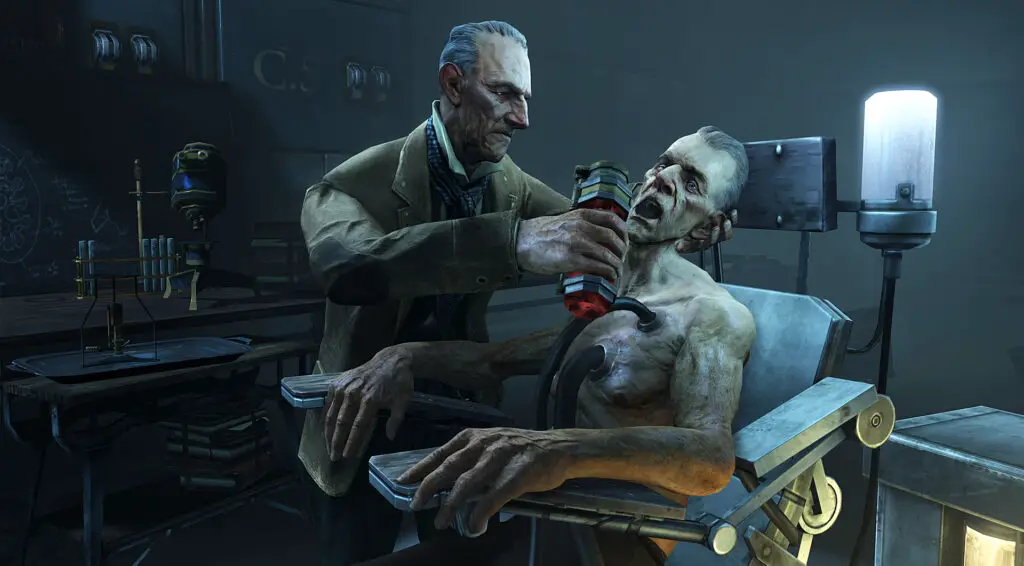
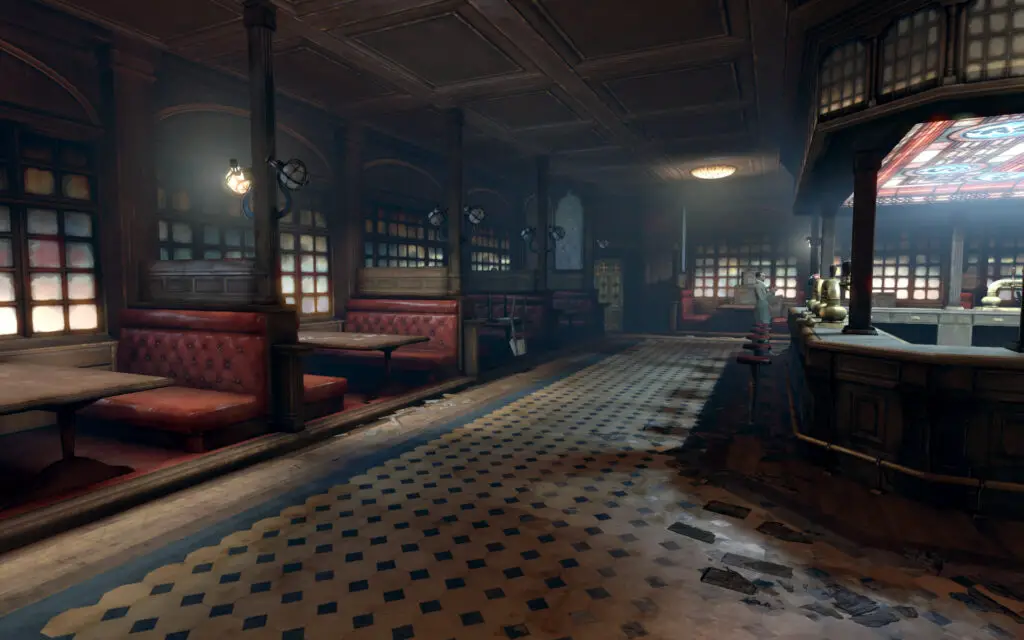
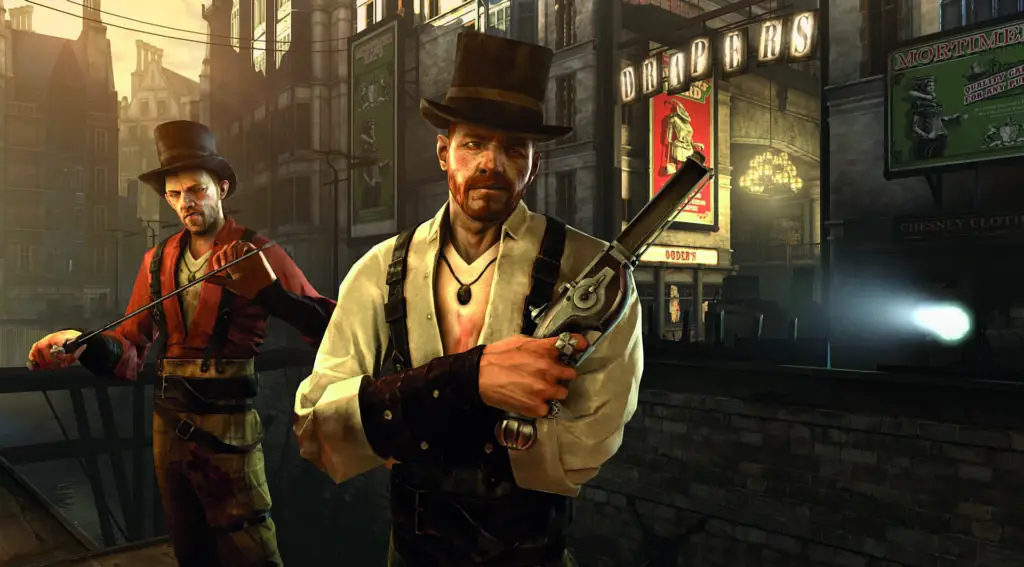
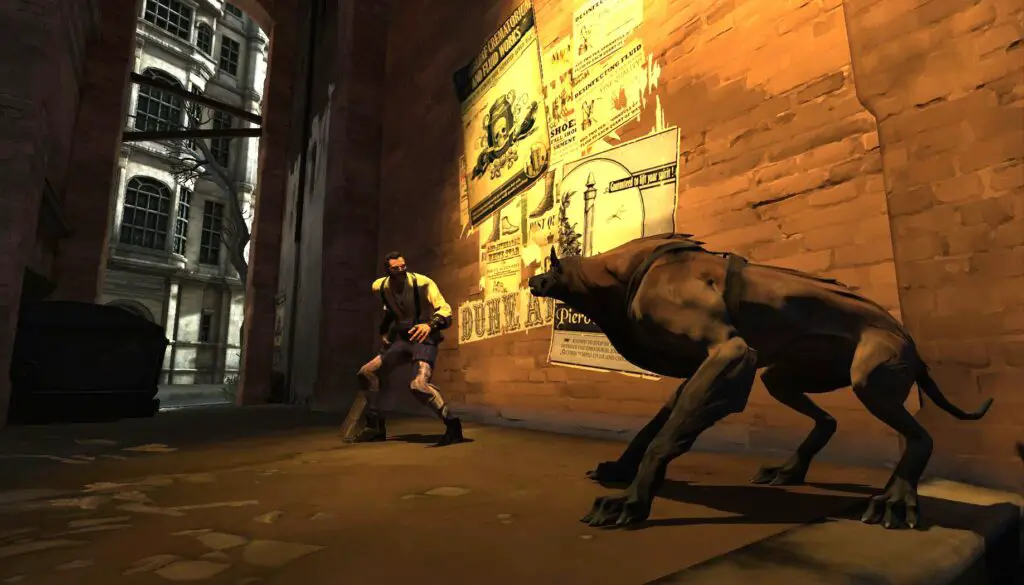
In the richly atmospheric world of Dunwall, the scratchy, echoey playback of audiographs captures the private thoughts and final words of its citizens, from high-ranking lords to the lowliest gangsters. These rudimentary recording devices are a key part of the city’s inner life, elevating its characters from simple NPCs to haunting presences, a masterstroke in immersive narrative design. The visionary behind this iconic narrative device—often referred to as an audiolog in other genre-defining titles—is Austin Grossman, a pivotal writer for the acclaimed Dishonored series. Grossman’s distinguished background in immersive sim development, including foundational work on genre cornerstones like the original System Shock and the influential Deus Ex, uniquely equipped him to construct the intricate lore and emotional depth of Dunwall.
Austin Grossman’s Initial Skepticism and Role
Despite his pedigree, Austin Grossman was initially skeptical about Dishonored‘s eclectic world elements. He perceived the combination of whales, the enigmatic Outsider, magic, and pervasive darkness as a “mess,” questioning how it could possibly cohere into a believable world. His role on the project became channeling the “really, really strong” creative vision of co-creative director Harvey Smith. To match the game’s grim atmosphere, Grossman adopted a ‘Cormac McCarthy‘ writing style, embracing the opportunity to write everything “as dark as possible” and fully commit to the game’s unique tone.
Collaborative World-Building and Tonal Inspirations
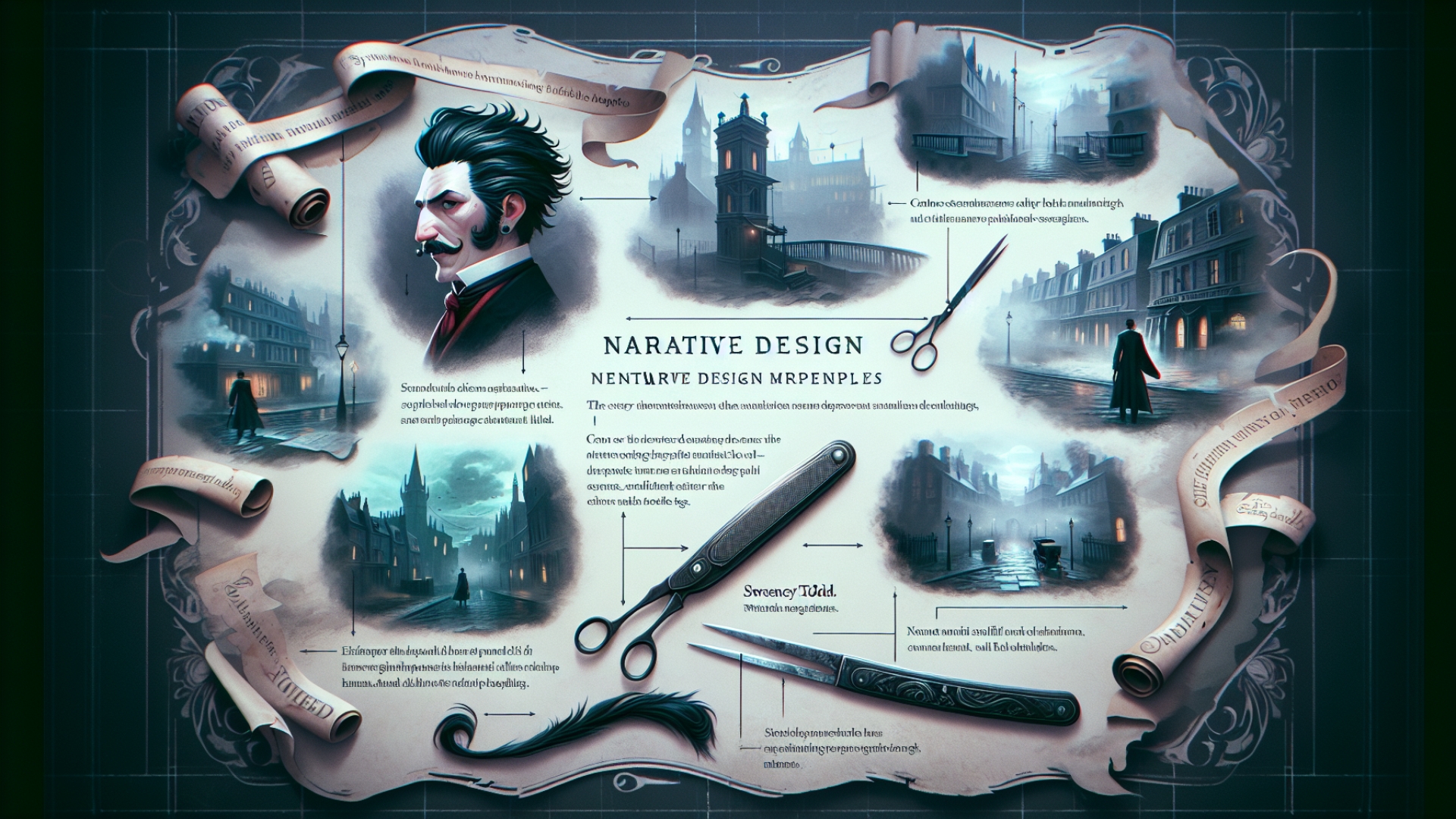
The writing team was further strengthened by the addition of Terri Brosius, renowned for her voice work as SHODAN in System Shock and her writing contributions to the tonally distinct Thief series. The team’s creative process included an internal debate at Arkane regarding how to categorize Dishonored‘s setting, with a strong pushback against labels like ‘steampunk.’ For Grossman, a personal tonal lodestar emerged from an unlikely source: the Stephen Sondheim musical ‘Sweeney Todd.’ He found its dark, Victorian atmosphere and macabre black humor to be a perfect fit for the game’s world, providing a guiding inspiration for the narrative’s feel.
Crafting Unique Narrative Devices: The Outsider and The Heart
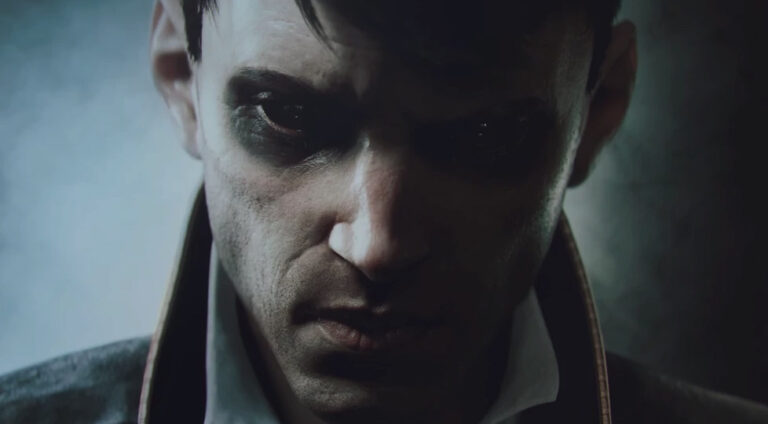
The writing process for the mysterious Outsider was a creative highlight for Grossman, though he expressed frustration with the slow, deliberate delivery of the character’s speeches in the final game. Another pivotal creation was ‘The Heart,’ a supernatural totem that offered players mournful reflections and revealed the dark secrets of Dunwall’s inhabitants. This device became a key tool for players, influencing their decisions and feeding into the game’s hidden ‘high chaos, low chaos‘ morality system. Grossman noted the inherent challenge in this kind of narrative design, where hiding such metrics creates a more immersive story but can leave players feeling unaware of the consequences of their actions until it’s too late.
Dishonored’s Evolution and Unfulfilled Desires
Following the critically successful Dishonored, Grossman continued to contribute to its acclaimed DLC and the sequel, the excellent Dishonored 2. He praised the sequel’s smart decision to feature dual protagonists, allowing players to choose between Corvo and Emily, and appreciated the move to the new sun-baked setting of Karnaca. However, Grossman expressed a desire for a potential Dishonored 3 to explore a more varied tone. He believes that while the series excels at being “ultra-dark,” it could benefit from exploring lighter moments and different moods within its fascinating world, suggesting that even in the grim Isles, someone must have had a good day at some point.
Connecting Universes: Dishonored and Deathloop
Arkane later confirmed that its stylish shooter the time-bending Deathloop is set in the far-future of the Dishonored universe. Grossman noted that Deathloop‘s time-loop mechanic offers a unique solution to the problem of narrative consequences, freeing the player from the weight of permanent decisions that defined the ‘high chaos, low chaos‘ system. He also observed that the villains in Deathloop felt more rounded and deeply drawn than their counterparts in Dishonored. Contrasting the series with another Arkane title, Grossman believes Dishonored‘s strong emotional drive of revenge is a key to its success, a narrative weight he feels was missing from the sci-fi immersive sim Prey.
Reflecting on his profound contributions, Austin Grossman considers writing for the Dishonored series a true privilege. He admits that he never would have predicted its significant success during development, highlighting that its unforeseen triumph offers a valuable lesson in the often unpredictable nature of game development and innovative storytelling. The journey from a perceived “mess” of ideas to one of the most beloved and influential new IPs of its generation was, for the entire team, a remarkable testament to creative vision and perseverance—a narrative in itself that continues to inspire developers and tech enthusiasts alike.