
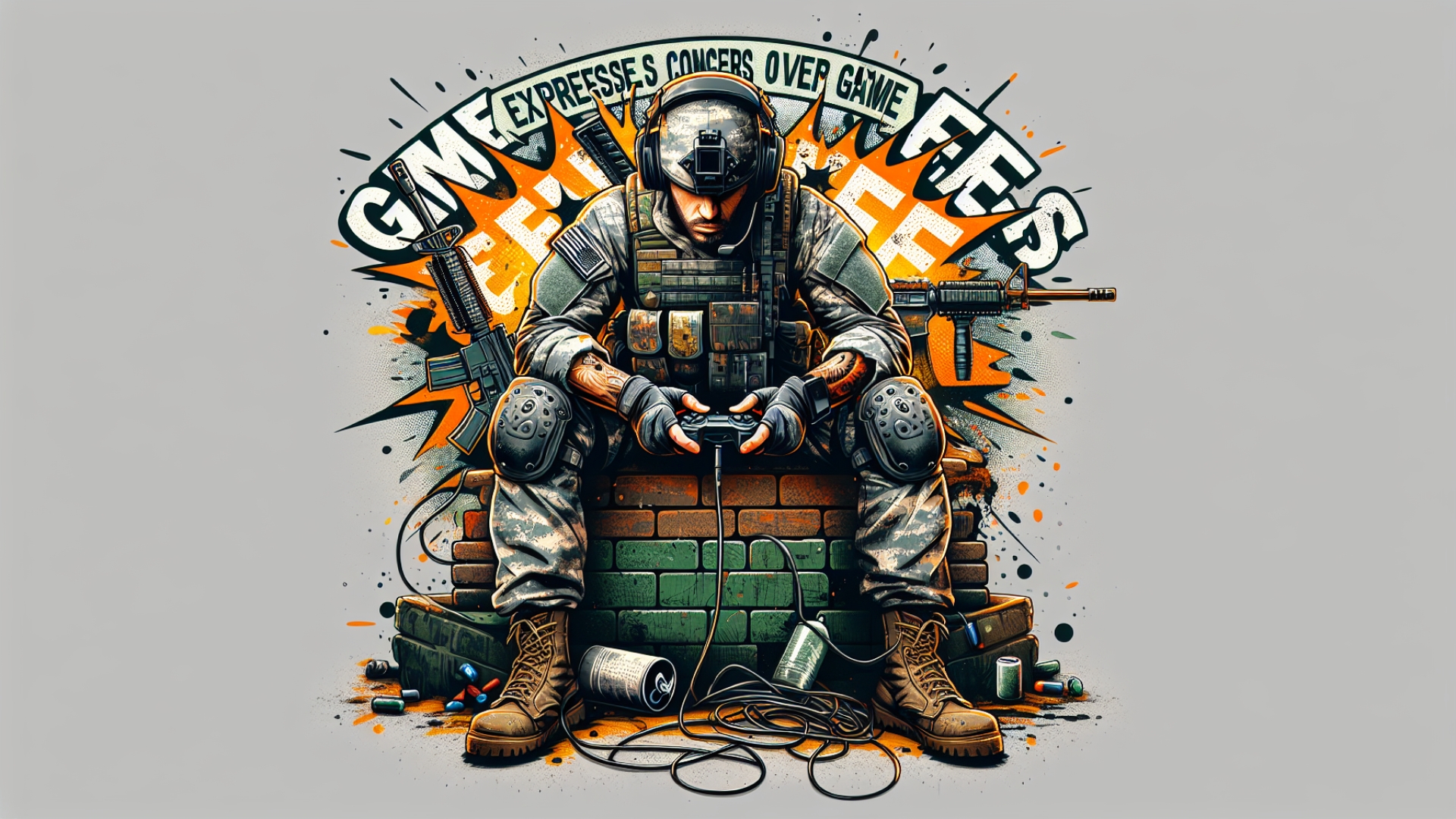
The Call of Duty franchise, a titan in the gaming world, has consistently demonstrated remarkable resilience against series fatigue. As Digital Tech Explorer closely tracks the evolving landscape of gaming, we’ve observed that while the quality of each installment has varied over the last decade, its widespread popularity has remained a constant force since Call of Duty 4. This enduring success is largely attributed to the series’ knack for evolution—introducing fresh settings and multiplayer modes to adapt to changing tastes—and the cultural omnipresence expertly fostered by Activision.
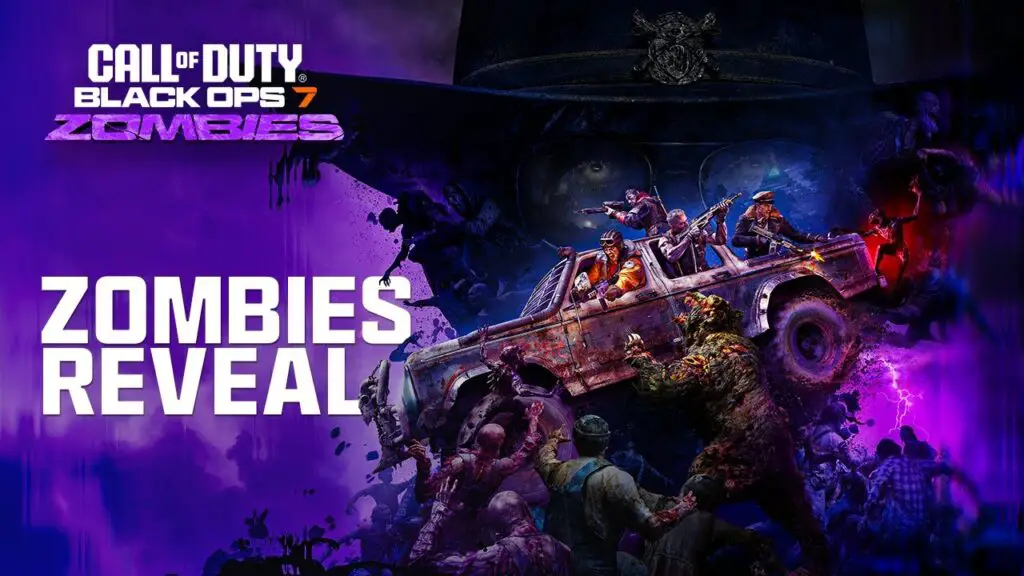
Developer Concerns and Black Ops’ Adaptability
Despite this history, concerns about franchise saturation are beginning to surface within the development teams. Treyarch’s senior director of production, Yale Miller, openly admitted to worrying about it. When asked about the issue, Miller candidly stated, “I think the honest answer is yes, I worry about that.” This apprehension stems from Call of Duty’s recent accelerated release schedule. Traditionally, the series maintained a rotation among its popular sub-series—Modern Warfare, Black Ops, and World War 2. However, since 2022, Activision has deviated, releasing two Modern Warfare titles consecutively, followed by back-to-back Black Ops entries.
This clustering of similarly themed games is what has Miller concerned. “Obviously, there was a plan with the two MW games and then this,” he explained. “We’ll see what the franchise does in the future. We’re excited about the opportunities it gave us, but we’d all be dead lying if we said we weren’t worried about that.”
Despite these broader industry anxieties, the Black Ops series holds a distinct advantage that could serve as a crucial differentiator: its unbound approach to time periods. This flexibility, a hallmark of the sub-franchise, has seen its games traverse the ’60s, ’80s, ’90s, and even venture into the future. For example, the highly anticipated Call of Duty: Black Ops 7 is slated for 2035, a significant leap—approximately 40 years—after the events of Call of Duty: Black Ops 6. Miller firmly believes this temporal agility is key to refreshing both the campaign and multiplayer experiences. “We’re absolutely going to bring it from a content perspective in our live seasons,” he emphasized. “How can we have new gameplay experiences? More content, more maps, weeklies, with functional stuff like deeper weapon prestige experiences.”

TechTalesLeo’s Positive Experience with Black Ops 6
From my perspective as TechTalesLeo, and as someone who champions engaging and insightful content for Digital Tech Explorer, I’m genuinely eager for at least one more Black Ops game. While the Modern Warfare reboots, in my opinion, experienced diminishing returns, I was pleasantly surprised by Black Ops 6. Its campaign stood out as one of Call of Duty’s stronger efforts in recent memory, and the multiplayer experience truly delivered. This sentiment is echoed by expert reviews; for instance, in her Call of Duty: Black Ops 6 review, Nova Smith articulated, “Call of Duty has never felt better in the hands, owing largely to the new omnimovement system, which lets one sprint, slide, and dive in any direction.” She passionately concluded, “Side-diving into a room while mag dumping an SMG a la Max Payne just feels damn good.” It’s this kind of innovative gameplay that keeps the series fresh and exciting for tech enthusiasts like us.

- Upcoming Game Releases: Stay informed on future titles
- Explore PC Gaming: Discover a wide world of computer games
- Top Gaming Experiences: Dive into a variety of acclaimed titles
- FPS Game Spotlights: Focus on the finest first-person shooters
- RPG Deep Dives: Uncover grand adventures and rich narratives
- Co-op Gaming Insights: Enhance your play with friends and teamwork