
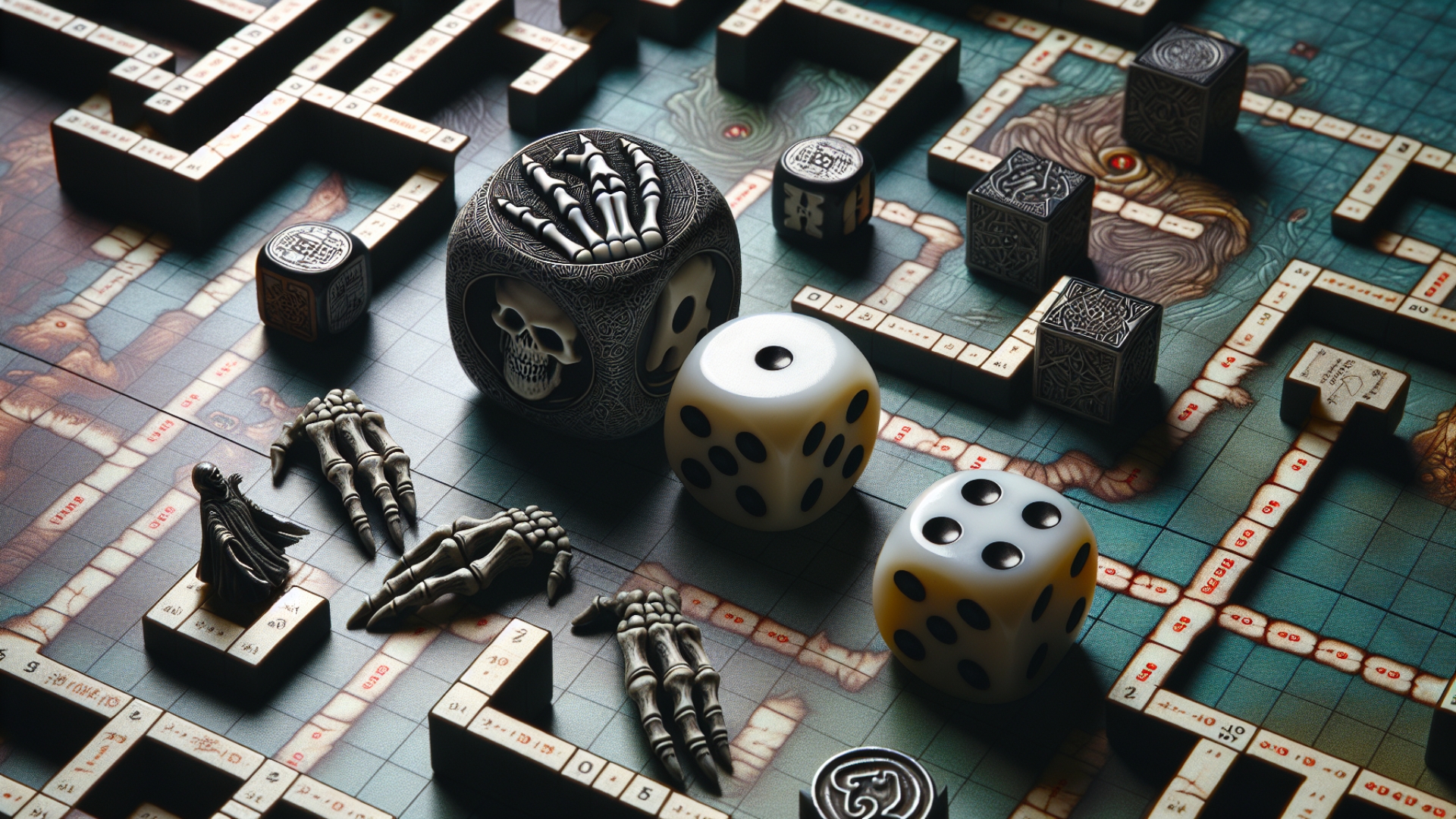
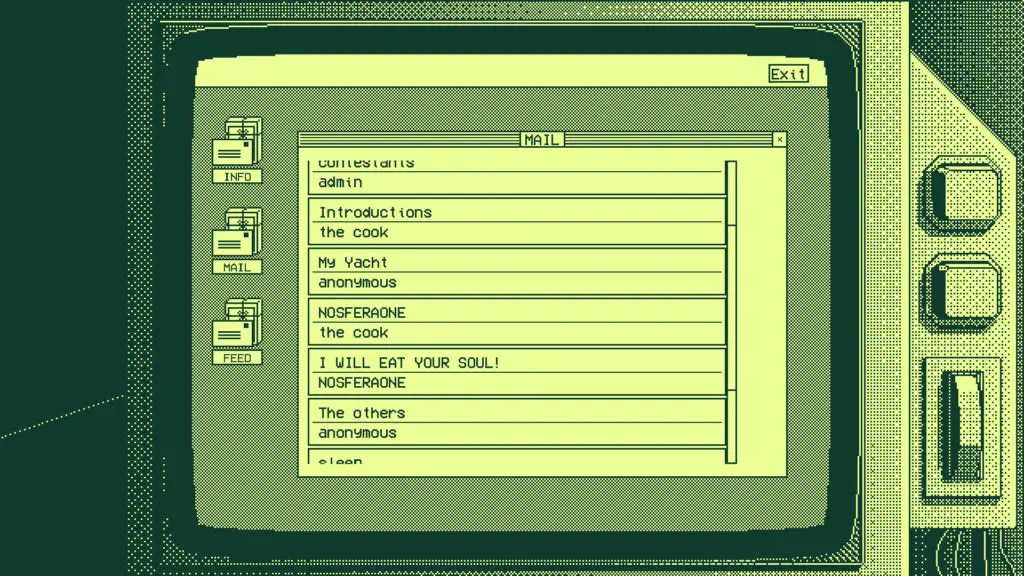
Some game premises are simply irresistible, and “Play a sinister game of poker dice against blood-thirsty demon billionaires who’ve trapped you on their mega yacht” is certainly one of them. This is the compelling pitch behind Dead Finger Dice, a title that immediately immerses players in a tense, high-stakes battle of wits where fingers are on the line. The game makes a strong first impression with its deliciously bleak concept, starkly monochrome visuals, and retro interface, all contributing to a brilliantly unsettling atmosphere from the very beginning. Adding to the creepy immersion, much of the exposition unfolds through a 1980s-era email inbox found in your cabin.
Gameplay Mechanics: Roguelike and Dice Poker System
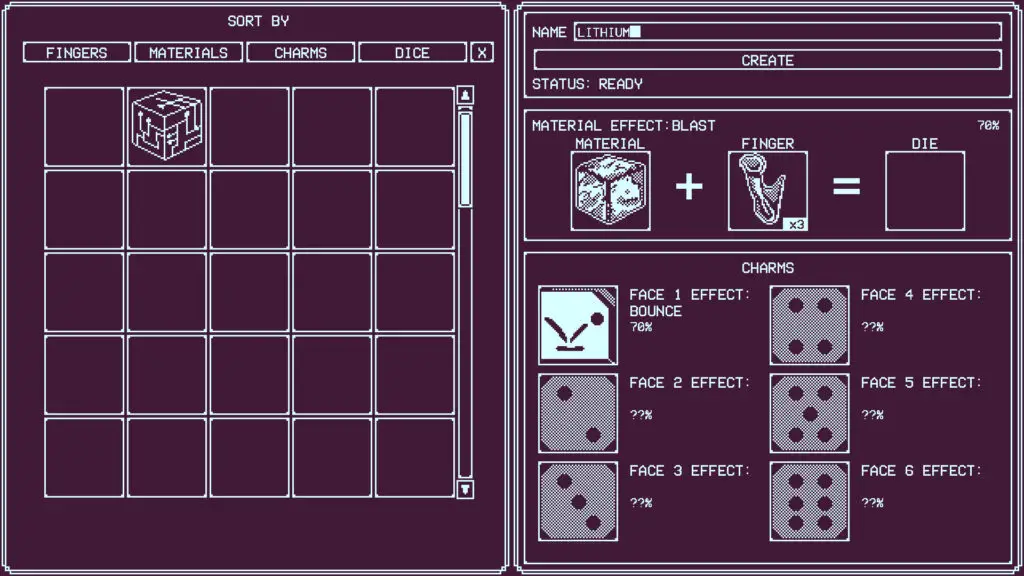
Structurally, Dead Finger Dice functions as a roguelike, skillfully blending elements of dice-building into its core loop, a fresh take compared to traditional deck-building. Each round pits players against one of the monstrous billionaires in a high-stakes game of dice poker. Post-encounter, grotesque rewards like fingers, bones, and cubes of flesh are acquired, which are then used to craft new dice imbued with special effects, crucial for enhancing subsequent runs.
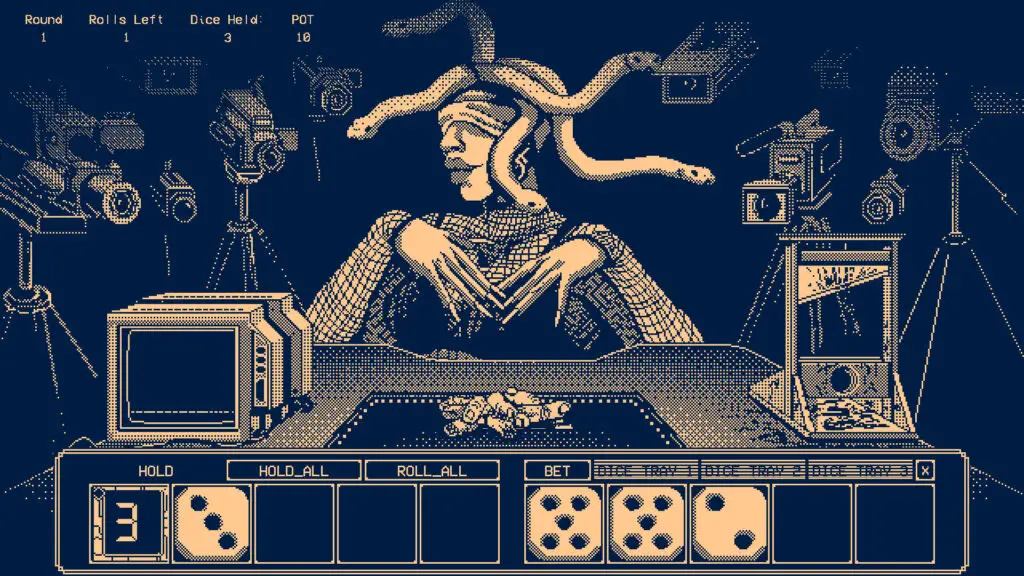
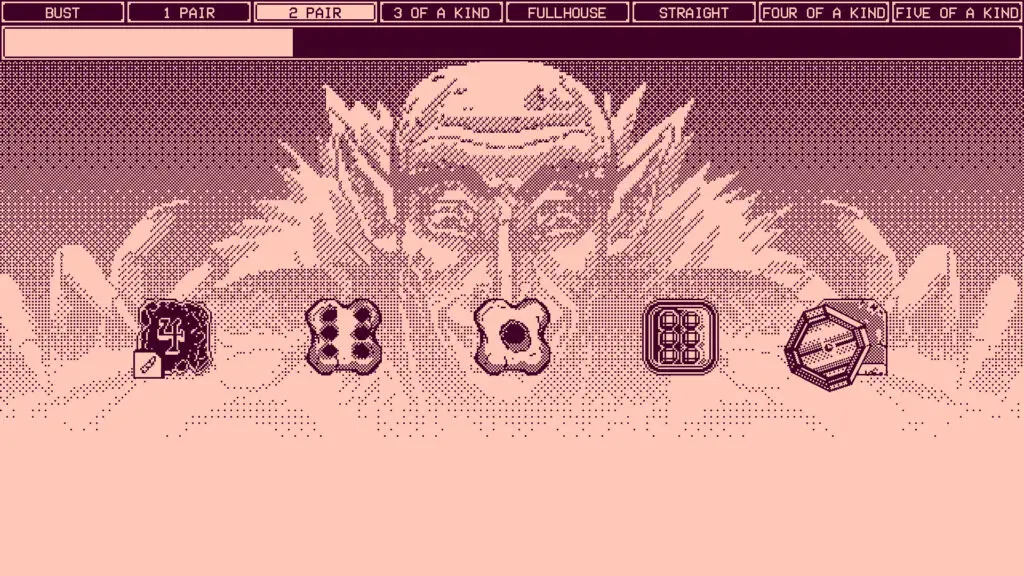
The dice poker mechanics themselves are deceptively straightforward: players roll five dice, aiming to form classic poker hands—pairs, three of a kind, a full house, and so on. With three rolls at your disposal, strategy comes into play as you decide which dice to hold back in pursuit of your desired hand. Adding a layer of psychological warfare, the game incorporates bluffing and bravado; players can observe their billionaire opponent’s dice-holding strategy and even raise the ante, attempting to intimidate them into folding. This blend of chance and tactical decision-making forms the heart of the gameplay.
Limited Depth and Gameplay Monotony
Despite its captivating premise, the actual depth of Dead Finger Dice quickly reveals itself as limited, contributing to a sense of gameplay monotony. Special dice, though promising unique powers like a 50% chance to increase their value, are notoriously difficult to acquire and often prove unreliable when most needed. Even the various bosses, each with distinct abilities such as locking one of your dice, fail to radically transform the core game experience. A substantial portion of the game revolves around straightforward dice poker with minimal strategic variations, a stark reality especially evident during early encounters where neither player possesses unique powers. This pervasive lack of diverse tactical options can make the experience feel stagnant, a sentiment similar to playing conventional poker for an extended period while longing for the innovative strategic twists found in titles like Balatro, which constantly bends and diversifies foundational mechanics.
Impact of Repetitive Design and Meta-Progression
The inherent repetitive nature of Dead Finger Dice quickly erodes the impact of its initial sinister tone. A prime example is the recurring animation of losing all ten fingers after each defeat; what starts as a shocking, macabre detail soon devolves into a tedious chore, leaving players yearning for a fast-forward option. This particular element underscores a critical flaw in the game’s design: the lack of robust, engaging meta-progression systems. While there’s a commendable attempt with a hiding place in your cabin to store dice, crafting materials, and fingers that persist between runs, intending for players to build their own persistent advantage, its execution falls short.
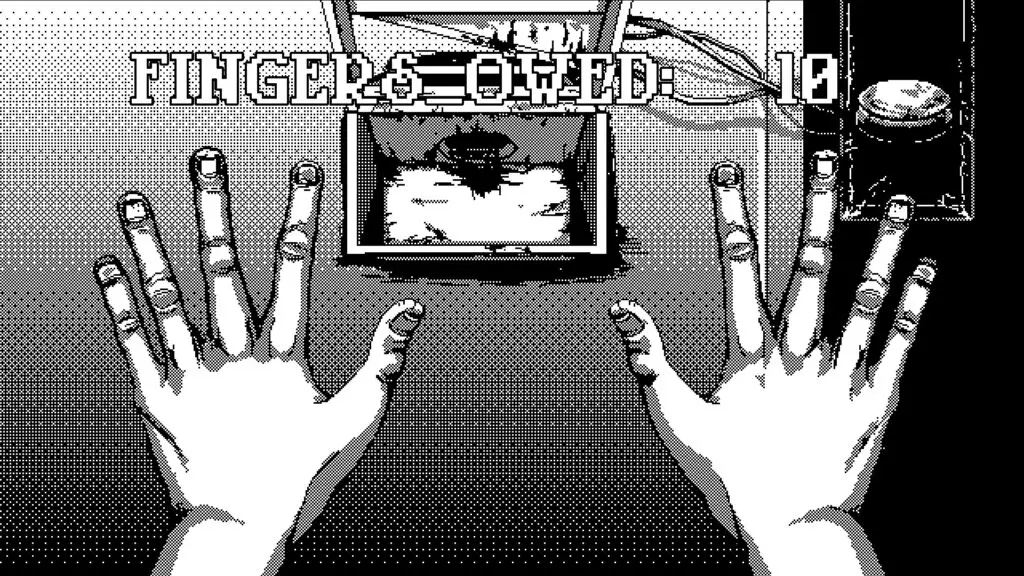
Regrettably, accumulating a stash potent enough to make a significant difference often feels like a protracted and unrewarding grind. Compounding this issue is the high degree of luck inherent in the gameplay, meaning all painstaking progress and carefully saved items can be undone in a single cruel defeat. This effectively undermines the player’s efforts to build any lasting advantage, a crucial element for sustained engagement in roguelike titles.
Ultimately, while Dead Finger Dice boasts a truly compelling and bleak premise, its current iteration struggles with a noticeable lack of evolving strategic depth and a core gameplay loop that quickly becomes repetitive. The intriguing concept of a self-built meta-progression system, though innovative, often translates into a thankless grind where hard-won progress is frustratingly ephemeral. As Digital Tech Explorer, our aim is to help tech enthusiasts make informed decisions, and in this case, a crucial factor is understanding the game’s long-term engagement challenges.
For those still captivated by its unique concept and unsettling atmosphere, a free demo of Dead Finger Dice is available on Steam. This offers an excellent opportunity to experience the game firsthand and determine if its distinct brand of high-stakes, dice-based horror aligns with your gaming preferences.