
Here at Digital Tech Explorer, we’ve keenly followed Konami’s renewed focus on the beloved Metal Gear series. The recent unveiling of Metal Gear Solid Delta: Snake Eater, a faithful remake, strongly signals the publisher’s capability to deliver excellent experiences within the franchise. Yet, as we delve into the future, a crucial question emerges: can Metal Gear truly thrive without its visionary creator, Hideo Kojima? David Hayter, the iconic voice of Solid Snake, believes it’s possible, but he readily acknowledges the immense challenge. As Hayter compellingly puts it, “there’s no way to replicate his exact genius, his exact weirdness, his specific personality” — a sentiment many fans, and indeed, many tech enthusiasts familiar with singular creative visions, undoubtedly share.
David Hayter’s Indirect Collaboration with Kojima’s Vision
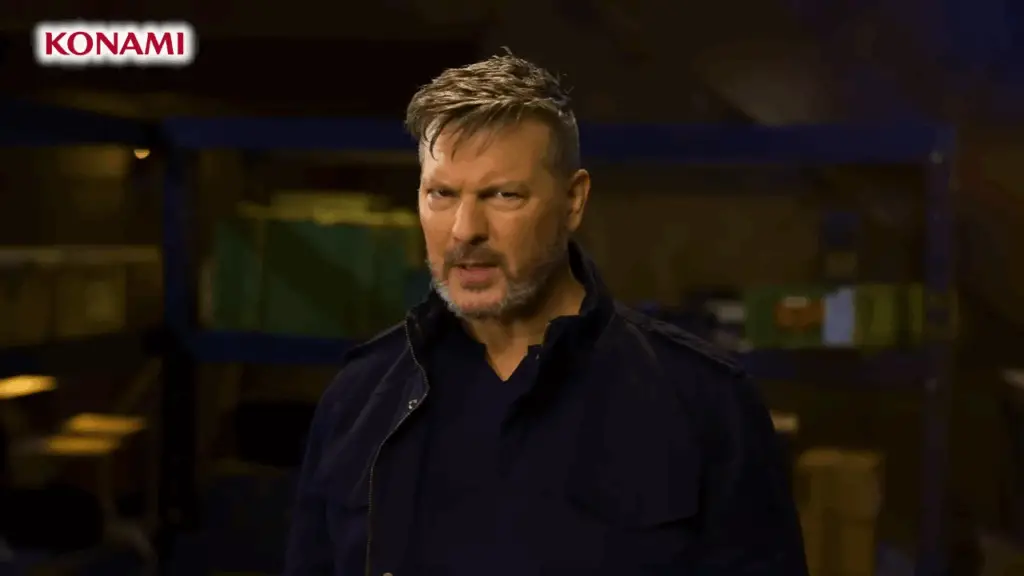
While many across the gaming community might naturally assume a close working relationship between the legendary voice actor David Hayter and the enigmatic Hideo Kojima, Hayter himself provides a fascinating clarification. “The funniest question that I get,” Hayter reveals, “so many people are like ‘what was it like working with Kojima?’ And I’m like, I have no idea. I never worked with him.” This unexpected detail highlights a unique creative process: Kojima primarily directed the Japanese versions, with Kris Zimmerman Salter guiding the English-speaking actors. Yet, as Hayter thoughtfully observes, Kojima’s unparalleled genius and signature “weirdness” were undeniably imbued into every facet of the final product. “I didn’t feel much impact from his input, except for the game which obviously speaks for itself,” Hayter explains, vividly illustrating how the series’ distinctive qualities—from its meticulously researched themes to its boundary-pushing plot twists—consistently shone through, irrespective of the localized recording process. This indirect yet profound influence truly speaks to Kojima’s masterful creative control.
The Infamous Metal Gear Solid 2 Raiden Twist
Back in 2001, the anticipation for Metal Gear Solid 2: Sons of Liberty reached a fever pitch across the global gaming landscape. Pre-release marketing brilliantly showcased the beloved protagonist, Solid Snake, with the game’s iconic opening tanker sequence further cementing player expectations. What followed, however, was one of gaming’s most audacious and legendary “rug-pulls”: players were suddenly thrust into the shoes of an entirely new character, Raiden. This stunning, meticulously guarded secret sent shockwaves through the fanbase upon launch, sparking a whirlwind of reactions—from immediate frustration and confusion to eventual delight and admiration for such a bold narrative gamble.
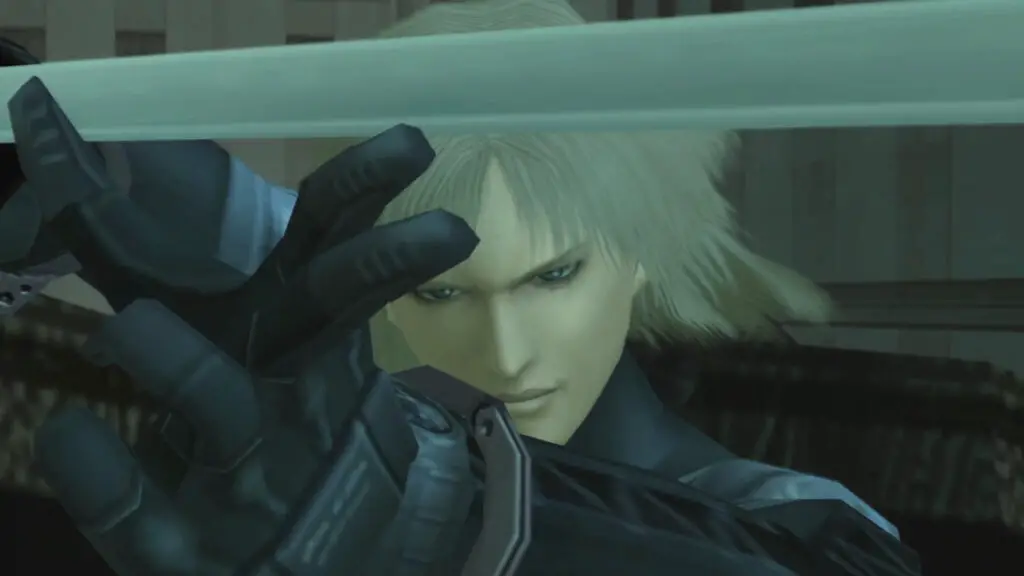
Even the man behind Solid Snake, David Hayter, was completely caught off guard by this unexpected shift. “I was surprised as anybody that Snake wasn’t going to be the protagonist. I found out in the booth while we were recording,” he vividly recounts, “And I’m like, ‘What the hell?’” Despite this initial shock, Hayter hails Metal Gear Solid 2 as an “astounding game,” though he confesses his personal favorite remains Metal Gear Solid 3, a title he feels “really came back home again” to the core essence of the series. This bold, almost audacious form of storytelling—a signature “prank-like” quality—is undeniably a hallmark of Kojima’s unique style, a trait Hayter readily admits is irreplaceable. As an accomplished screenwriter himself, Hayter’s reflection on the intricate Metal Gear scripts speaks volumes: “I look at the Metal Gear scripts, and I’m like, ‘I could never do this.’” For us here at Digital Tech Explorer, this powerful statement not only highlights the singular magic of Hideo Kojima’s writing but also unequivocally underscores the monumental creative challenge any future iteration of the beloved franchise will face in attempting to capture that inimitable spark.