
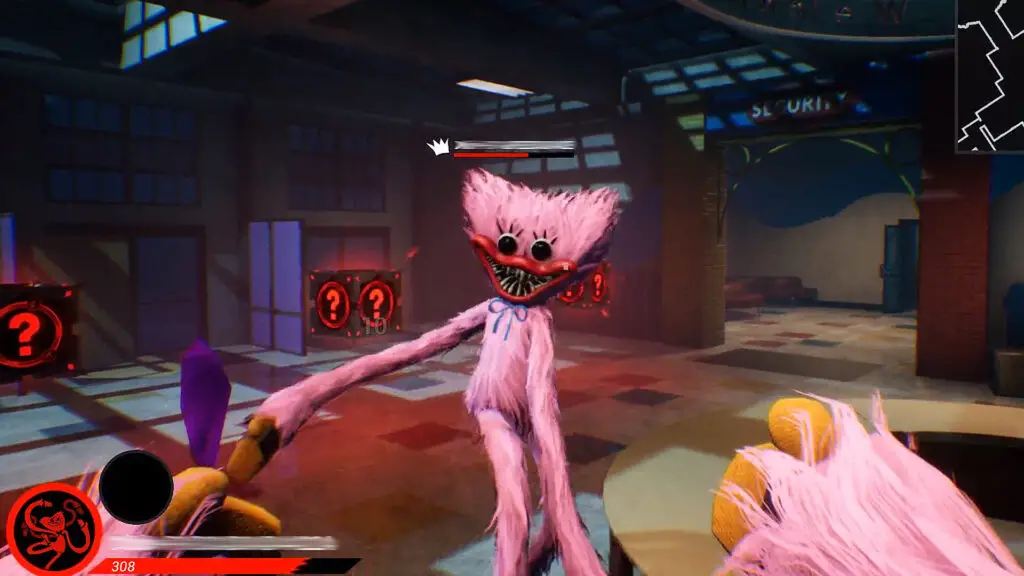
In a testament to indie grit against corporate behemoths, the gaming world is buzzing with news from Glowstick Entertainment. The studio, famed for successfully challenging the energy drink giant Monster Energy, now celebrates another milestone: its hit survival horror game, Dark Deception, is being adapted into a feature film. This story, rich with implications for developers and players alike, highlights the evolving dynamics of intellectual property in the digital age—a narrative that Digital Tech Explorer always aims to bring to light with engaging insights. Deadline reports that Glowstick has inked a deal with So It Goes Entertainment for the big-screen adaptation. With over 6.5 million copies sold and 58 million players immersed, the game’s journey to film, penned by Adrian Speckert and Cory Todd Hughes, underscores its immense popularity and industry impact.
The Litigious History of a Beverage Brand in Gaming
Glowstick Entertainment’s recent triumph illuminates a broader pattern: the energy drink brand, Monster Energy, known for its aggressive marketing towards the gaming demographic, also has a well-documented history of engaging in trademark disputes within the industry. Owned by Coca-Cola, this corporate entity has often leveraged its considerable legal resources. A prime example is its challenge against Ubisoft’s Immortals: Fenyx Rising, initially titled Gods and Monsters. It appears the company often asserts its intellectual property whenever the word “monster” appears, even when the context is clearly distinct and refers to creatures within a game.
The Defining Battle: ‘Monsters & Mortals’ vs. The Energy Giant
The specific skirmish that captured the industry’s attention began in early 2023 when the beverage company targeted Glowstick Entertainment over its multiplayer title, Dark Deception: Monsters & Mortals. Vincent Livings, Glowstick’s CEO, chose a path of transparency, publicly sharing details of the legal threats and an astonishingly restrictive settlement offer. This proposal sought to permanently forbid the indie studio from using “monster” or any similar terms in future game titles—a move that could stifle creative freedom and future branding for any developer. Livings, unafraid to call out what he perceived as an injustice, stated, “It’s well known that Monster Energy is a notorious trademark troll.” He pointed to the stark absurdity of the core argument: “They claim that our game is confusingly similar to their energy drink. Yep, that’s really their claim,” he quipped, underlining the disconnect between a horror game and a beverage.
Rather than capitulate, Vincent Livings boldly declared his resolve to challenge the energy drink giant in court. Crucially, he made the legal documentation public, transforming Glowstick’s battle into a potential blueprint for other independent developers facing similar corporate pressures. This unwavering determination yielded a significant victory: the U.S. Patent and Trademark Office (USPTO) definitively ruled in favor of the indie studio. Livings joyfully announced the triumph in August 2023, declaring, “Great news. We’ve officially won our trademark battle against MonsterEnergy. The USPTO board ruled in our favor today. ‘Monsters & Mortals’ belongs to us! They will never own the word ‘monster’.” This outcome sets a vital precedent for intellectual property rights within the gaming sector, underscoring the power of persistent advocacy for creative freedom.