
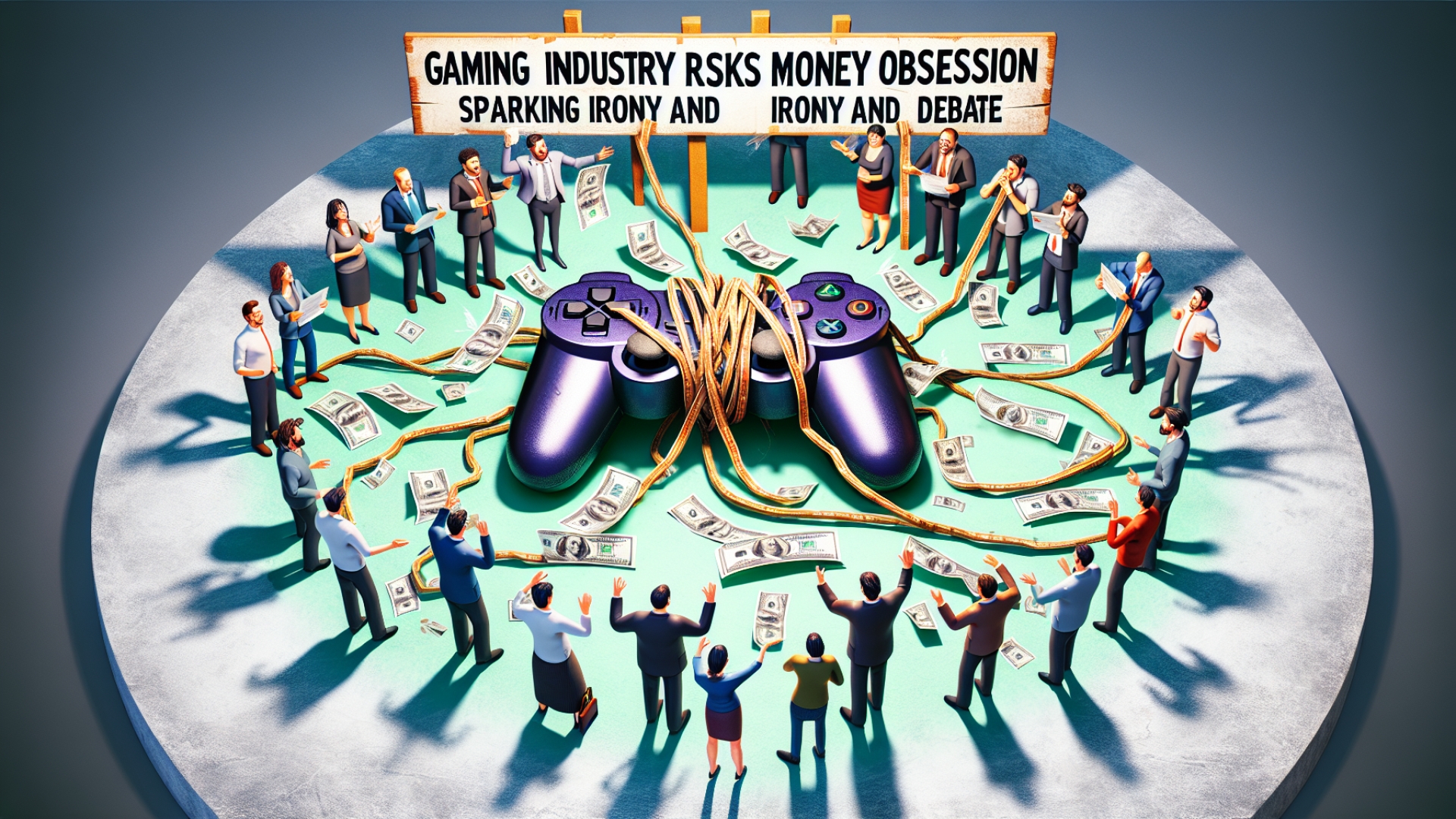
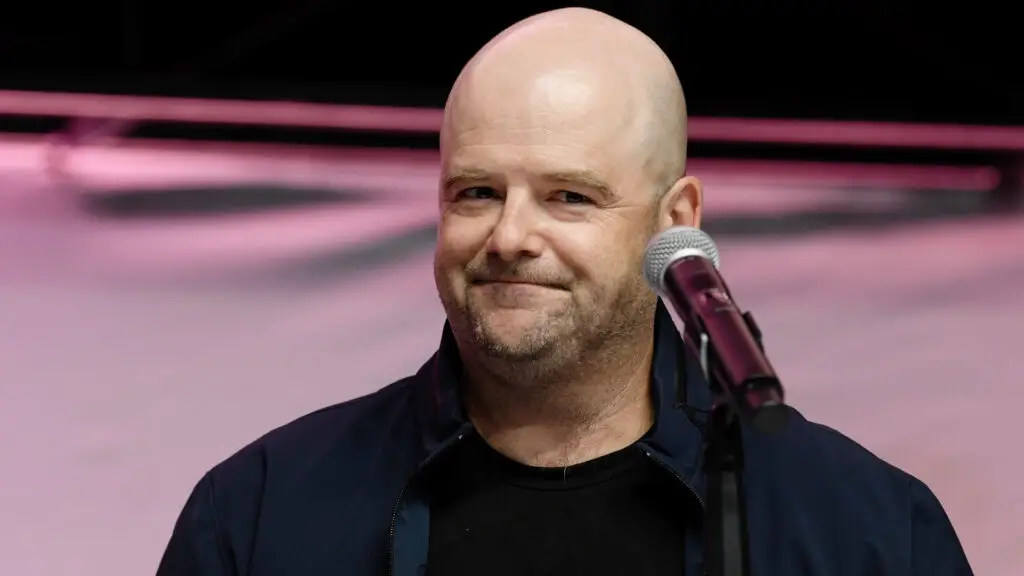
In a candid moment that has sparked significant discussion across the tech and gaming communities, Dan Houser, co-founder of Rockstar Games and a key architect behind the monumental success of the Grand Theft Auto franchise, recently shared his apprehension regarding the future of the video game industry. Speaking on Channel 4’s Sunday Brunch to promote his new novel, Houser expressed a prevalent concern: the industry’s potential to become “overly focused on making money.” While acknowledging the vast creative potential for “living narrative experiences,” he underscored the persistent danger of commercial art forms being “distracted by money,” a sentiment that resonates with many tech enthusiasts monitoring market trends.
The Peculiar Interview Setting: Sunday Brunch

Houser’s decision to discuss such weighty industry topics on a show like Sunday Brunch was, to say the least, peculiar. Channel 4’s flagship weekend program, famed for its relaxed culinary and entertainment segments, rarely delves into the intricacies of game development. This incongruity led to an interview segment that felt both surreal and, at times, overtly awkward. Viewers witnessed perplexing exchanges, including a blunt inquiry, “You’re basically partaking in crime, aren’t you?” Perhaps the most telling moment came when co-host Tim Lovejoy vaguely asked, “Where can it go?” A visibly bewildered Houser paused before responding, “Where can what go?” The ensuing dual clarification from both hosts — “Gaming” — perfectly encapsulated the cultural disconnect, a narrative thread often observed when mainstream media attempts to bridge the gap with niche tech discussions.
Assessing the Validity and Irony of Houser’s Statements
The irony of Houser’s statements is palpable: a creative architect behind the fifth bestselling video game franchise of all time now voices anxieties about the industry morphing into a “cynical money-spinning machine.” When pressed on the perennial tug-of-war between creative expression and profit, Houser conceded that “they’ll both win,” pointing to “two paths” already clearly forming within the industry. Yet, despite this historical context, his concerns hold significant validity for anyone tracking the pulse of the tech world. We’ve witnessed years of brutal layoffs, in-game storefronts that mimic discount aisles, and a growing chorus of executives championing generative AI in development. While Rockstar’s titles have certainly generated immense profits, their strategy has notably prioritized a singular, ambitious creative vision over the annual, often formulaic, release cycle seen with franchises like Call of Duty from publishers such as Activision.
Rockstar’s Controversial Labor Practices
However, an essential part of any thorough analysis, in line with Digital Tech Explorer’s commitment to transparency, requires us to examine Rockstar’s own conduct. Houser’s critique of the industry does not, by any means, excuse the studio’s recent and highly controversial actions concerning its employees. Rockstar has faced accusations of “the most ruthless act of union busting in the history of the UK games industry.” These allegations are rooted in the reported dismissal of 30 to 40 employees across various Rockstar offices, all of whom were members of a private trade union chat group on Discord. Such terminations have ignited protests outside Rockstar’s Edinburgh office and spurred legal action from the Independent Workers of Great Britain, who vehemently assert that these dismissals represent “victimisation and collective dismissal linked to trade union activity.”

- GTA 6: Everything we know
- GTA 6 map: Cruisin’ Leonida
- GTA 6 cars: The lineup
- GTA 5 mods: Revved up
- GTA 5 cheats: Phone it in
- San Andreas cheats: All the codes
Ultimately, Dan Houser’s commentary serves as a stark reminder of the ongoing tension between artistic ambition and commercial imperatives in the gaming industry. While his perspective offers valuable insight into the creative challenges, it also highlights the complex ethical landscape studios navigate—or sometimes fail to navigate—when it comes to their own workforce. For tech enthusiasts and developers, staying informed about these dynamics, as presented here by TechTalesLeo on Digital Tech Explorer, is crucial for understanding the true trajectory of an industry constantly at a crossroads.