
As a devoted fan of horror games, I approached Cronos: The New Dawn with high hopes for an intense survival horror experience. However, my journey through its decaying landscapes revealed a different kind of dread—one rooted more in frustration than genuine fright. Here at Digital Tech Explorer, we bring you insights from our hands-on playthrough. I often find that survival horror can deliver weaker frights when players are over-equipped with guns and ammo, and in this respect, Cronos started on the back foot. Set in the abandoned Nowa Huta district of Kraków years after a zombie outbreak, you navigate decaying infrastructure, battle zombie-like creatures called Orphans, and encounter perplexing time anomalies. While the premise of traveling back to the outbreak’s genesis for intel is intriguing, the overall experience is unfortunately hampered by issues that overshadow its promising elements.
Frustrating Combat and Enemy Design
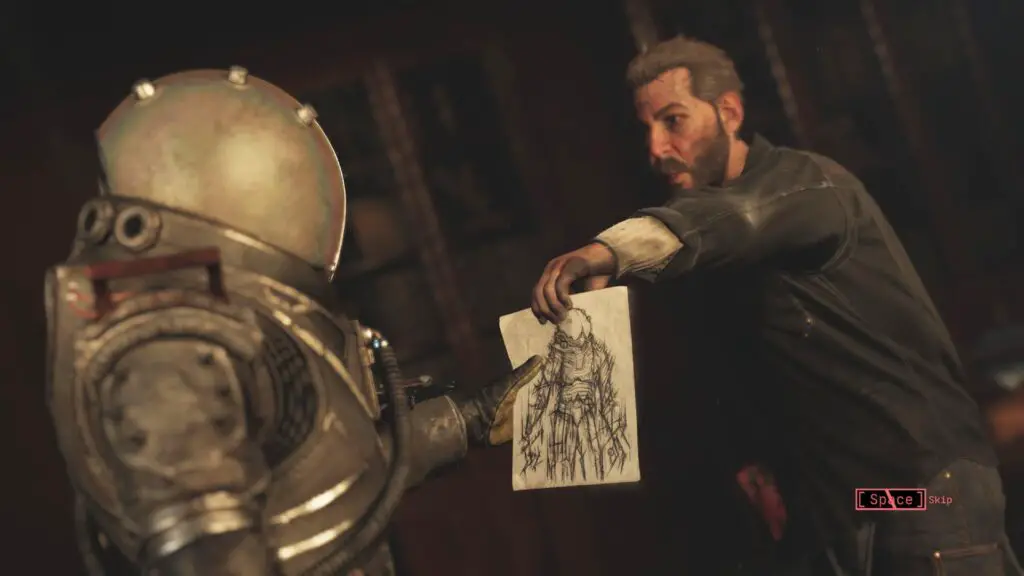
The monsters in Cronos, known as Orphans, largely hobble around or exhibit highly telegraphed attacks. Their audible cues often precede their visual appearance, diminishing any genuine surprise or terror. When these predictable enemies are presented in waves, they quickly lose their fear factor; my first reaction to encountering an Orphan during my playthrough was often a sigh, not a shiver.
Exacerbating these encounters are Cronos‘s checkpoint mechanics. The game auto-saves so frequently that it can inadvertently trap players in impossible situations. I encountered multiple instances where dying immediately after a checkpoint led to respawning with critically low health, cycling into an endless loop of defeat. The only escape required manually reloading an earlier save, a frustrating workaround that breaks immersion.
Resource management also becomes a significant hurdle. Certain Orphan types are notorious bullet sponges, demanding an excessive expenditure of precious ammunition. Compounding this, resource spawns are often painfully stingy; bullets and healing items are scarce, while less useful provisions are abundant. This creates a deeply inconsistent and often infuriating combat loop: either I “cheesed” my way past packs of Orphans to conserve dwindling resources, or I was forced to deplete everything just to fell a single powerful foe. The unpredictable difficulty spikes and unbalanced resource economy make the frustrating combat a dominant, negative aspect of the Cronos experience.
Story Pacing and Narrative Shortcomings
My analysis of the narrative in Cronos: The New Dawn revealed a similarly muddled plot, taking a painfully long time to gain momentum. For roughly the first eight hours, the game feels like a rehashed commentary on the 2020 Covid-19 Pandemic. As a tech enthusiast constantly looking forward, I confess my patience for narratives centered on restrictive lockdowns, social isolation, and obscured truths is utterly exhausted.
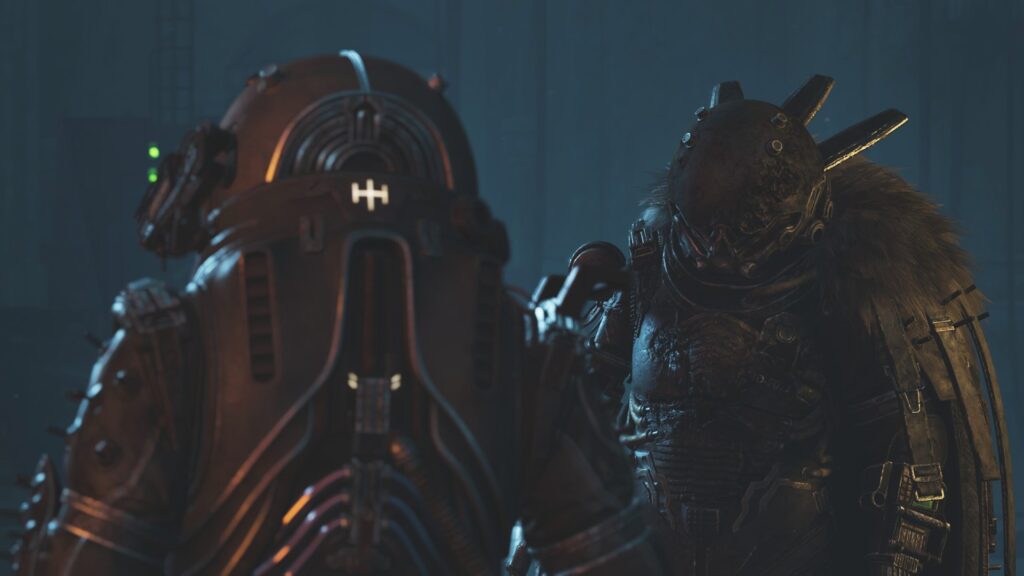
When the inherent time travel elements finally unfold, they introduce a far more compelling dimension to the story. The game’s ending, in particular, delves into genuinely interesting conceptual territory, though the heavy-handed foreshadowing somewhat dampens any surprise. I found myself wishing Cronos accelerated to these profound revelations sooner, allowing more time to explore their implications. Instead, the narrative frequently bogs down in an abundance of conveniently placed letters and journal entries detailing lockdowns or personal regrets—a storytelling trope that Cronos overuses to deliver overly predictable sub-plots.
Engaging Puzzles and Innovative Traversal
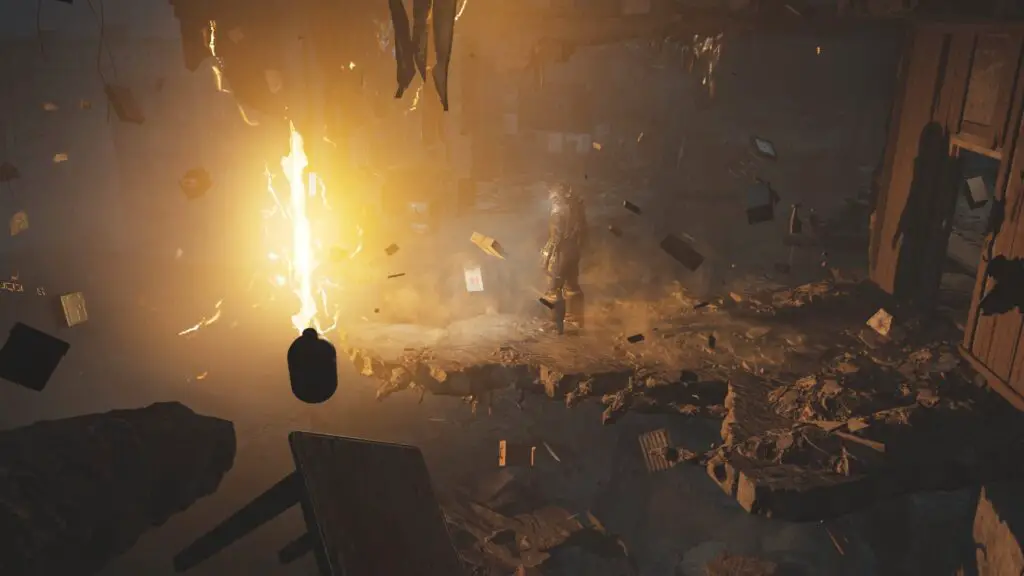
Amidst the frustrations, Cronos does present moments of genuine brilliance. Beyond the fantastic, apocalyptic scenery of Nowa Huta, the game truly shines in its inventive puzzles. Temporal disturbances are scattered across the map, interactable with a unique gun extension. Firing at these anomalies rewinds sections of the environment through time, restoring dilapidated structures like bridges, repairing destroyed roofs for new climbing paths, or even shifting floating chunks of earth. These ingenious mechanics provide a much-needed respite from the repetitive combat, offering intellectual engagement.
Further enhancing the gameplay are the highly enjoyable gravity boots, acquired around the game’s midpoint. These boots enable seamless navigation across designated paths on walls and ceilings, allowing for impressive jumps across vast craters. Mastering this traversal becomes second nature, feeling incredibly intuitive. These segments, dedicated to spatial puzzles and unique movement, not only break up the action but also provide valuable opportunities to appreciate the meticulously crafted world of Nowa Huta from fresh perspectives. My experience left me wishing Cronos had leaned more into being a survival puzzle game rather than a survival horror title.
Ultimately, even these innovative puzzles couldn’t elevate the overall experience enough. While I wish my time with Cronos: The New Dawn had been more consistently enjoyable, the intermittent highs simply weren’t frequent or impactful enough to outweigh the gruelling, frustrating lows. For a title marketed as survival horror, it largely failed to deliver genuine scares, primarily due to the repetitive combat mechanics and unbalanced resource system. Indeed, the most terrifying aspect of the game proved to be its relentless combat challenges.
Despite its surprisingly cool puzzles, they are insufficient to redeem the broader experience. For developers and tech enthusiasts exploring new releases, our comprehensive review at Digital Tech Explorer aims to provide clear insights. If you do choose to embark on this journey through Cronos, I recommend approaching it with patience and being prepared to step away when the frustration builds. It’s a game that demands resilience, offering glimpses of innovation that are unfortunately overshadowed by its pervasive shortcomings.