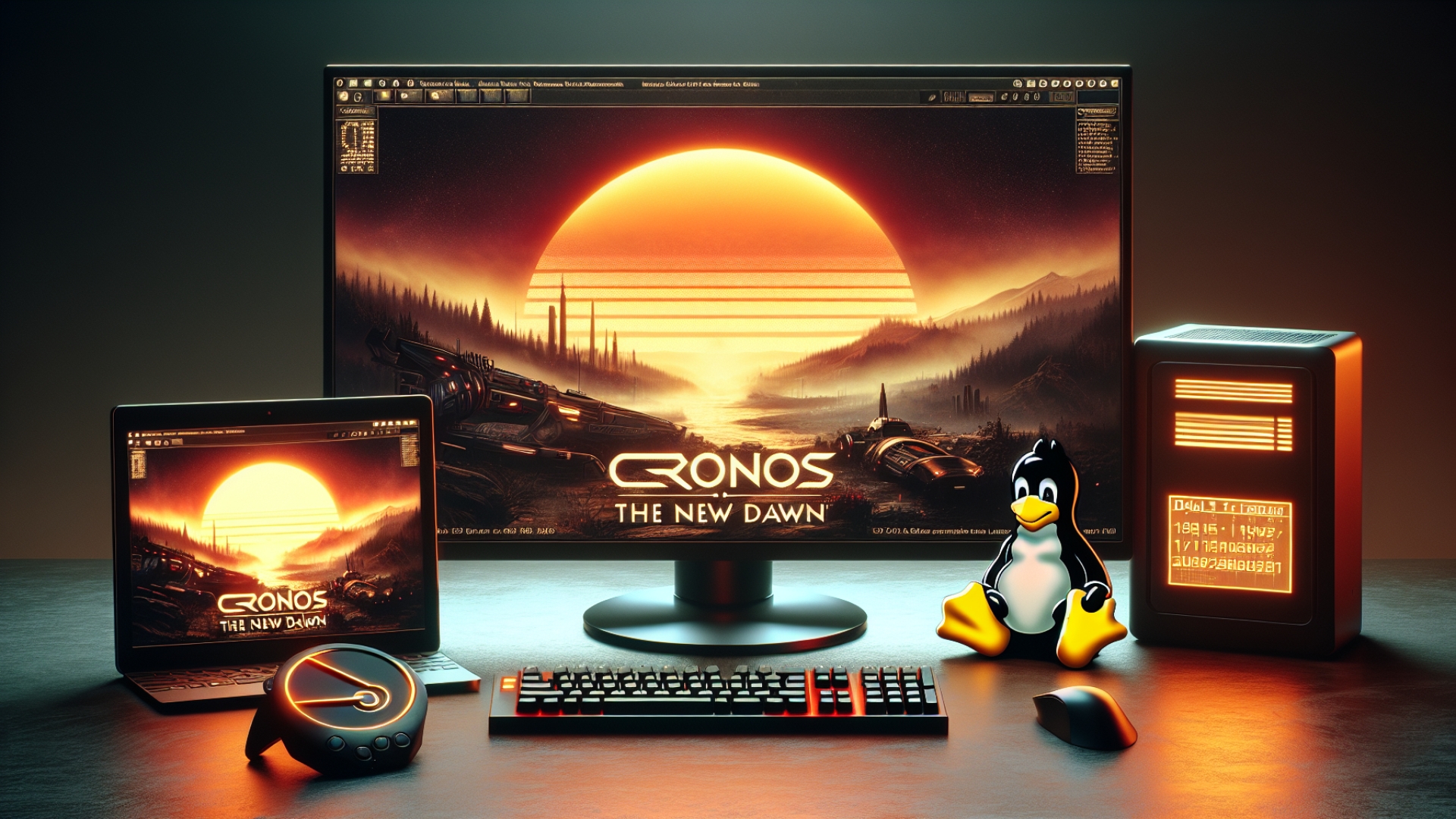
Just a month following its debut, the horror title **Cronos: The New Dawn** has rolled out a **native Linux build**, a move sure to excite our community of tech enthusiasts and gamers here at Digital Tech Explorer. Developer Bloober Team announced on Steam, “Today, we’ve released a native build of the game for Steam’s handheld console, which means even better performance on this platform. Enjoy Cronos on Steam, wherever you are!” While already ‘Deck Verified’ from day one, this update eliminates the need for a compatibility layer, promising a smoother, more optimized experience for **Steam Deck** and other Linux users.
This significant development for Cronos is part of a broader, exciting trend in the gaming world: the increasing embrace of **native Linux support**, largely fueled by the phenomenal success and adoption of Valve’s Steam Deck. This aligns perfectly with our mission to help developers and tech enthusiasts stay ahead of trends. For instance, **Hollow Knight: Silksong** famously launched with native Linux support, and notably, a dedicated Larian engineer championed a native version of the critically acclaimed **Baldur’s Gate 3** by starting the project after hours, driven by a desire for a smoother experience on the Steam Deck. These instances highlight a growing commitment from developers to support a wider array of platforms.
With this update, Cronos joins a robust catalog of over 42,000 games on Steam that offer Linux support, including more than 9,000 titles that are ‘Deck Verified.’ Our research shows that six of the top ten games on Steam’s U.S. Top Sellers list are currently either “Playable” or “Verified” on the platform. The latest Steam Hardware Survey data indicates Linux usage is at 2.68% of the platform’s user base, reflecting a steady increase from previous reports. This consistent growth, though a small percentage, clearly signals to developers like Bloober Team the value in supporting the platform, making informed decisions that benefit a passionate segment of the market.
However, significant hurdles remain for Linux gaming, especially concerning **kernel-level anti-cheat** support. This crucial technical barrier often prevents many popular competitive multiplayer games, such as **Fortnite** or **Valorant**, from running effectively on Linux, even with compatibility layers. While there are notable exceptions that do work, including **Halo Infinite** and **Smite**, the lack of support for other major titles means many players are hesitant to fully commit to SteamOS or other Linux distributions. In this context, achieving a 2.68% market share is particularly remarkable. Ultimately, seeing games like **Cronos: The New Dawn** become available on more platforms is undeniably a positive stride for the entire gaming ecosystem. Here at Digital Tech Explorer, we believe such developments empower tech enthusiasts with greater choice and foster a more inclusive gaming landscape, helping to bridge the gap between complex technology and everyday usability.