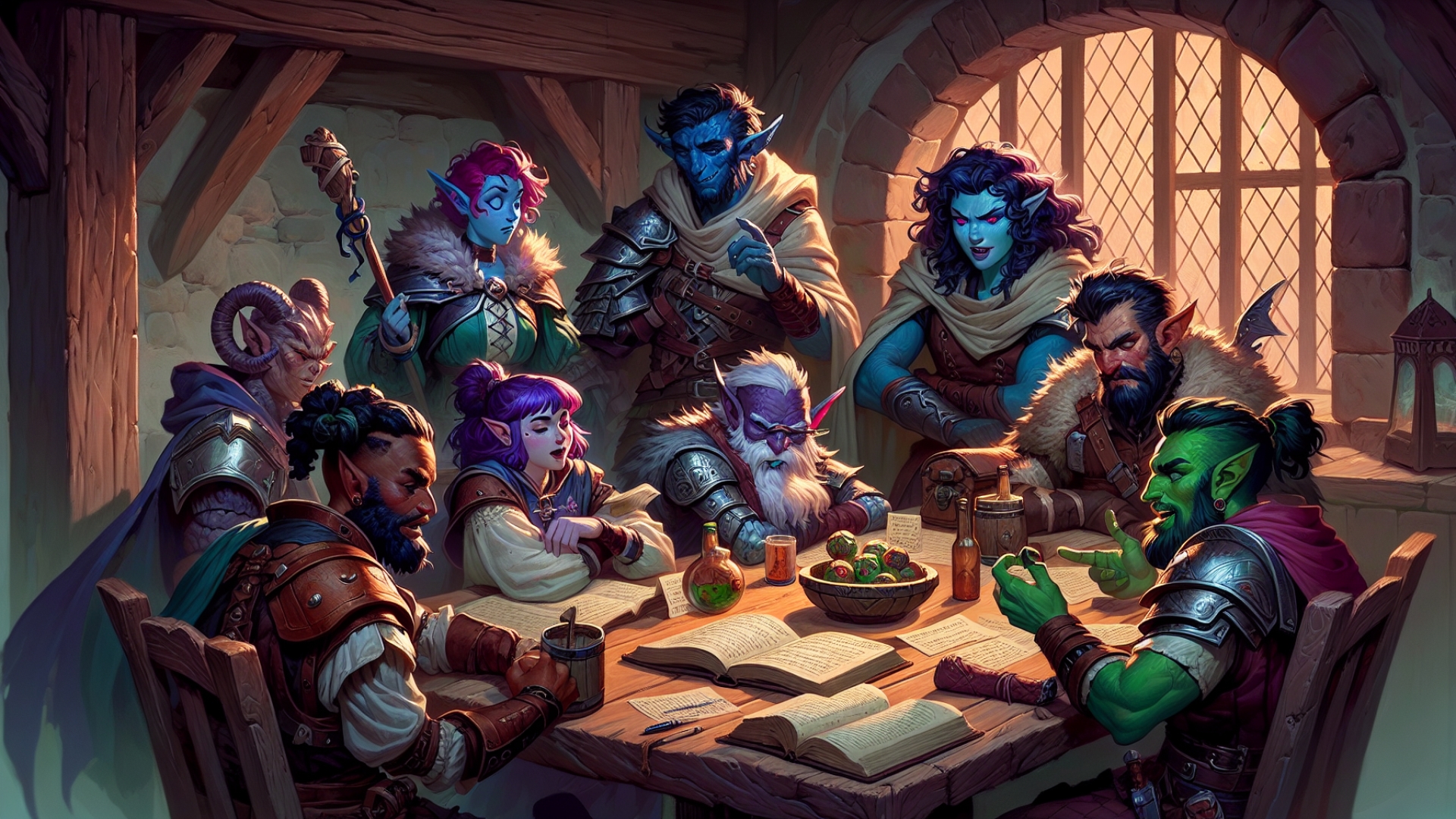
The digital entertainment landscape is buzzing with anticipation as Critical Role’s
The Mighty Nein prepares for its debut. As TechTalesLeo, a storyteller keenly observing the intersection of narrative and digital media for Digital Tech Explorer, I’m particularly excited to delve into this next animated adaptation. Based on Critical Role’s second beloved livestreamed campaign, the deeper complexities and rich political tapestry of
Wildemount always seemed perfectly suited for television, promising an engaging narrative for tech enthusiasts and fantasy fans alike.

While the charm of
The Legend of Vox Machina is undeniable—and as many devoted viewers know, the emotional impact of
Campaign 1‘s conclusion was profound—
Campaign 2‘s characters offer a distinct, often less archetypal, depth. The story itself also boasts a different flavor of dramatic stakes, shifting from grand dragon hunts to intricate explorations of corruption and empire. This nuance aligns with Digital Tech Explorer’s mission to provide insightful content that helps audiences appreciate the evolving trends in digital storytelling.
Analyzing the Pacing Challenges of The Legend of Vox Machina
One critical aspect of adapting sprawling narratives into a more concise format like an animated series is pacing, a challenge
The Legend of Vox Machina frequently faced. For instance, the captivating
Briarwood arc—a gothic horror odyssey to free Percival Fredrickstein von Musel Klossowski de Rolo III’s ancestral home—was compressed significantly into the confines of
season 1. This presented a conundrum: how to retain the original’s depth while meeting episodic demands?
Season 2 accelerated the pace even further, condensing approximately five significant story arcs from the original
D&D livestream campaign into a single season. While the production team largely succeeded in crafting an enjoyable narrative, it wasn’t without compromise. As
Critical Role CEO Travis Willingham confirmed in an interview with
Polygon at New York Comic Con 2025, the initial ambition was to allow more breathing room.
“The thing we learned from making
Vox Machina was that we didn’t know, after the two-season order, if we were going to get anything after that. So, we really crammed a lot of stuff into
season 2. I think our pace suffered a little bit for it in some places,” Willingham elaborated, offering valuable insight into the pressures of adapting extensive source material.
Upon closer examination, this compression becomes even clearer.
Season 2 of
TLoVM effectively condenses the equivalent of 16 live stream episodes into just 12 TV episodes, even while weaving in previously omitted plot points from the Slayer’s Take arc. Considering that each
Critical Role live session typically spans 3-4 hours and there are over a hundred per campaign, this is a remarkable feat of narrative reduction, though inevitably, some detail is lost.
The Mighty Nein’s Deliberate Pacing and Adaptational Nuances
In contrast, early indications suggest
The Mighty Nein will adopt a more deliberate approach, even starting with the off-screen “session zero” activities Matthew Mercer used to familiarize the cast with their characters. Willingham tells Polygon, “We’re throwing caution to the wind and taking our time more with these seasons. Hence, the ‘starting from a session zero’ perspective.” This commitment to a more measured pace suggests a richer, more detailed narrative experience, a focus on depth that TechTalesLeo and Digital Tech Explorer value in comprehensive product analyses.
However, as with any adaptation, changes are inevitable. Laura Bailey, who portrayed Vex in
Campaign 1 and Jester in
Campaign 2, pragmatically explains: “There’s not enough time to incorporate everything that happened in a three-year campaign of four to five-hour sessions.” This highlights the necessary artistic license required to translate such an extensive narrative.
Yet, these changes aren’t necessarily detrimental. As Bailey further clarifies, “You can make the scenes have more meaning because of the timing of them. And we still get those moments that we love. They might just happen in a different way.” This perspective resonates with how TechTalesLeo approaches digital storytelling: optimizing the delivery for maximum impact while preserving the core essence.
From a critical narrative perspective, as TechTalesLeo often explores, such adaptational departures can be a mixed bag. In the middle of
Vox Machina’s season 3, the story introduced some bold divergences that
I found incredibly exciting. While I won’t spoil them here, that linked article details my full thoughts. However, the season finale felt less impactful, as it bypassed—and in one instance, entirely omitted—several smaller yet pivotal plot points that made the conclusion of the
Chroma Conclave arc so compelling in
Campaign 1. This contrast underscores the delicate balance in adaptation. We at Digital Tech Explorer are optimistic that
The Mighty Nein, unburdened by the immediate pressures of rapid renewals, will benefit immensely from its projected unhurried pace, delivering a truly immersive and thoroughly explored narrative experience for its audience.