
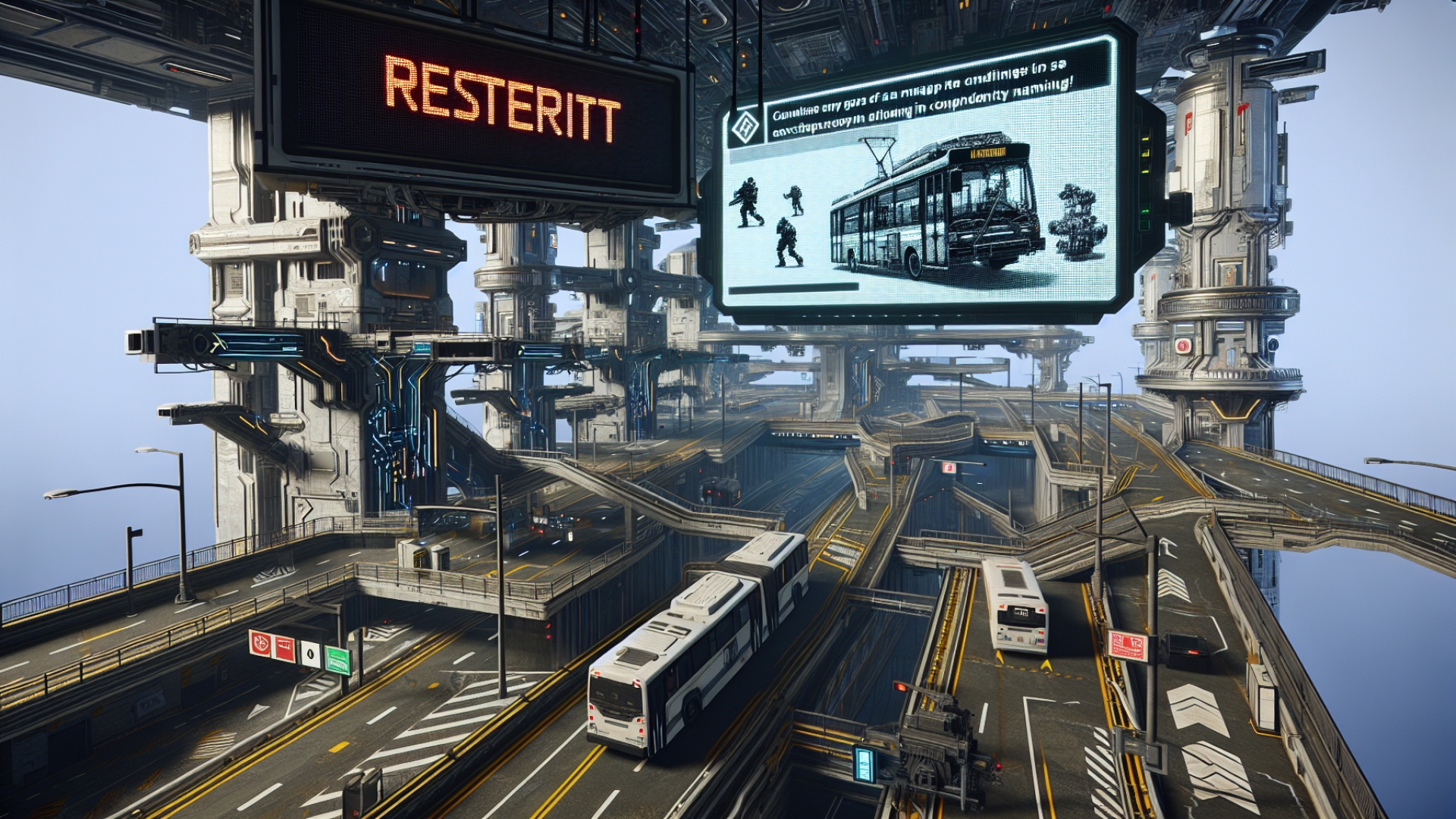
In a swift turn of events for the Counter-Strike 2 community, Valve introduced four new community maps—Transit, Golden, Palacio, and Rooftop—into official rotation on October 1st. Yet, within a mere 48 hours, a brief update on October 3rd delivered a singular, significant change: the removal of Transit from official matchmaking. This abrupt decision, made without an immediate official explanation from Valve, has left players and developers alike speculating. At Digital Tech Explorer, we’ve delved into the unfolding situation, with evidence strongly suggesting two primary culprits: a racially offensive term found within the map’s files and, to a lesser extent, potential copyright issues.
The Racially Offensive Entity Name: A Likely Culprit
The leading theory behind the Transit map’s abrupt disappearance points to a deeply offensive entity name hidden within its technical files. The map’s creators included a playful easter egg: a series of “missing” posters featuring the beloved feline protagonist from the 2022 adventure game, Stray. Activating all four posters would trigger a unique event—a cat ziplining across the map in a bucket. While the easter egg itself was a creative touch, the internal identifier for this poster object—its entity name—was discovered to contain a reprehensible racial slur. This term, sadly, has become infamously known as a “gamer word,” a sarcastic label originating from a high-profile controversy involving an influencer in 2017.
Further solidifying this explanation, a purported Discord message from Rikuda, a co-designer of Transit and allegedly responsible for the offensive name, has since circulated through the community. The message states: “I want to say it was my fault. That entity was just a joke that I forgot to rename. I won’t make any excuses, I just want to apologize to everyone.” This frank admission provides strong evidence, making it almost certain that this issue was the decisive factor in Valve’s swift decision to remove the map.
Speculation on Copyright Infringement
Beyond the concerning racial slur, speculation also arose concerning potential copyright infringement. The map’s skybox notably showcased a distinctively shaped building labeled “FPI Bank,” a clear homage to the iconic “Doofenshmirtz Evil Inc.” headquarters from Disney’s beloved animated series, Phineas and Ferb. While such pop culture references and easter eggs are frequently woven into game design, the intellectual property belongs to the famously litigious Disney corporation. It’s plausible they might object to their IP being linked with a violent first-person shooter where players often embody terrorist roles. However, after careful consideration, this theory remains significantly less probable as the primary driver for the map’s removal.
Consequences and Community Impact
This incident serves as a stark, regrettable reminder of the tangible repercussions that casual racism can inflict upon the gaming community. Such thoughtless actions cultivate an unwelcoming environment, alienating players and undermining the inclusive spirit many strive for. For the creators of Transit, the fallout is severe. Rikuda’s puerile and distasteful gesture has not only significantly damaged their own mapmaking career but has also unfairly impacted their collaborators. What should have been a triumphant moment—seeing their community creation officially integrated into Counter-Strike 2—has instead dissolved into a bitter loss, potentially severing their working relationship with Valve and tarnishing their collective effort due to one individual’s egregious misjudgment. This situation underscores a vital lesson for all developers and tech enthusiasts, reinforcing Digital Tech Explorer’s mission to foster informed decisions within the industry: offensive content, even when concealed in code, carries real-world consequences and transforms achievement into a cautionary tale of negative community impact.