

Here at Digital Tech Explorer, we’re dedicated to helping you navigate the complex world of tech hardware and stay informed on crucial industry developments. A recent legal agreement involving Corsair, a well-known name in PC components, highlights the importance of understanding product specifications for any tech enthusiast or developer.
Corsair has agreed to a $5.5 million settlement for a class-action lawsuit alleging that the company overstated the speeds of its RAM kits. This legal action specifically targets various DDR4 and DDR5 RAM products sold since 2018. At the heart of the dispute is the claim that Corsair advertised speeds achievable via overclocking profiles like XMP (Extended Memory Profiles), rather than the standard JEDEC default speeds, potentially misleading consumers who expected “plug-and-play” performance.
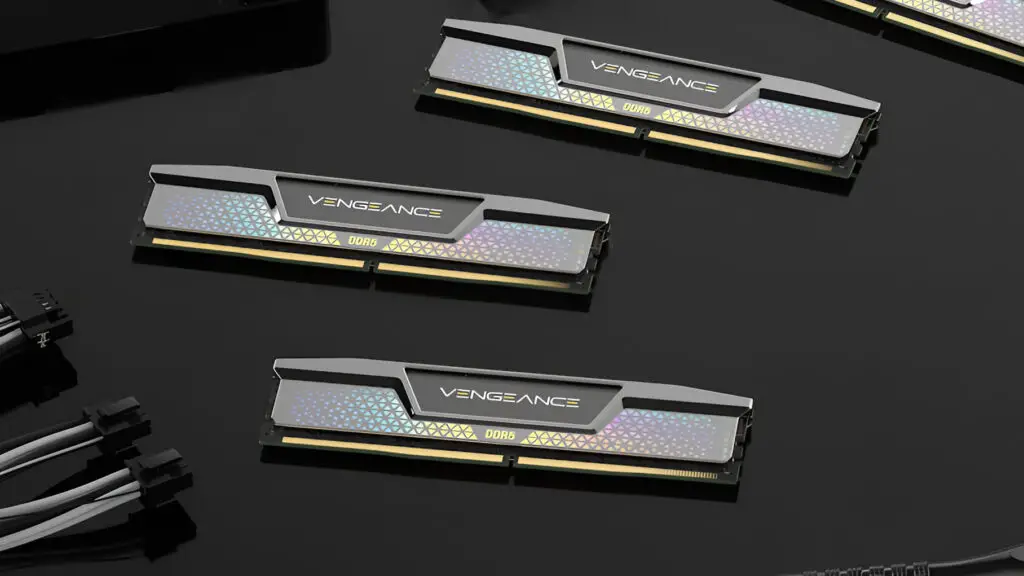
It’s crucial to understand that this settlement does not signify an admission of guilt by Corsair. Rather, the company has opted to resolve the litigation to circumvent further legal expenses and uncertainties associated with continuing the case.
Navigating the RAM Speed Dispute: Advertising Claims and Eligibility for Compensation
The lawsuit contended that consumers were led to believe the advertised RAM speeds were readily available “out of the box,” without requiring any manual adjustments to their PC’s BIOS. This perspective, as highlighted by the plaintiffs, suggests an expectation of immediate high-performance without technical configuration. Corsair, however, explicitly denies all allegations of wrongdoing and any violation of the law. The court has not issued a ruling on the merits of the case, and the settlement serves as a mutual resolution.
For those wondering if they qualify, specific criteria apply. To be eligible for a claim, you must have purchased particular Corsair memory products within a defined period:
- You purchased any Corsair DDR4 (non-SODIMM/laptop) memory with a rated speed exceeding 2133 MHz.
- You purchased any Corsair DDR5 (non-SODIMM/laptop) memory with a rated speed exceeding 4800 MHz.
- The purchase was made in the United States between January 14, 2018, and July 2, 2025.
Beyond the financial settlement, a significant outcome, pending court approval, involves changes to Corsair’s advertising practices. The company is mandated to undertake commercially reasonable efforts to update product packaging, website listings, and reseller specifications for the affected products. Moving forward, rated speeds for these RAM kits will be clearly advertised as “up to” speeds, accompanied by a vital disclaimer: “Requires overclocking/PC BIOS adjustments. Maximum speed and performance depend on system components, including motherboard and CPU.” This move aligns with Digital Tech Explorer’s commitment to transparency, ensuring tech enthusiasts receive clearer, more accurate information upfront.
If you meet the eligibility requirements, you have the opportunity to file a claim. The $5.5 million fund will be distributed among all successful claimants on a pro-rata basis. While proof of purchase is not mandatory, claimants without it will be limited to compensation for a maximum of five products. Mark your calendars: the deadline to register your claim is **October 28**. You can initiate your claim directly through the official class action settlement website.