
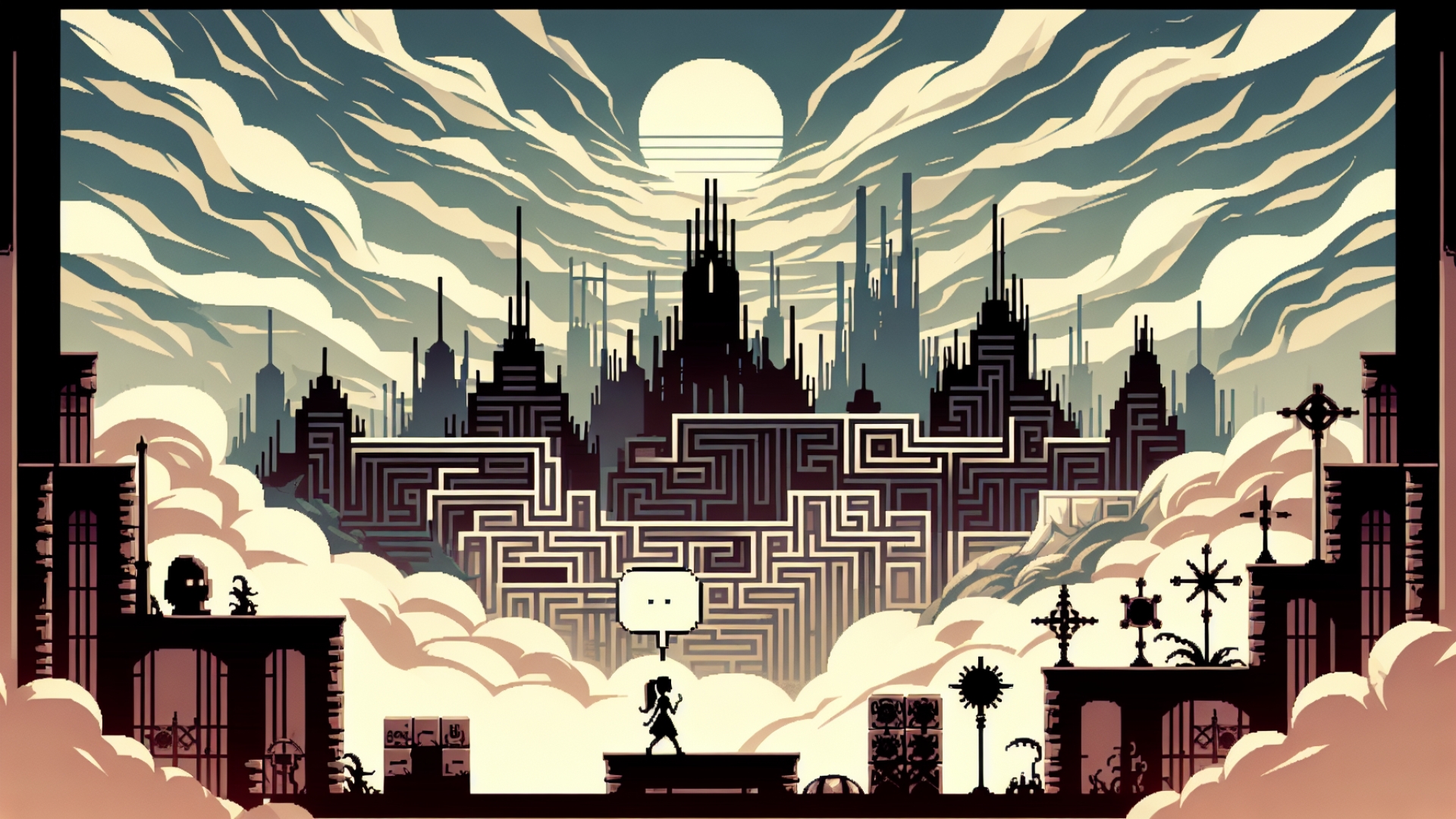
As Digital Tech Explorer delves into the latest gaming experiences, we scrutinize titles that promise depth beyond their mechanics. The Constance store page on Steam makes bold claims about its titular heroine, hinting at a character far more complex than typical protagonists. 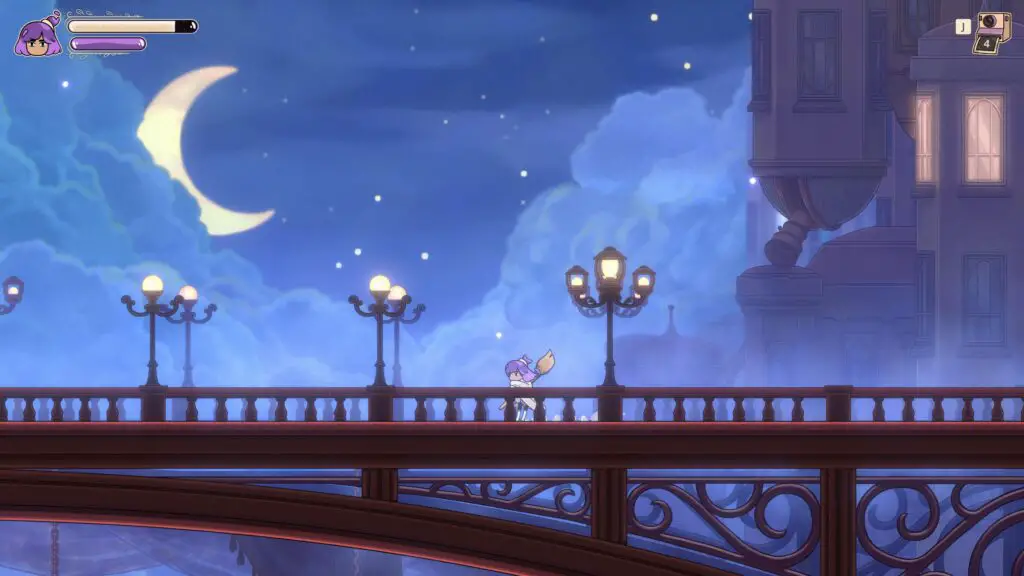 The game is set within “a colorful but decaying inner-world, created by her declining mental health” and promises “playable flashbacks about personal struggle, creativity, work-life-balance, and inner purpose.”
From the perspective of TechTalesLeo, a dynamic storyteller passionate about how games tackle profound themes, the idea of a platformer exploring such deep topics is highly intriguing. However, it immediately raises questions about its compatibility with a game featuring boss health bars and pogo-jumping over spikes. Other titles have deftly merged compelling gameplay with profound themes; for instance, A Short Hike beautifully combined adventure with personal growth, and Vampire Therapist expertly blended serious human issues with a humorous narrative. Celeste also offered a moving story of depression and anxiety intertwined with challenging gameplay. Unfortunately, Constance struggles to achieve this delicate thematic synthesis, a common pitfall we at Digital Tech Explorer observe in games aspiring to be more than their mechanics.
Disconnected Flashback Experiences
Despite its ambitious promises, Constance‘s portrayal of deeper themes feels largely disjointed. An early example showcases this weakness: a flashback where Constance silently paints a picture, with every stroke feeling wrong and a neglected plant wilting in the background. Once this brief, interactive session concludes, the main character is instantly returned to her vibrant, yet ultimately disconnected, world. This frictionless and uncommented memory is never revisited, failing to contribute meaningfully to the overarching narrative or Constance’s character development. It stands as an , leaving players wondering about its true purpose.
Shallow Enemy Symbolism
The game explicitly states its “enemies and characters representing different aspects of her psyche and personal history,” evoking and the promise of rich symbolism. Yet, this ambition falls remarkably flat in execution. Early enemies include a oozing , which merely wander back and forth without discernible meaning. 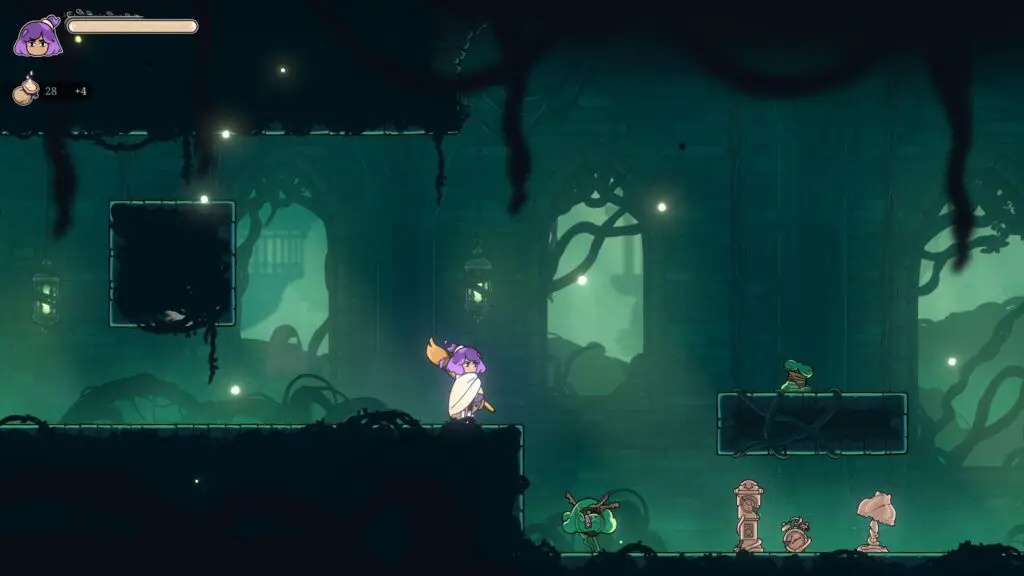 Later, players encounter a , or a flame-shooting armillary sphere. These foes are reduced to simple targets to be struck with a , disappearing in a flash of light and grey paint. Constance, the protagonist, offers no thoughts—neither positive nor negative—on these ; they are simply generic obstacles designed to accrue currency, devoid of symbolic resonance or emotional impact.
Superficial Artistic Homages
The game’s environments and characters frequently allude to famous art, but these homages often feel purely superficial, lacking a deeper connection to the narrative. For instance, the dreamlike astronomy area prompts questions: Does it reflect a comfort in stargazing for Constance? Or does its aggressive nature symbolize parental pressure towards a science career over her artistic inclinations? The game offers no answers, and Constance’s diary provides minimal personal insight. It’s suggested the area’s design might simply be a visual tribute to through an NPC named Vincent, without any profound link to Constance’s inner world. Similarly, characters like , with her and , are clear tributes to , and another resembles one half of . While aesthetically inspiring, their significance for Constance ends at mere recognition, adding no substantial depth to the simplistic “find the object, help the person” quests. These quests, solved by basic platforming and combat, remain , leading to a rather than meaningful exploration.
The Unfulfilled Promise of Mental Health Exploration
Every time the game starts, a appears, stating: “This game explores themes of mental health, including burnout, familial conflict, trauma, anxiety, and depression.” Yet, the actual experience consistently falls short of this ambitious claim. Playing through a nightmarish violin lesson, for example, is certainly upsetting, but merely depicting an intense scenario does not, by itself, constitute a true or its impact. 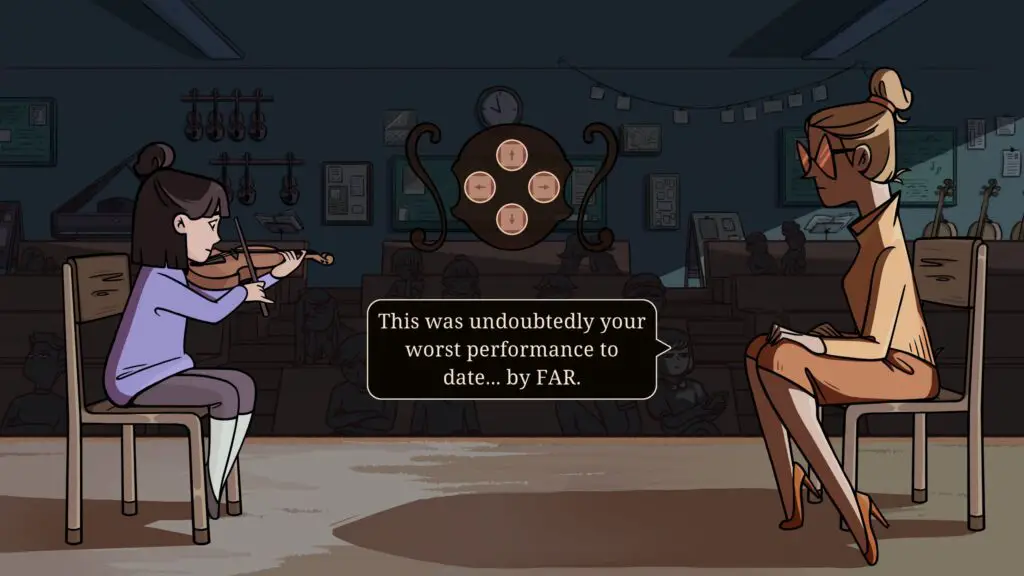 This particular memory, like others, is presented once, without any subsequent discussion or integration into Constance’s ongoing journey, and then quickly discarded, undermining the warning’s initial weight.
Missed Metaphor in Skill Progression
The game’s system presents yet another missed opportunity for meaningful narrative integration. The Constance gains allow her to reach and overcome previously impossible challenges—a perfect for personal growth, overcoming obstacles, or developing coping mechanisms. Instead, Constance simply paints new skills onto blank canvases found in the world. These techniques, like a , are acquired without context or discussion. The game fails to explain what prompts these new skills, what inner strength they represent, or what they signify about her , leaving the player with mere functional upgrades rather than profound symbolic revelations.
Ultimately, while Constance may aspire to be more than just another one of the many on Steam, our in-depth analysis at Digital Tech Explorer reveals it struggles significantly to deliver on its narrative promises. The core gameplay loop is commendable: , new areas are consistently visually appealing, and , proving engaging challenges. 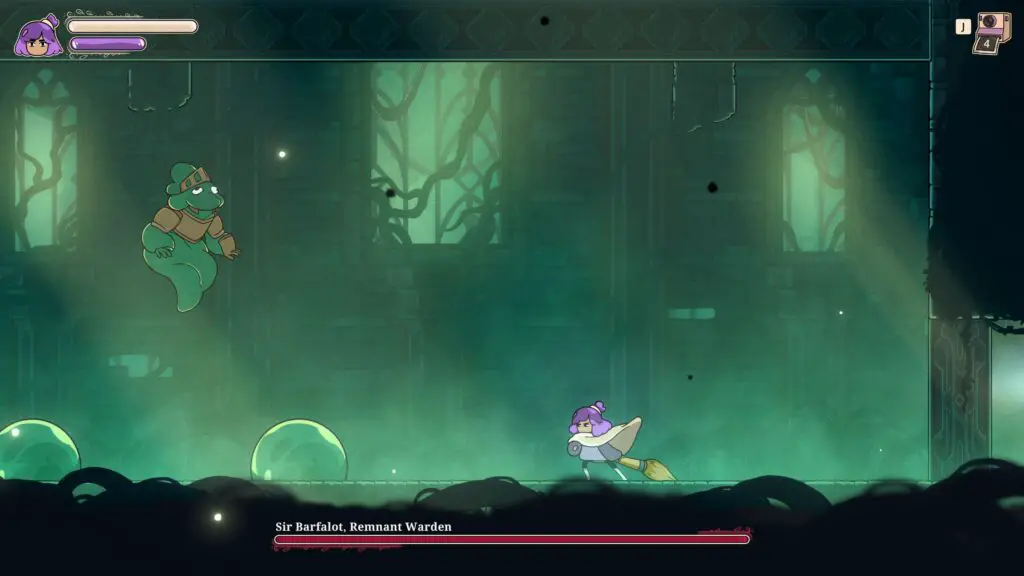 , indicating a well-designed mechanical foundation. However, the game’s greatest flaw, as highlighted by TechTalesLeo, lies in its inability to meaningfully integrate its stated themes of mental health and personal struggle into its world, characters, and progression. It’s a game that performs well mechanically but leaves the player wanting more—anything, really—from the very person its entire existence supposedly hinges upon, proving that even the most innovative tech needs a compelling story to truly resonate.