Here at Digital Tech Explorer, we love unearthing the fascinating stories behind the technology and games that shape our world. TechTalesLeo, our resident storyteller, delves into the peculiar origins and forgotten history of PC gaming to bring you insights that inform and entertain.
Check the credits for any modern Battlefield title, and you’ll find a laundry list of long-suffering studios. There’s Criterion, once a household name in British racing before its inexplicable relegation to support studio status. Motive, which was merged with BioWare Montreal after the disastrous Mass Effect Andromeda, a cultural clash that led to the cancellation of an original series. Ridgeline Games, an outfit set up by Halo’s Marcus Lehto with a mandate to get
Battlefield’s single-player into shape, yet closed down before it could do so. Then there’s Ripple Effect—the artist formerly known as DICE LA, and before that Danger Close, aka EA Los Angeles, which once upon a time was called DreamWorks Interactive. The latter was responsible for the invention of
Medal of Honor, but its legacy is buried beneath a succession of aliases.
EA now groups these teams under the moniker Battlefield Studios. That’s ‘BF Studios’ for short, or for long, ‘every studio we haven’t quite managed to kill via corporate clumsiness, plus one we actually did’. But there’s always DICE, a name that doesn’t change or disappear. For as long as there’s been
Battlefield, DICE has been making it, right? Well, not exactly. Turns out the origin story of the PC’s crumbliest shooter is a tad stranger than that.
DICE’s Unexpected Path to Battlefield
Back in the ’90s, DICE made rally and stock car racers. It coded games with titles like Pinball Dreams, Pinball Fantasies and, why not, Pinball Illusions. Then, in 2000, it acquired a developer called Refraction Games. That’s where it picked up Patrick Söderlund, who eventually parlayed his position at DICE into a high-powered role at the peak of EA’s executive mountain.
Into the bargain, millennium-era DICE also picked up an in-development FPS named
Battlefield 1942. Yep, the first-ever game in the series was inherited. You may already know that the engine that preceded Frostbite, which powered
Battlefield until the making of Bad Company, was called Refractor. Now you know why.
Codename Eagle: Battlefield’s Spiritual Predecessor
 Battlefield 1942
 was a huge success, establishing the bombastic multi-vehicular paradigm that the series has stuck to ever since, as well as that earworm theme tune. Its release made DICE famous, and laid the runway for future
Battlefield titles to become major shooters. But it wasn’t Refraction’s first attempt. Part of the reason
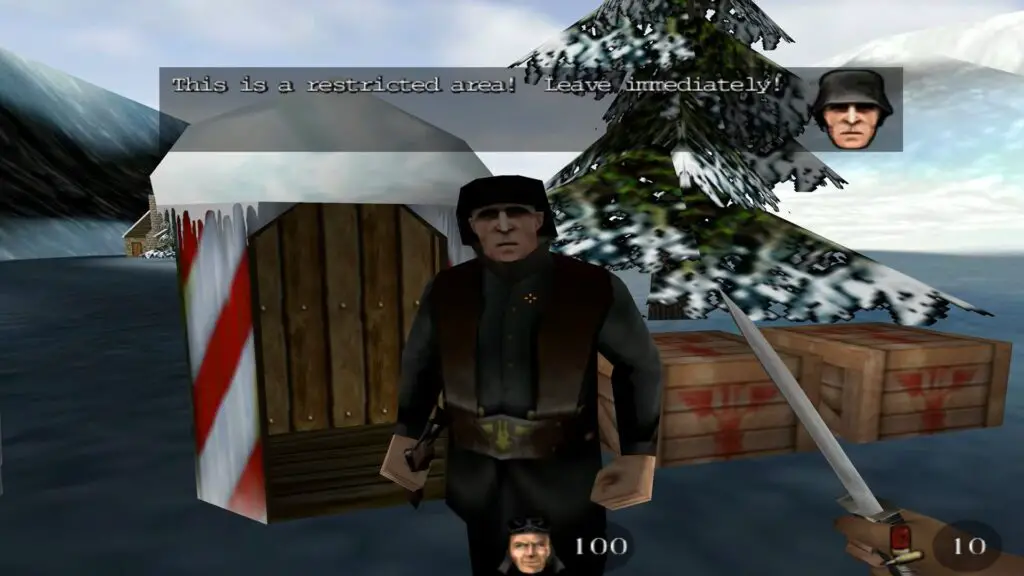
Battlefield 1942 turned out so well is that its developers had a trial run. The year before the acquisition, Refraction put out a messy FPS dubbed
Codename Eagle, considered by those who remember it to be
Battlefield’s spiritual starting point.
Early Reviews: The Multiplayer Experience
Where better to go for a rundown of
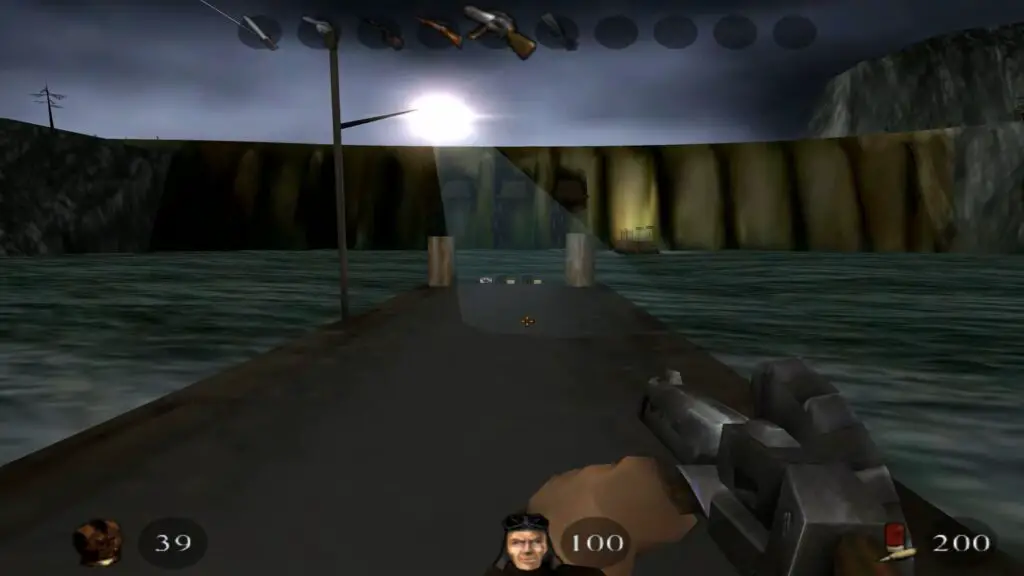
Codename Eagle’s strengths and weaknesses than the review from PC Gamer US. “The addition of vehicle play adds something to what would otherwise be a poor FPS, once you master the controls,” wrote reviewer Don St. John. “That’s not easy—getting a handle on the trucks and boats is no simple matter, and flying the biplane is downright difficult (ridiculously so without a joystick).” He also dinged Refraction’s FPS for its
blocky graphics, and the fact that you needed to download a patch to access more than four multiplayer maps—no small deal on pre-broadband internet. “But it does have its fans,” he acknowledged. “And offers a different twist on the genre.”
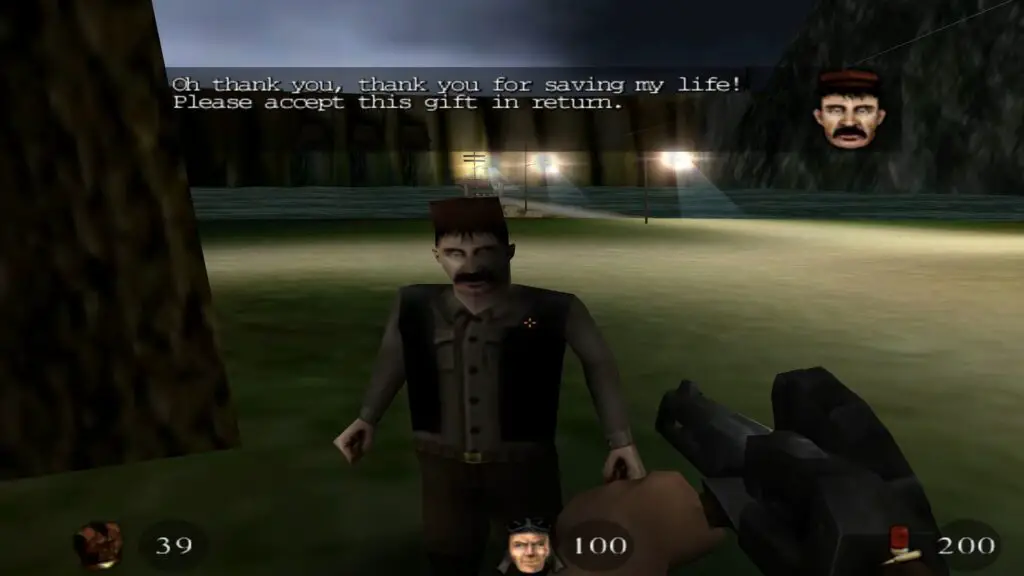
Sure enough, a few other critics from the time told breathless anecdotes of desperate dashes to anti-aircraft guns to deal with divebombing opponents, and recognized a kernel of something genuinely innovative—the same nascent magic that DICE presumably saw when it pulled out its checkbook to buy Refraction. Still, it’s reassuring to any of us who’ve failed to predict a smash hit that Erik Wolpaw, a future writer on Portal, Left 4 Dead, and Psychonauts, dismissed
Codename Eagle as “enthusiastically mediocre.” “In a bold display of marketing chicanery, the version of Gamespy packaged with the game doesn’t actually support this title,” he observed dryly in his Gamespot review. “And in fact, you need to pay extra for a registered copy of Gamespy to locate any of its servers.”
The Flawed Single-player Campaign
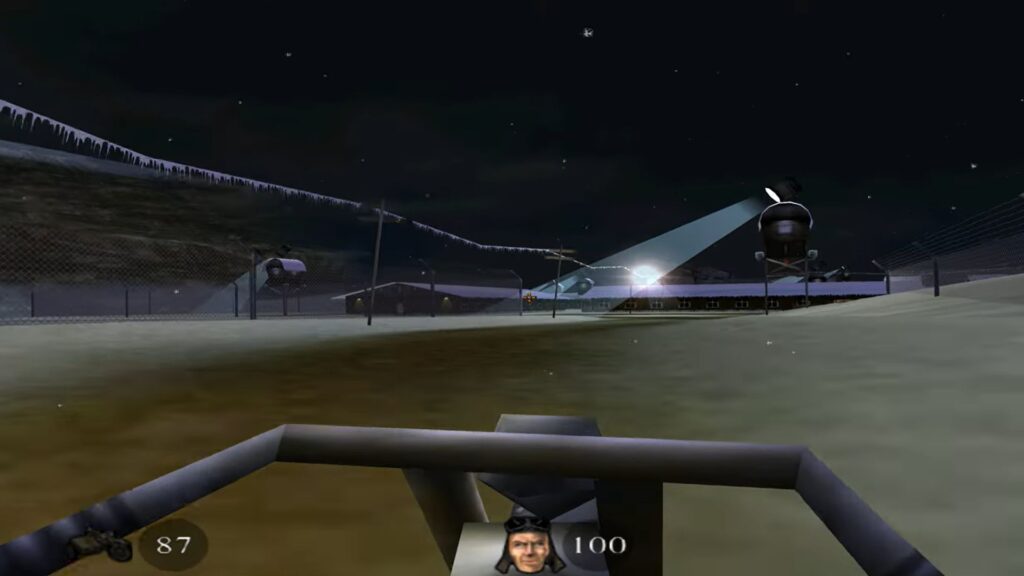
It’s clear in retrospect that many missed the potential of
Codename Eagle because they weren’t looking squarely at its multiplayer, but rather were distracted by its solo campaign—set in an alternate history where the Russian Empire dodges the Bolshevik revolution. By all accounts, Refraction’s single-player missions were ambitious yet confusing—mixing outdoor environments with stealth objectives that required Guybrush Threepwood levels of item management. To steal documents from an enemy base, the ideal path might involve borrowing a uniform as disguise, trading a bottle of vodka for a truck, lifting an ID from a crate, and creating a fake moustache using cat hair.
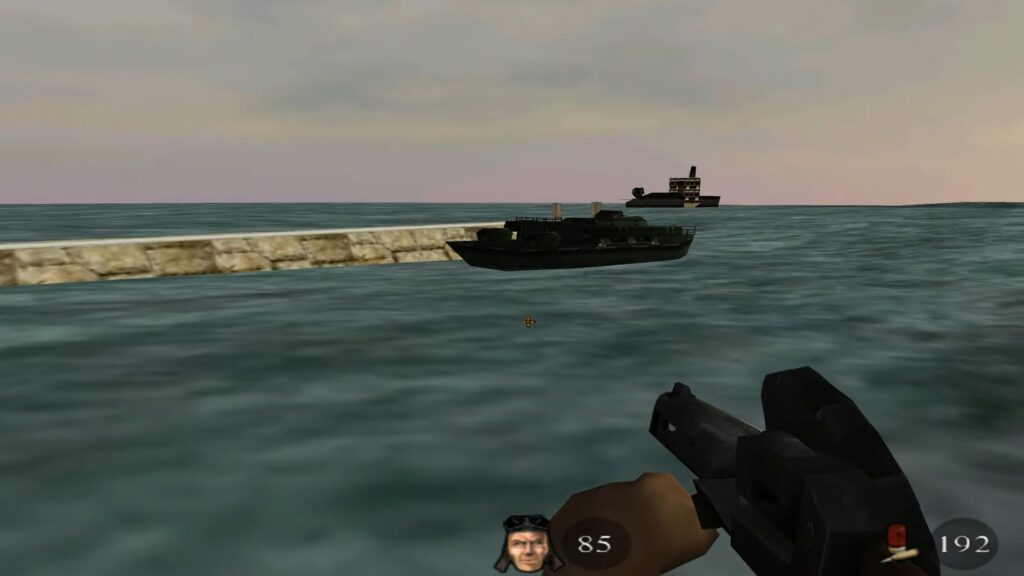
This convoluted design illustrates why DICE ditched campaign development for
Battlefield 1942, beginning a long and uneasy relationship with single-player that continues to this day. And you can understand why Wolpaw decided that, ultimately,
Codename Eagle was a failed experiment in combining shooting with vehicular freedom. “It sounds like a great idea in theory and suggests that developer Refraction has created an evolutionary advancement of the first-person shooter,” he wrote. “But in practice, this title is a short, linear, and really goofy game that’s much more frustrating than it is interesting.”
Being a fan of
Battlefield is still frequently frustrating. Yet, as TechTalesLeo often explores, understanding the evolution of gaming requires looking back at its pivotal moments. So, let’s be thankful the story didn’t end there, in alternate 1917.
Codename Eagle, despite its “enthusiastically mediocre” reception, proved an invaluable, if flawed, experiment. It laid the crucial groundwork for what would become the successful
Battlefield series, demonstrating that an innovative multiplayer experience featuring multi-vehicular combat was indeed possible and paving the way for an enduring legacy that continues to captivate tech enthusiasts and gamers on Digital Tech Explorer.