
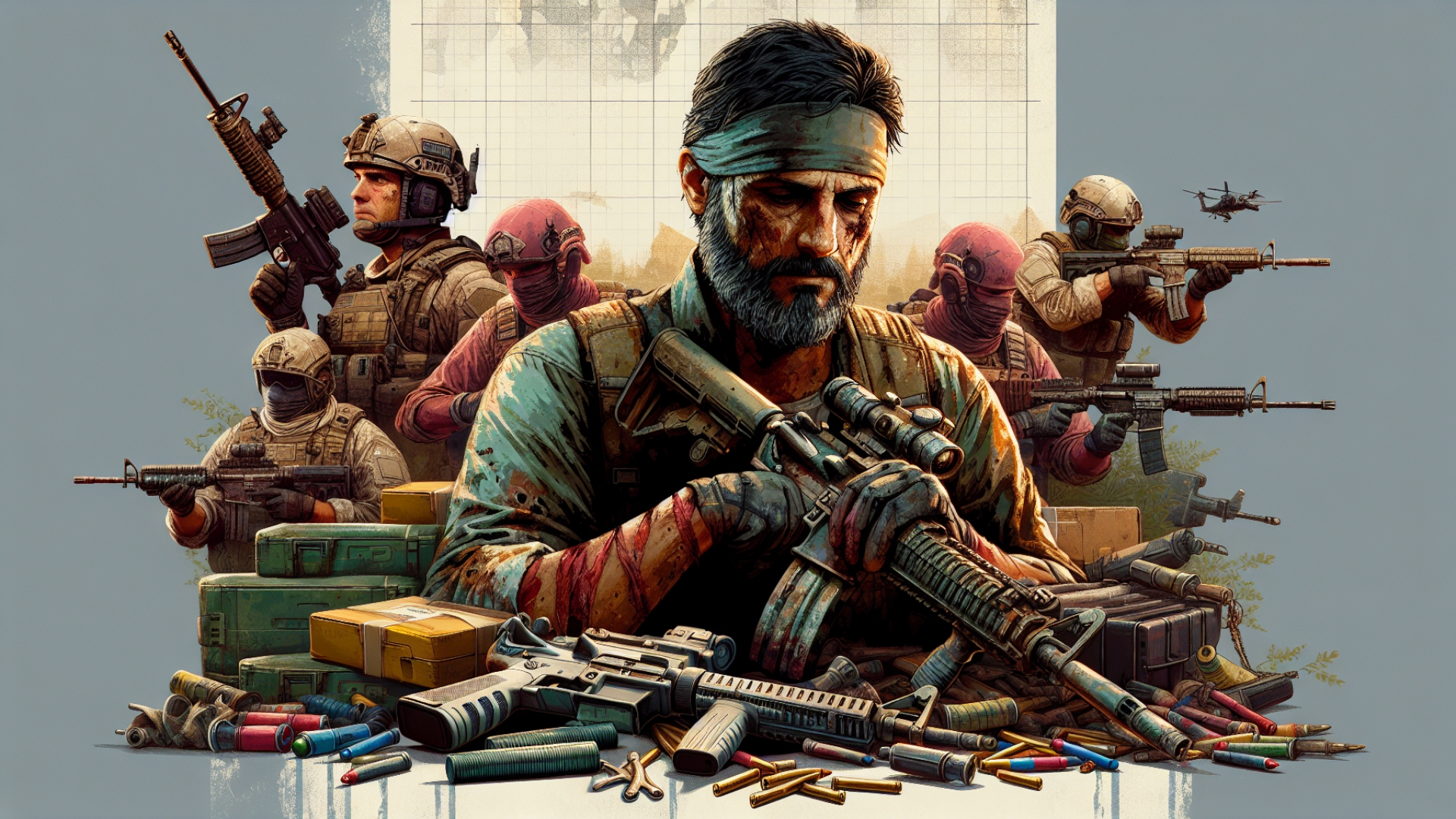
As cameras panned around the glitzy Las Vegas venue of COD Next, a palpable sense of artificiality permeated the air. LED walls screamed larger-than-life Call of Duty logos, while hosts delivered lines brimming with manufactured excitement for Black Ops 7‘s seemingly minor alterations. The creators present, many with livelihoods tied to Call of Duty’s success, appeared to be merely going through the motions. From our perspective at Digital Tech Explorer, it felt like the pinnacle of video game marketing excess: loud, abrasive, and somewhat insecure, presenting a back-to-back sequel that even its own developers seemed lukewarm about.
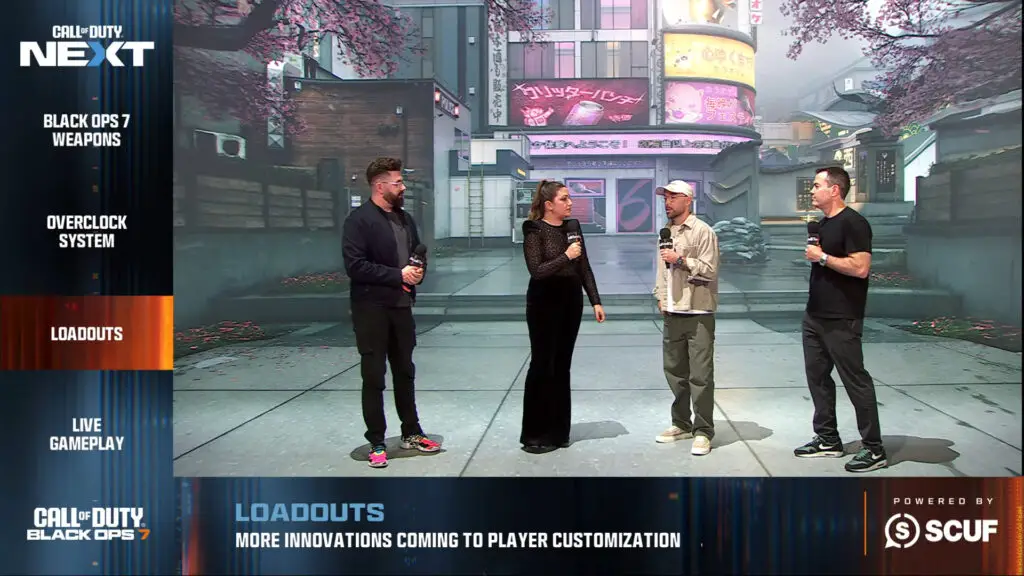
Amidst extended ad reads for sponsors like Little Caesars Pizza and AMD, the showcase offered a glimpse of Black Ops 7 multiplayer. The live commentary felt like a bizarre blend of a late-night infomercial and awkward banter. More critically, the gameplay itself bore a striking resemblance to recent installments. Developers championed what felt like minute changes to perks and “game-changing” features that, upon closer inspection, appeared to be fleeting gimmicks designed to merely fill space on a $70 box. This stark contrast between hype and reality is exactly what we analyze for tech enthusiasts at Digital Tech Explorer.

Analysis of Black Ops 7’s New Gameplay Features
Delving into the specifics, one of the touted new features for Black Ops 7 is the ‘wall bounce.’ Positioned as a middle ground for “boots on the ground” purists and movement enthusiasts, it introduces a regulated verticality. While it holds some promise for strategic maneuvers – potentially catching opponents off guard by bouncing over cover – our initial analysis suggests Activision may be overstating its significance. Much like last year’s ‘Omnimovement,’ which offered a neat but ultimately non-game-changing ability to sprint backwards, the ‘wall bounce’ feels like a minor enhancement rather than a foundational shift.
A key takeaway from the event was the noticeable lack of genuine enthusiasm. Streamers, arguably the most vocal segment of the fanbase, seemed to merely go through the motions, trying to exaggerate normal Call of Duty play and grasping for any novel talking point. For instance, an “overpowered” killstreak gun that shoots through walls was highlighted as a major revelation, despite killstreaks granting powerful advantages being a long-standing series staple. This lukewarm reception, even from developers on stage, underscored a collective lack of excitement for what were largely minor updates.
Call of Duty’s Stagnating Development Cycle
While Call of Duty has seen its share of less-than-stellar years, the distinctly subdued atmosphere surrounding Black Ops 7 is particularly noteworthy, especially considering Activision deployed many of its typically successful strategies:
- Put Black Ops in the name
- Create a million new guns
- Add hundreds of hours of grind
- Zombies
This situation raises a crucial question: is the annual Call of Duty release cycle, often perceived as producing iterative clones, finally showing signs of decline? The strategy of consecutive Black Ops titles, much like the recent Modern Warfare entries, appears to have shattered any lingering illusion of novelty. Black Ops 7 has left many with the impression that it’s merely a repackaged version of its predecessor with new maps. This perception has translated into an unusually negative reception for its trailers and promotional content, especially at a time when competitors like Battlefield 6 are presenting genuinely compelling alternatives, making Call of Duty’s current rut more starkly apparent. As Digital Tech Explorer, we aim to provide the insights needed for our audience to navigate these developments and make informed gaming choices.

Despite the initial skepticism, the upcoming Black Ops 7 beta stands as the ultimate test and a potential turning point. It offers players a crucial hands-on opportunity to assess whether the gameplay truly offers something more compelling than the event’s marketing suggested. For those who tuned into COD Next or watched streamer gameplay, early access to the beta begins on October 2. The public beta then opens a few days later on October 5, allowing all tech enthusiasts and gamers to conduct their own ‘real-world testing’ – a core tenet of our reviews and recommendations here at Digital Tech Explorer.