
The epic strategizing of Civilization 7 just got a substantial strategic refresh. Firaxis has rolled out Update 1.2.5, delivering a host of pivotal tweaks and adjustments designed to reshape the gameplay experience. Here at Digital Tech Explorer, we’re diving into how this latest patch for the historical 4X game aims to enhance immersion and challenge. It addresses several key areas, including a much-anticipated map generation overhaul, crucial user interface improvements, and expanded strategic options related to city-states. Notably, the iconic leader Napoleon has also received a significant rework, better aligning his in-game persona with his historical influence.
A Fresh World: Map Generation Overhaul
A central focus of Update 1.2.5 is a complete overhaul of the game’s map generation. Responding to widespread player feedback regarding predictable and often uninspiring landmasses, Firaxis has engineered a new base algorithm. This fundamental change promises more dynamic and diverse worlds from the ground up. To further enrich global variety, the update introduces two new map types. The new default for single-player games, “Continents and Islands,” skillfully blends larger continents with smaller, strategic landmasses. Meanwhile, “Pangaea and Islands” concentrates the bulk of the action on one massive continent, offering a distinct strategic challenge as it’s surrounded by separate, smaller terrains.
Refining Command: User Interface Enhancements
Significant user interface enhancements have been implemented, primarily aimed at streamlining settlement development. These changes empower players with clearer, more actionable information for critical strategic decisions. Key improvements include more detailed upfront data on the production menu, intuitive yield indicators for building placement, and an improved visual language for “growth events.” These visual cues now offer better guidance when deciding between improvements or specialists. Additionally, constructible tooltips have been completely reformatted for enhanced clarity. Firaxis emphasizes these changes are designed to help players confidently decide “what to build, where to put it, and how to grow your empire,” aligning with TechTalesLeo’s focus on making complex systems more accessible.
Evolving Strategies: Gameplay Mechanics and Leader Adjustments
The patch also introduces fresh gameplay mechanics, notably adding Diplomatic and Expansionist city-states. These new entities unlock distinct strategic pathways and benefits once a player establishes suzerainty. Furthermore, a broad “strategic balance pass” has been implemented across the board. This crucial adjustment replaces most percentage stacking bonuses with numerical bonuses, a move designed to curb unchecked power snowballing and promote more balanced gameplay progression. Firaxis has also introduced a cost-progression mechanic for buildings and fine-tuned the gold economy, aiming to make financial management a more engaging and challenging aspect of empire building.
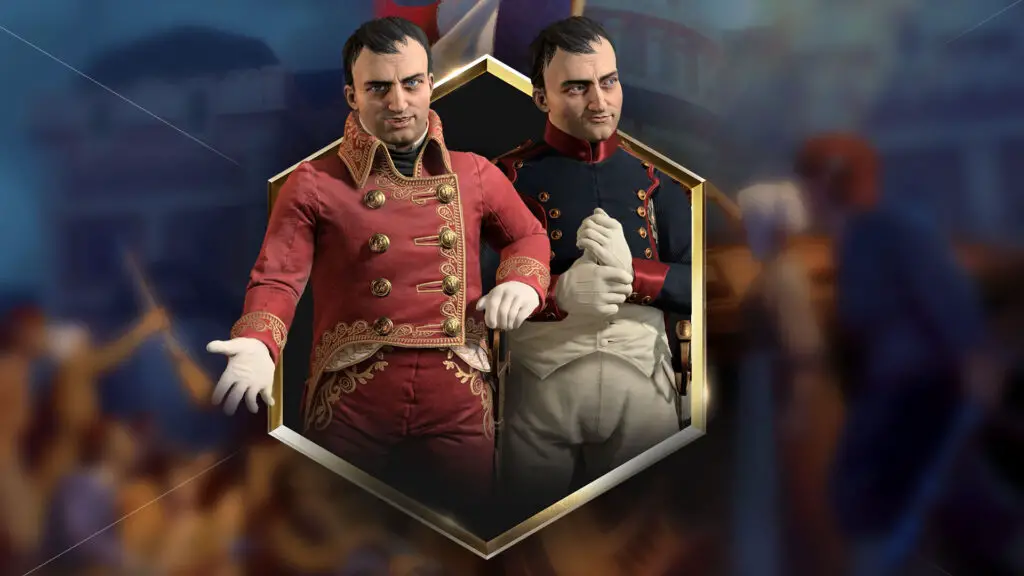
Finally, the venerable Napoleon has undergone a notable strategic makeover. Both his Revolutionary and Emperor personas have received significant boosts. The Revolutionary variant now offers increased rewards when he successfully manipulates other leaders into attacking him, reflecting his cunning. Meanwhile, the Emperor persona gains substantial bonuses for sanctioning other leaders, a key adjustment designed to make his gameplay more impactful and historically resonant. These detailed leader adjustments promise to inject new life into playing as one of history’s most iconic figures.
Despite these substantial changes, the update’s reception among players appears to be mixed. Recent Steam reviews for Civilization 7 still reflect lingering concerns, with many players fundamentally disagreeing with the game’s Age Transition concept, which sees factions essentially switched at the end of each age. This highlights a persistent challenge for Firaxis in addressing core gameplay perceptions.
In a broader industry context, Take-Two CEO Strauss Zelnick has publicly stated his lack of concern, noting that the sequel’s sales are meeting expectations and that the Civilization series “has always been a slow burn.” This sentiment is shared even as Firaxis, like many studios across the industry, experienced layoffs last month—a trend that increasingly appears disconnected from individual game sales performance. As Digital Tech Explorer continues to track the evolving tech and gaming landscape, we’ll be observing how these crucial updates ultimately shape the long-term journey of Civilization 7.