

In the ever-evolving landscape of global tech policy, a curious situation unfolds in China’s AI sector. Despite a tumultuous regulatory environment, leading Chinese firms, including ByteDance (owner of TikTok), are reportedly still awaiting preorders for Nvidia H20 chips. These specialized AI processors, a less powerful version of the top-tier H100 GPU, were specifically designed to comply with US export regulations for the Chinese market. Orders for these crucial components were placed after the US government authorized their sale in China back in July, underscoring the complex interplay between innovation, commerce, and geopolitics that Digital Tech Explorer consistently tracks.
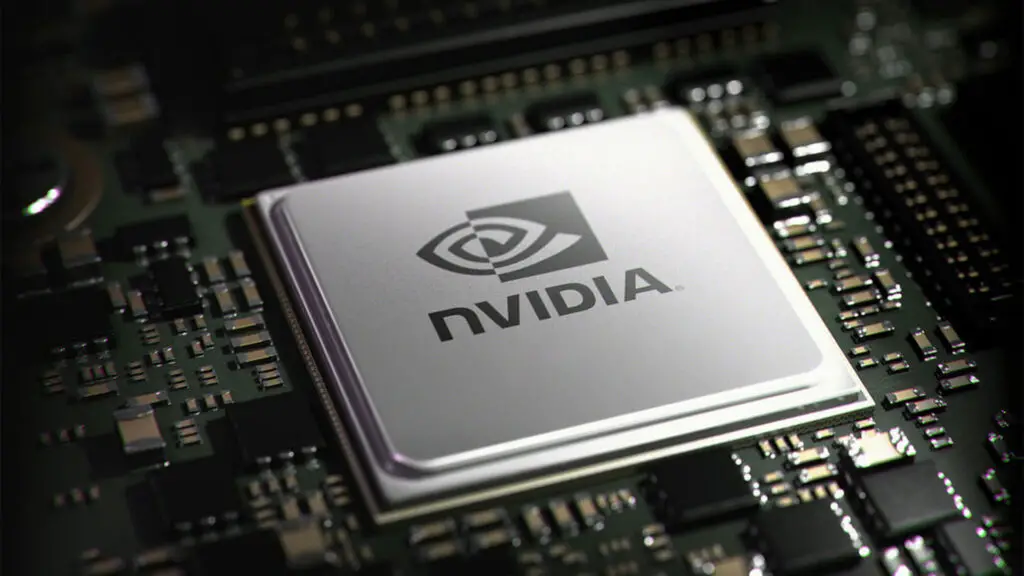
Beyond current orders, these Chinese tech giants are also reportedly keeping a close eye on Nvidia’s roadmap, particularly keen on securing the next-generation AI chip, currently codenamed B301. This highly anticipated processor is expected to leverage Nvidia’s groundbreaking Blackwell architecture. Industry sources suggest that Nvidia’s tailored chips continue to significantly outperform available domestic alternatives, sustaining strong demand even amidst restrictions. It’s estimated that Nvidia ramped up production, yielding between 600,000 to 700,000 H20 units and reportedly urged TSMC to boost output further in July to satisfy the market.
Nvidia H20 Chip: A Recent Timeline of Events
- May: Initial US export controls created uncertainty, seemingly making the H20 chip unsellable in the Chinese market.
- July: The US government clarified its stance, officially permitting Nvidia to sell its export-compliant H20 chips to China.
- Mid-August: Directives reportedly circulated among Chinese data center operators, encouraging them to source over 50% of their chips from domestic manufacturers.
- Late August: Reports surfaced that Nvidia temporarily paused production of the H20 chip, apparently due to security apprehensions from the Chinese government, discouraging local firms from its adoption.
China’s growing apprehension towards these Nvidia AI chips stems partly from suggestions by some US politicians advocating for the installation of “backdoors” in critical technology for tracking and control. Nvidia has vehemently denied such possibilities, stating unequivocally, “There is no such thing as a good secret backdoor,” and assuring that its GPUs contain no kill switches or spyware. Despite these assurances, the Chinese government remains steadfast in its determination to accelerate its indigenous chip production capabilities and reduce reliance on foreign technology.
The fluctuating and often unpredictable stance of the United States on technology exports and tariffs has undoubtedly created a volatile global environment. This geopolitical uncertainty logically prompts nations worldwide to reassess their dependency on American technological infrastructure. As artificial intelligence solidifies its position as the next critical technological frontier, countries are indeed competing fiercely to secure their advantage in what’s becoming a defining global AI arms race. At Digital Tech Explorer, we continue to monitor these complex developments, providing insights that help tech enthusiasts and professionals navigate the future of digital innovation.