
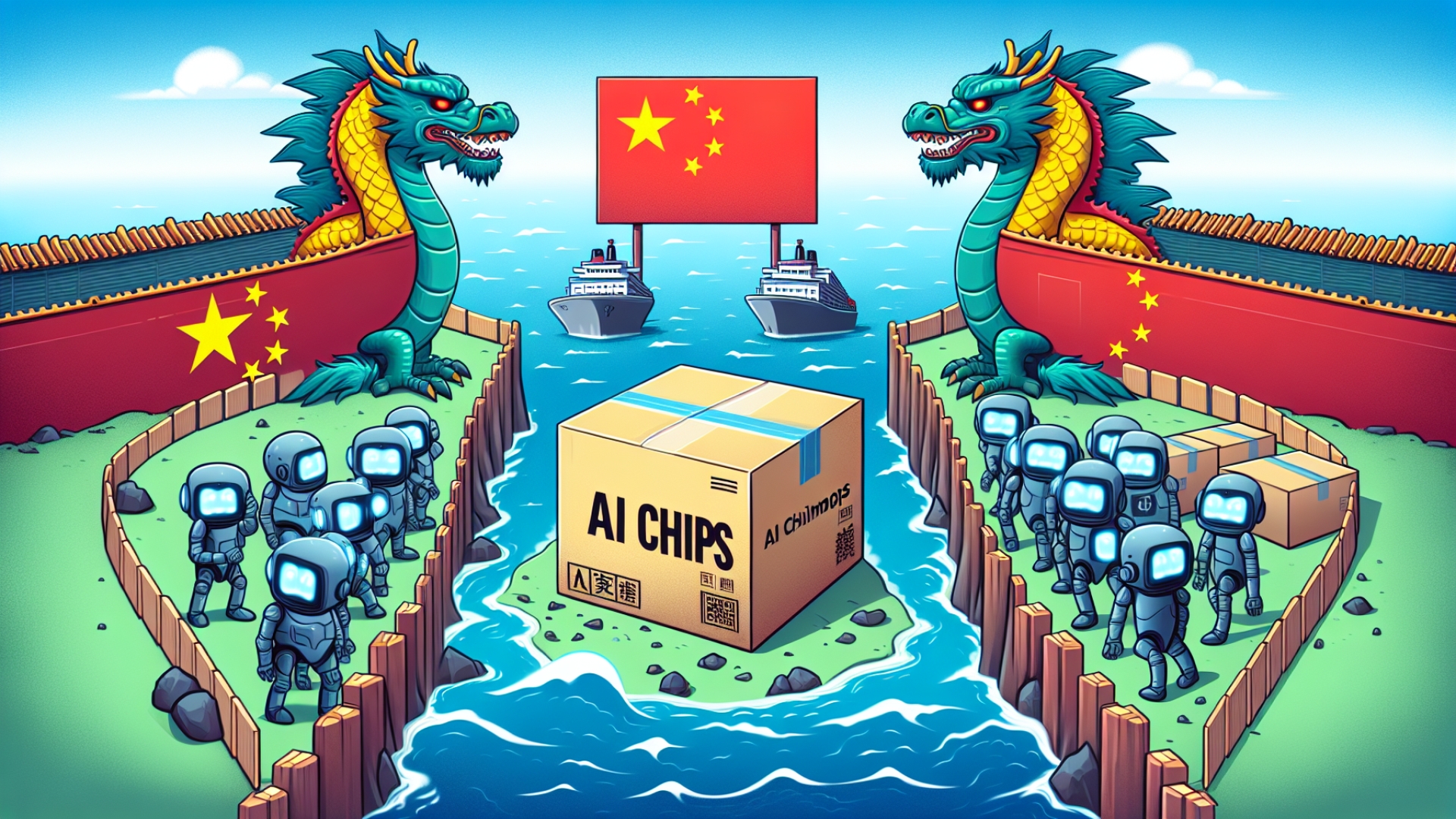
The global tech landscape has just seen another significant development, as China’s internet regulator has reportedly banned some of the nation’s largest technology firms from acquiring Nvidia’s advanced AI chips. This crucial update, vital for developers and tech enthusiasts, sees the Cyberspace Administration of China (CAC) specifically prohibiting companies like TikTok owner ByteDance and e-commerce giant Alibaba from ordering and testing the RTX Pro 6000D. This specialized GPU, developed by Nvidia for the Chinese market, now stands at the heart of a major escalation in the ongoing technology tensions between the US and China.

Nvidia’s Response and the Broader Geopolitical Narrative
In response to this unfolding situation, Nvidia CEO Jensen Huang articulated his disappointment, yet offered a pragmatic view on the broader context of US-China relations. “We can only be in service of a market if the country wants us to be,” Huang stated, reflecting on the challenges. “I’m disappointed with what I see. But they have larger agendas to work out between China and the US, and I’m understanding of that. We are patient about it.” This ban marks the latest chapter in a complex relationship surrounding AI GPU products, a narrative often explored here at Digital Tech Explorer. It follows previous disruptions, such as the reported production pause of the older H20 models due to security concerns from Chinese authorities. Nvidia’s CFO, Collette Kress, candidly described the situation as a “little geopolitical situation that we need to work through between our two governments,” underscoring the deep political currents impacting tech innovation and supply chains.
Navigating Restrictions: Nvidia’s Attempts and China’s Drive for Domestic AI
Prior to this latest prohibition, Nvidia had persistently sought to navigate stringent US export restrictions, applying for licenses to sell its powerful AI hardware in China. Chinese tech firms, eager for advanced capabilities, were reportedly awaiting these chips as restrictions appeared to show signs of easing. However, this recent action from Beijing aligns with a broader, long-term national strategy: achieving technological self-sufficiency. The Chinese government had already directed its data center operators to source over 50% of their chips from domestic manufacturers. This new ban further reinforces China’s determined push to diminish its reliance on US technology and significantly accelerate the growth of its own robust domestic AI industry.
The implications of this ban are profoundly significant for both Nvidia’s global market strategy and China’s ambitious goal of self-reliance in artificial intelligence. While Nvidia had held out hope for the massive Chinese market to reopen its doors, it’s clear that even as the US government has shown signs of permitting sales, Beijing is now raising its own formidable barriers. This strategic pivot indicates Beijing’s growing confidence in its homegrown technological capabilities. Recent developments, such as the release of the DeepSeek suite of models—a powerful open-source AI alternative—suggest that China’s domestic hardware and software ecosystem is rapidly evolving, becoming increasingly capable of competing on the global stage without direct Nvidia involvement. Ultimately, despite Nvidia’s persistent efforts to serve the market, this development decisively shows that China’s government holds the final authority on the future of these crucial tech sales, shaping the next era of global AI competition and digital innovation, topics we continuously explore at Digital Tech Explorer.