As
Digital Tech Explorer, our team keenly observes the evolving landscape of technology. At
CES 2026, while the omnipresence of
AI was hardly a surprise, the sheer volume of
AI announcements strongly suggested that many exhibitors overlooked a crucial aspect of the event: the ‘consumer.’ This focus on enterprise solutions rather than everyday usability is a trend worth exploring for any tech enthusiast.
Beyond the Hype: Quirky & Truly Innovative Non-AI Products at CES 2026
Despite the pervasive
AI narrative,
CES 2026 still delivered a wealth of unique, non-AI innovations.
TechTalesLeo, always on the lookout for captivating narratives in tech, highlights fascinating items like
InWin’s futuristic glass egg chassis and Lenovo’s latest iteration of its
rollable laptop concept machine. For a more unconventional consumer experience, there was
Lollipopstar, a lollipop promising a “concert in your mouth.” Furthermore,
Be Quiet kept the consumer perspective alive by showcasing its suite of
near-silent PC components, a clear win for those prioritizing a quiet computing environment.
AI’s Dual Focus: Enterprise Ambitions vs. Consumer Realities
This overwhelming
AI focus was evident across the exhibition floor.
Gigabyte, under its ‘AI Forward’ banner, dedicated significant space to local
AI development with its
AI Top series, alongside high-end
enterprise-grade server hardware like the modular
Gigapod, touted as a “one-stop
AI data center solution.” This commitment to enterprise hardware at a consumer electronics show highlights a strategic pivot. While cloud-based AI continues to attract substantial investment, both
AMD and
Nvidia also showcased efforts toward empowering local
AI solutions for consumers, signaling a complex and evolving market dynamic in the
AI landscape.
The AI Industry’s Quest for a ‘Killer App’ Amidst Consumer Skepticism
Despite reassuring statements from industry leaders like
AMD’s Lisa Su and
IBM’s Arvind Krishna that there’s no impending
AI bubble, the industry faces a critical hurdle: the absence of a truly indispensable ‘killer app’ that resonates deeply with consumers and drives willingness to pay. Without such a revenue-generating application, the extensive investment in the
AI industry risks a significant downturn, potentially more impactful than past tech corrections.
Digital Tech Explorer emphasizes the importance of understanding these market forces for both developers and tech enthusiasts.
Dell’s Candid Assessment: Consumers Aren’t Prioritizing AI
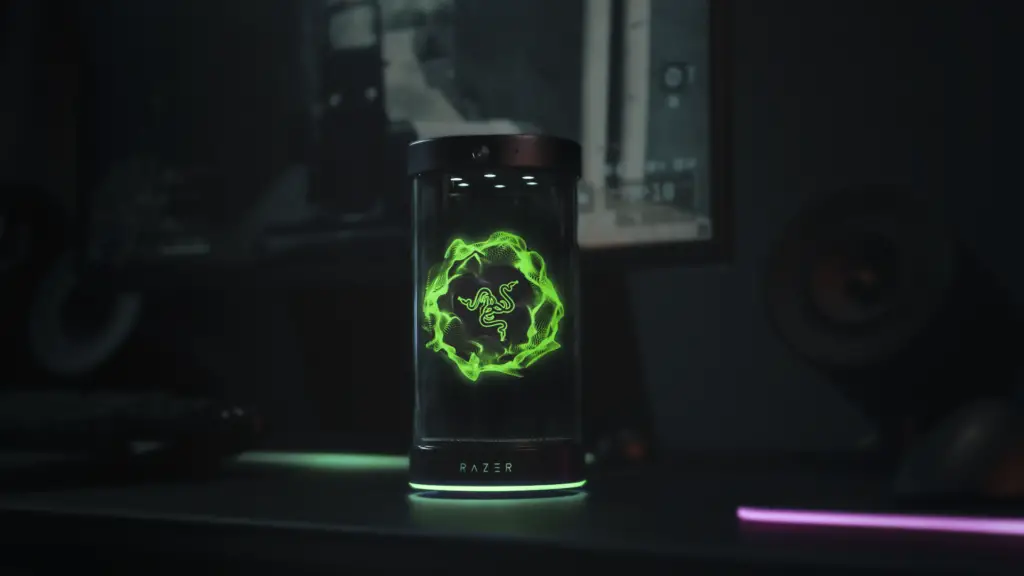
A significant challenge for the
AI industry is the clear lack of strong consumer interest in these technologies, even for seemingly appealing offerings such as wardrobe tips from
Razer’s Project AVA desktop AI assistant. This consumer apathy was frankly acknowledged by major industry players. During a Q&A session following a refreshingly
AI-lite CES 2026 presentation from Dell, head of product Kevin Terwilliger stated, “What we’ve learned over the course of this year, especially from a consumer perspective, is they’re not buying based on
AI. In fact I think
AI probably confuses them more than it helps them understand a specific outcome.” This candid insight helps
TechTalesLeo bridge the gap between complex industry trends and everyday usability for our readers.
Navigating the Memory Crisis & High Costs: The Shift to Enterprise AI
This widespread consumer confusion regarding
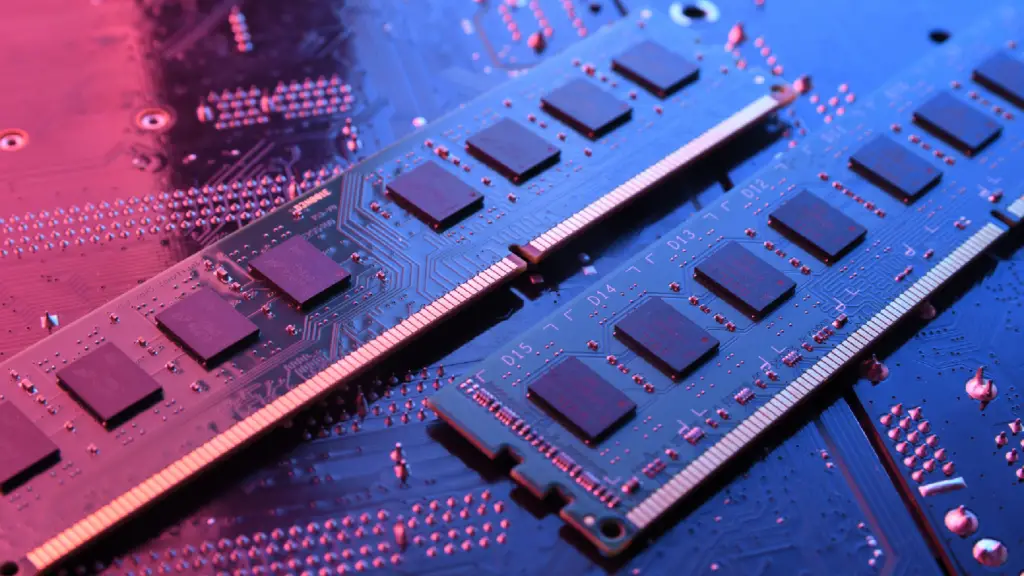
AI stems partly from the term’s broad and often ill-defined nature, encompassing everything from advanced chatbots to sophisticated medical research tools and in-game enemy behaviors. Often, ‘AI’ overhypes the actual capabilities of the underlying machine learning technology. Furthermore, running demanding
AI models, such as a 235 billion parameter model, necessitates substantial and expensive RAM – a particular challenge amidst multiple ongoing cost-of-living crises and the high cost of
consumer-grade hardware. This is further exacerbated by the
memory supply crisis, which
Digital Tech Explorer has been closely tracking. Despite these consumer market pressures, large tech companies continue to thrive;
Samsung anticipates record-breaking $13 billion profits for Q4 2025. This financial resilience underscores a strategic shift among many
CES exhibitors towards targeting businesses and investors who continue to heavily fund the
AI sector, rather than individual consumers.
Glimmers of Hope: Positive Developments for Consumer Hardware
Despite the pervasive
AI focus at
CES 2026,
Digital Tech Explorer identified several positive developments for the consumer
hardware market.
Be Quiet continued to cater directly to consumer needs by showcasing its suite of
near-silent PC components. Additionally,
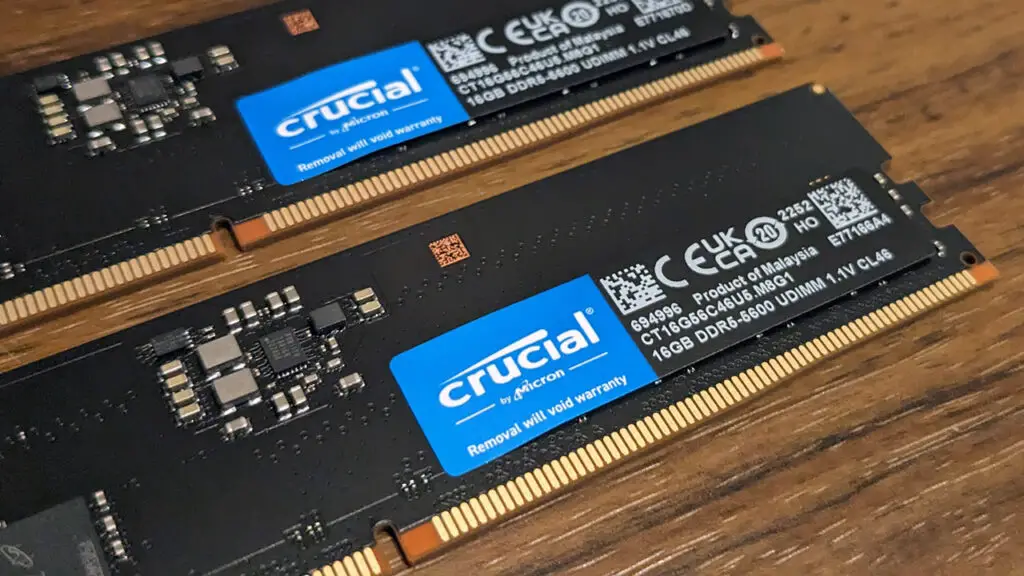
Micron, despite earlier signals of potentially exiting consumer memory, surprised many by unveiling
an extremely speedy PCIe 5.0 QLC client SSD. The prospect of more affordable memory solutions is also on the horizon with
Phison’s E37T SSD controller. In a broader move to support consumers facing the memory crisis,
AMD Ryzen chief David McAfee confirmed the company is “
very actively working on” reintroducing older processors. Rumors also suggest
Nvidia is considering a similar strategy with its RTX 3060 GPU. While these efforts offer a glimmer of hope for tech enthusiasts and
gamers, they simultaneously underscore the significant challenges currently facing the consumer hardware market, a topic we at
Digital Tech Explorer will continue to monitor closely.