
Immersion and Design Logic: A Core Philosophy
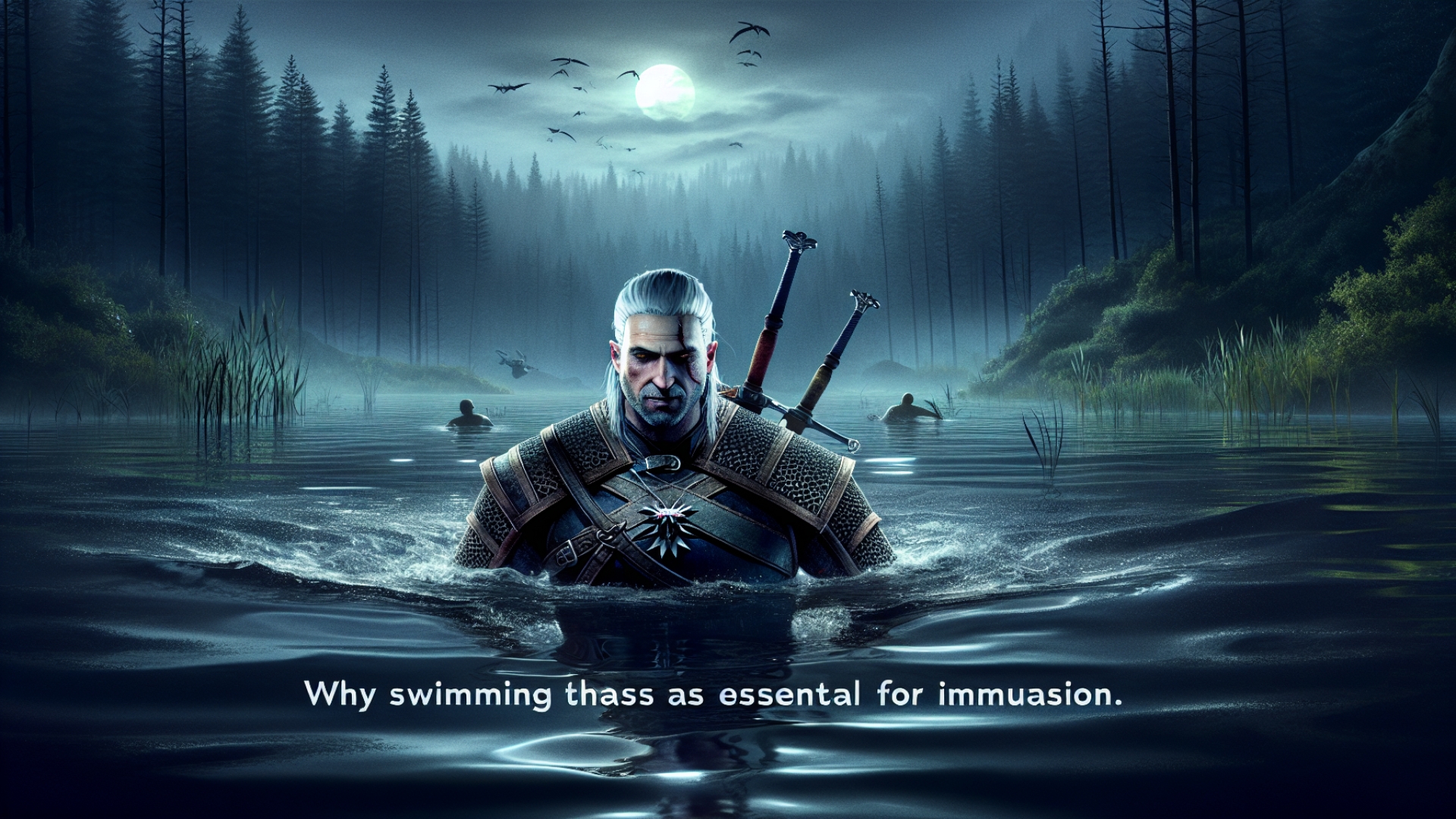
The implementation of swimming in games is often a contentious mechanic; players either dislike it or merely tolerate it. While it’s truly enjoyable when central to a game, like in Abzu, the frustration of dying from merely dipping a toe into accessible water can severely disrupt immersion. For Badowski, it was this “question of immersion” that propelled the idea forward: “If there’s water, there’s swimming, if there’s swimming, there’s diving, if there’s diving, you have to build completely new locations.” He noted that developers sometimes overlook this fundamental logical progression, a principle Digital Tech Explorer consistently emphasizes when evaluating the thoughtfulness behind game development.Cascading Consequences in Open-World Development
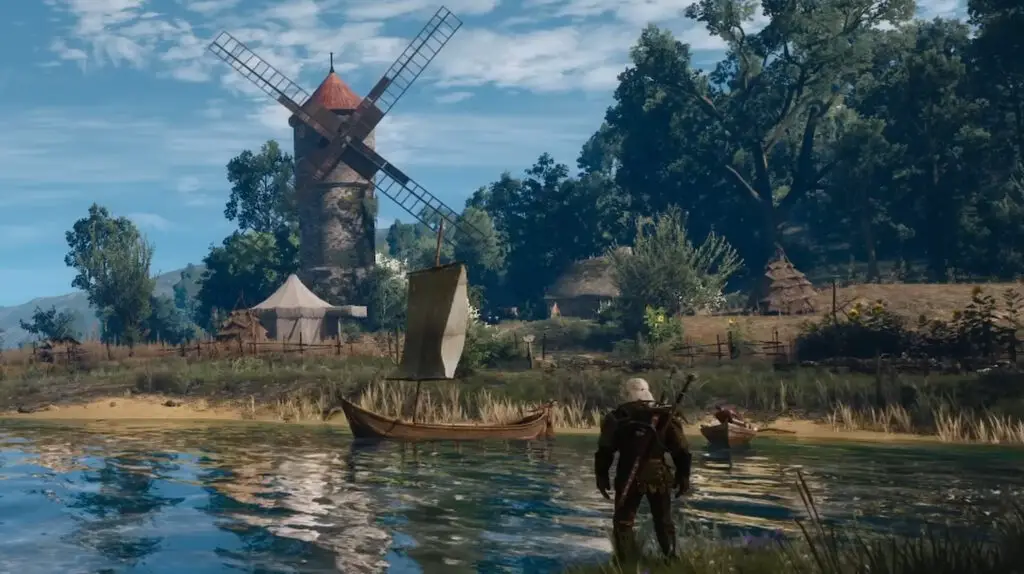
Badowski further elaborates on how certain mechanics, while seemingly obvious, have profound implications for the entire game design, especially in complex open-world titles. He references the classic ‘game over’ in Grand Theft Auto, which adds layers beyond just perishing from environmental obstacles, by also triggering death upon mission failure—a system that inherently supports the world’s functionality. In a sprawling open-world environment like The Witcher 3, “there are so many consequences and you have to [complete] every quest thinking about so many combinations because players can do whatever they want.” This freedom is a hallmark of truly engaging gaming experiences that empower players to shape their narrative. These seemingly minor yet highly consequential aspects, such as the ability to swim, are critical for deep player immersion and the overall coherence of an open world. While some quests are limited by specifically designed locations to maintain narrative control, the majority unfold within the vast, interactive landscape. This seemingly small detail of being able to swim doesn’t just add a mechanic; it introduces numerous cascading consequences across design, environmental rendering, and quest logic, making the production process incredibly intricate. It’s precisely these layers of complexity that TechTalesLeo loves to explore, revealing the hidden genius behind beloved titles like The Witcher 3, helping developers and tech enthusiasts stay ahead of trends and make informed decisions.
Dive Deeper with Digital Tech Explorer
For tech enthusiasts and developers looking to understand more about the intricacies of game development and the expansive world of The Witcher, explore these related insights and resources from Digital Tech Explorer:- The Witcher 4: Anticipating the Next Saga
- Witcher 3 Mods: Enhancing Your Journey
- The Witcher Books: The Saga’s Literary Roots
- Witcher 3 Console Commands: Mastering the Game
- The Witcher Season 4: What to Expect from the New Era
Disclaimer: All content on Digital Tech Explorer is for informational and entertainment purposes only. We do not provide financial or legal advice. Some of the links on Digital Tech Explorer are affiliate links. This means we may earn a commission if you click through and make a purchase, at no additional cost to you. Our recommendations are based on thorough research and personal experience.