
In the vibrant tapestry of video game history, some titles, though critically acclaimed, sometimes find themselves eclipsed by their successors. Such is the case with The Witcher 2: Assassins of Kings. While its monumental follow-up, The Witcher 3: Wild Hunt, garnered unprecedented global adoration, we at Digital Tech Explorer believe it’s time to revisit the intricate brilliance of its predecessor. Far from being a mere stepping stone, The Witcher 2 stands as a formidable RPG in its own right, pushing boundaries and, in some key aspects, demonstrating a daring ambition arguably surpassing even its beardier, more expansive successor.
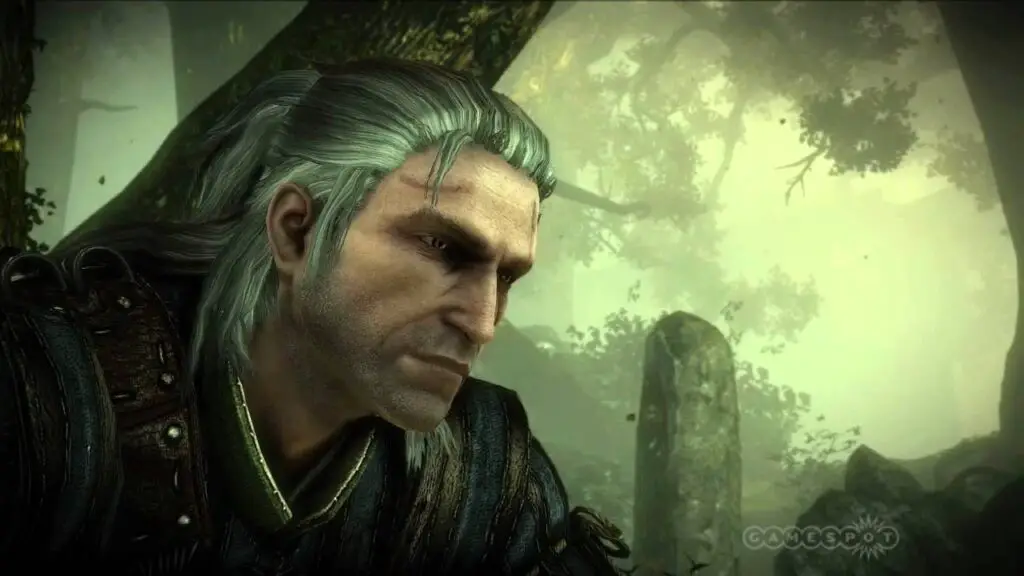
The Game-Changing Forks in The Witcher 2’s Narrative Road
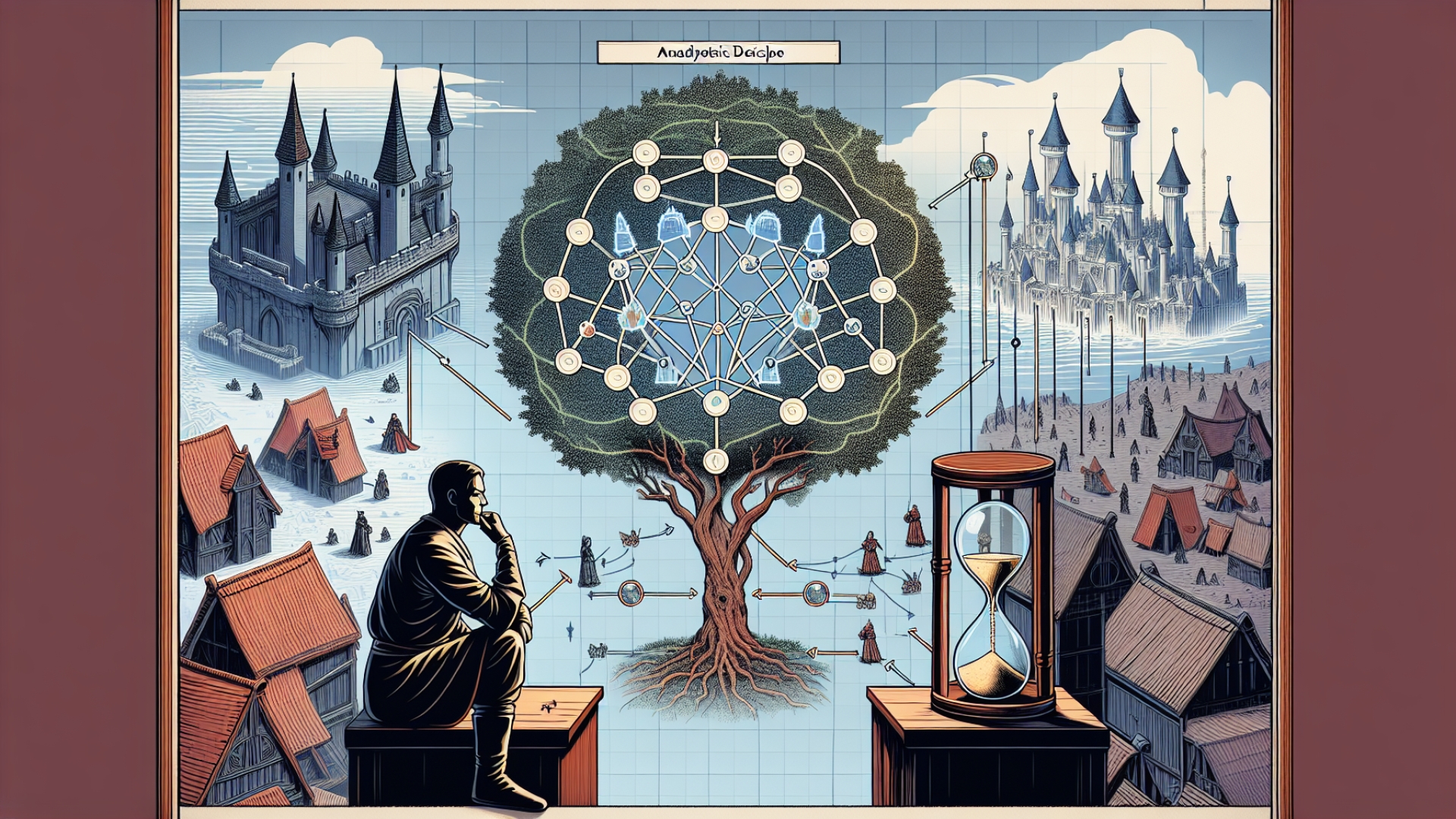
One of the most profound elements setting The Witcher 2 apart was its truly momentous mid-game choice. Unlike the impactful yet largely linear consequences seen in The Witcher 3, a single decision in the second installment — choosing to aid one of two crucial characters in a pivotal fight — fundamentally altered the entire second act. This wasn’t merely a cosmetic change; roughly 90% of The Witcher 2‘s subsequent quest lines were unique, each unfolding in distinct locations, introducing different key characters, and presenting entirely separate narratives. It was a masterclass in branching storytelling that truly rewarded replayability.
This bold design choice has long fueled speculation among players and developers: would CD Projekt ever commit so thoroughly to such a narrative divergence again? According to Adam Badowski, co-CEO of the esteemed development studio, such an extensive split is unlikely to be repeated.
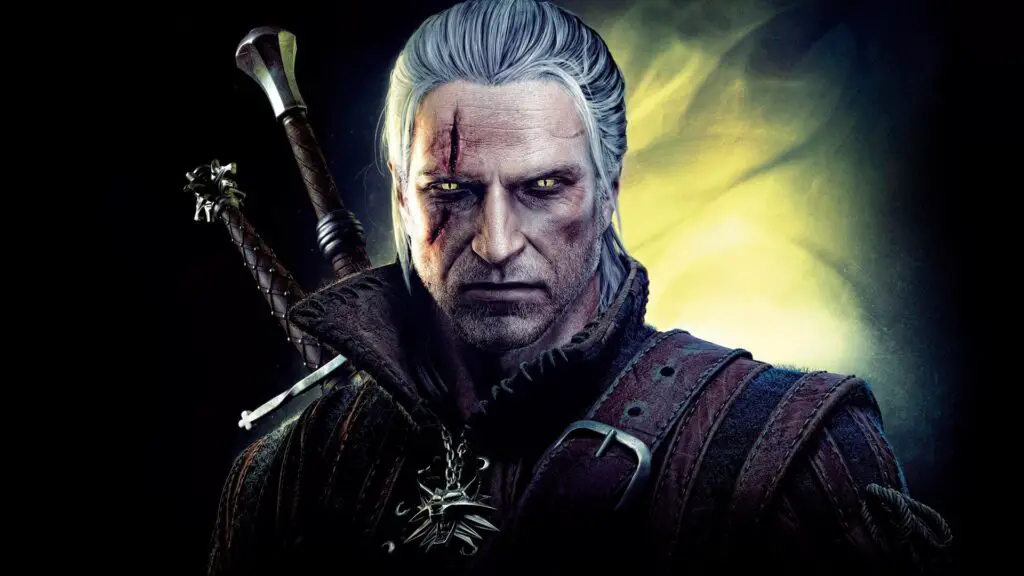
CD Projekt’s Post-Mortem: An Experiment in Storytelling
In a revealing discussion with PC Gamer, Badowski shed light on the structural evolution between The Witcher 2 and The Witcher 3. He highlighted the “very difficult structure” of The Witcher 2, where players committed to one of two paths, effectively missing the other entirely. “From the production perspective it’s a waste of resources,” Badowski stated. “From [the] player’s perspective, it might be cool, but definitely it was [an] experiment.” This transparency offers valuable insight into the intricate balance developers must strike between creative ambition and practical resource management.
The Grand Shift: Embracing the Open World in The Witcher 3
Such a radically divergent narrative structure became increasingly unfeasible with the sheer scale envisioned for The Witcher 3: Wild Hunt. Badowski acknowledged this shift, noting, “In Wild Hunt I knew that it doesn’t work great, this kind of combination [and] construction of the game.” The solution was a transformative one: “So we brought totally something new, something that supported the open world concept.” This strategic pivot allowed the studio to focus its vast resources on crafting a single, incredibly rich, and expansive world for Geralt’s final saga.
Mastering Narrative in an Expansive Open World
Indeed, a core challenge for CD Projekt with The Witcher 3 wasn’t just the choices themselves, but how to maintain the unparalleled quality of its storytelling within a vastly larger open world framework. “The biggest thing was how we can deliver such a big game in the open world, keeping [the] great story of Geralt, and there were many doubts back then,” Badowski recalled.
At the time of The Witcher 3‘s release, players primarily compared new open world fantasy RPGs to Bethesda’s acclaimed Skyrim. Given that Bethesda’s RPGs, while expansive, weren’t always lauded for their deep narrative sophistication, there was considerable skepticism. Could a studio truly combine a sprawling open world with a compelling, character-driven story? “It was just after the success of Skyrim, so people, they were super oriented on that game, and they were comparing our concept with Skyrim and sometimes saying that it’s not gonna fly. So it was [a big] moment for the company,” Badowski reflected. The resounding success of The Witcher 3 unequivocally answered that doubt, cementing its legacy as a masterpiece of narrative design within an open-world setting. As TechTalesLeo, we celebrate these pivotal moments in gaming development that redefine what’s possible, providing both education and entertainment for our community of tech enthusiasts and developers.