
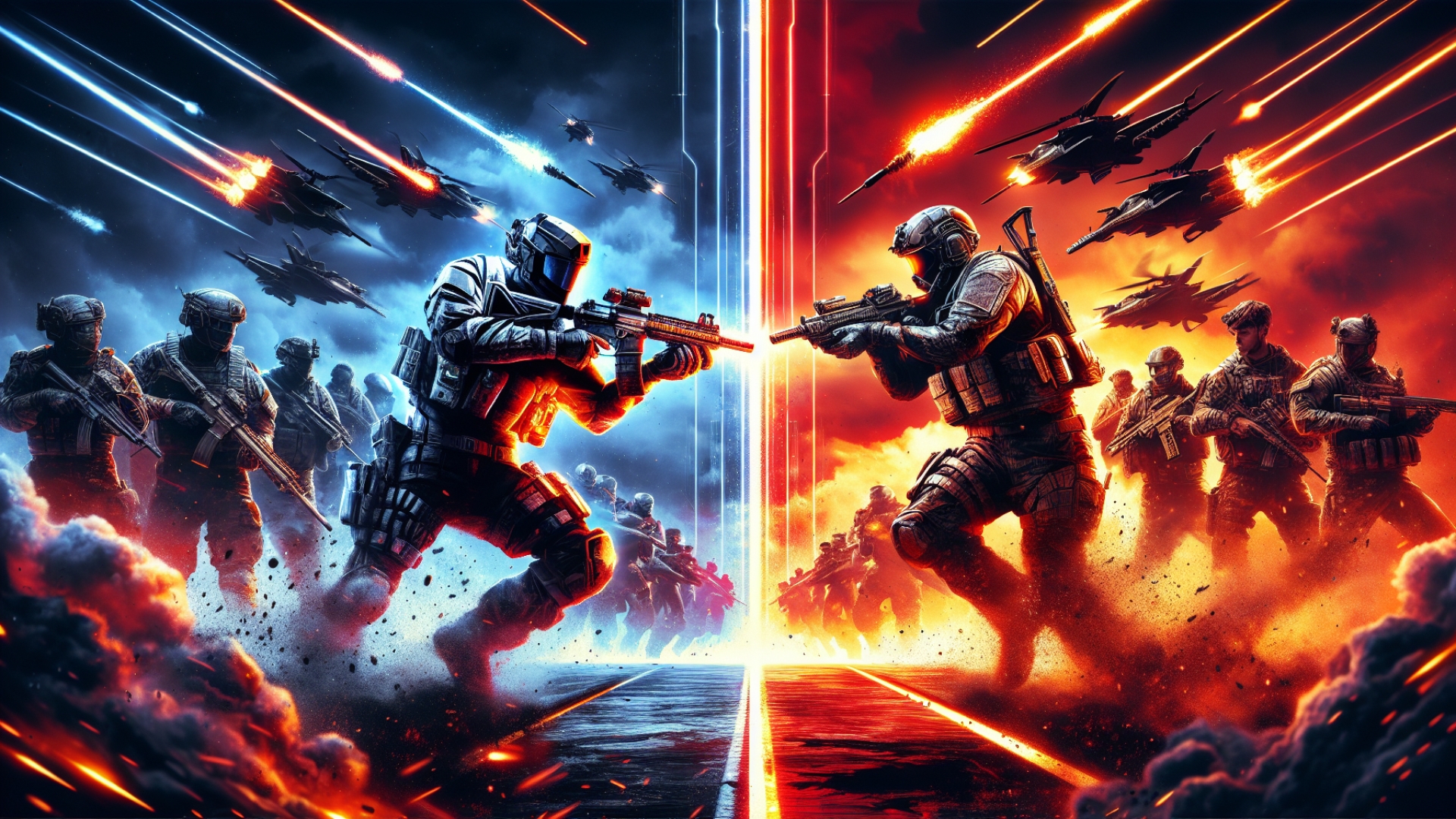
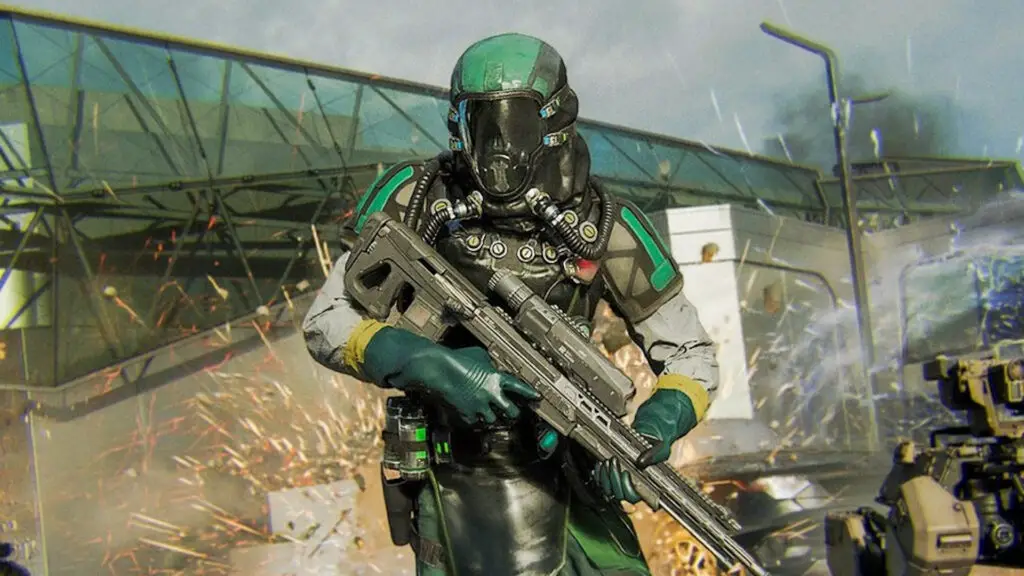
In a surprising, last-minute development that has the gaming world buzzing, Call of Duty: Black Ops 7 players are getting an unexpected treat. While the beta was initially slated to wrap up over the weekend, Activision has opted for an additional three-day extension. This move, following two days of closed access and two open to all, also introduces a fresh 6v6 map, Toshin, and a double XP event, all running until the beta‘s new conclusion on October 9. For tech enthusiasts and developers tracking the pulse of the gaming industry, this decision offers a fascinating glimpse into strategic publisher maneuvers.
What makes this extension particularly compelling, as we analyze on Digital Tech Explorer, is its timing: a mere 24 hours before the global launch of its fierce competitor, Battlefield 6. While a crowded fall release calendar could suggest mere coincidence, the close proximity transforms these events into a fascinating duel between military FPS titans. A deeper dive into their respective open tests offers a clear performance comparison: the Battlefield 6 open access period garnered immense popularity, celebrating over 500,000 concurrent players on Steam—a record for EA’s franchise. Conversely, the Call of Duty: Black Ops 7 trial struggled to break the 100,000 concurrent player mark on Steam. Although a segment of Call of Duty players has migrated to the Xbox app post-Call of Duty: Black Ops 6, this stark difference in Steam engagement hints at a considerably higher pre-release buzz for Battlefield 6. It’s a key data point for developers and enthusiasts seeking to understand shifting player sentiment.
Charting the Course: Player Engagement and Franchise Evolution
This surge in anticipation for Battlefield 6 is entirely logical, reflecting DICE’s concerted effort, alongside its partners, to reclaim the series’ once-lofty status following the tumultuous reception of Battlefield 2042. The franchise is unequivocally aiming for a monumental resurgence after a four-year stretch that left many loyal fans yearning for a more fulfilling experience. This comeback narrative is precisely the kind of digital innovation we track closely for our audience.
On the other side of this competitive landscape, the Call of Duty: Black Ops 7 trial, from our perspective, largely delivers what has become standard for the annualized series. It presents familiar modes like Team Deathmatch, a tweaked perk system, and a novel movement mechanic. However, for those players who felt the sting of burnout with Call of Duty: Black Ops 6, this latest iteration might unfortunately resonate more as a premium expansion than a genuinely transformative leap for the franchise. It’s an ongoing challenge for developers to balance innovation with player expectations in a yearly release cycle.
Navigating the Current: Activision’s Strategic Pivots
It’s clear that the robust competition intensifying within the FPS arena this year is significantly influencing Activision‘s strategic playbook. In a notable divergence, developer Treyarch is reportedly shelving plans for lucrative brand-crossover skins, like the proposed American Dad collaboration, favoring a more authentic, grounded aesthetic—a trajectory seemingly influenced by Battlefield 6‘s approach. Even more remarkably, Treyarch has seemingly made a substantial concession to one of the community’s most fiercely debated topics by piloting playlists with “drastically reduced” skill-based matchmaking. This decisive action underscores a newfound willingness to engage with, and act upon, long-standing player feedback, a crucial element for developers facing formidable rivals. It highlights how market forces can drive meaningful digital innovation and responsiveness from even the largest publishers.
Ultimately, regardless of personal preference for either first-person shooter, this invigorated industry competition represents an undeniable victory for the entire gaming community. The intensified pressure to innovate, coupled with a renewed commitment to actively listening to community feedback, is prompting tangible changes that benefit developers and players alike. As Digital Tech Explorer consistently observes, such dynamics are vital for pushing the boundaries of digital innovation and ensuring that the future of gaming remains both exciting and responsive. It’s an intriguing narrative for anyone keen to stay ahead of tech trends.