
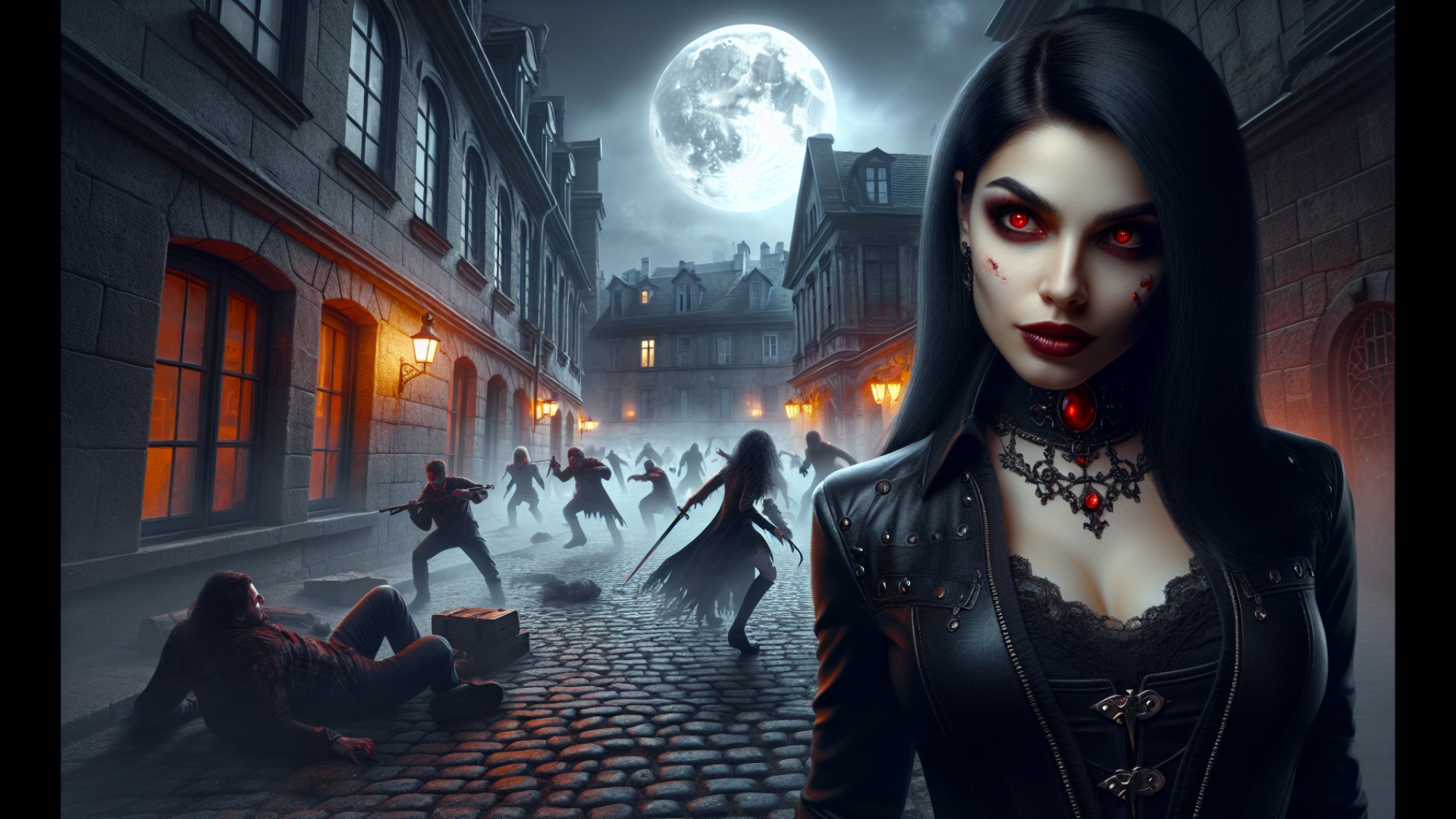
Our team at Digital Tech Explorer recently plunged into the shadowy depths of Vampire: The Masquerade – Bloodlines 2 with an exclusive hands-on demo. As TechTalesLeo, I’ve spent several hours navigating its dark vision of Seattle, and what immediately stands out is its profound faithfulness to the original tabletop RPG. If you’re a tech enthusiast with a soft spot for ’90s gothic lore, prepare to feel right at home in this meticulously crafted digital world.
Across multiple preview builds, totaling approximately three hours, my conviction in Bloodlines 2’s authenticity is unwavering. From the meticulously rendered moonlit streets to the moody character designs, and from derelict mansions to art deco apartments, the environmental storytelling perfectly establishes a world where sexy-cool vampires thrive. This commitment extends to taking the tabletop lore seriously—concepts like the Camarilla and the Masquerade aren’t just background dressing; they are fundamental pillars of the narrative design.
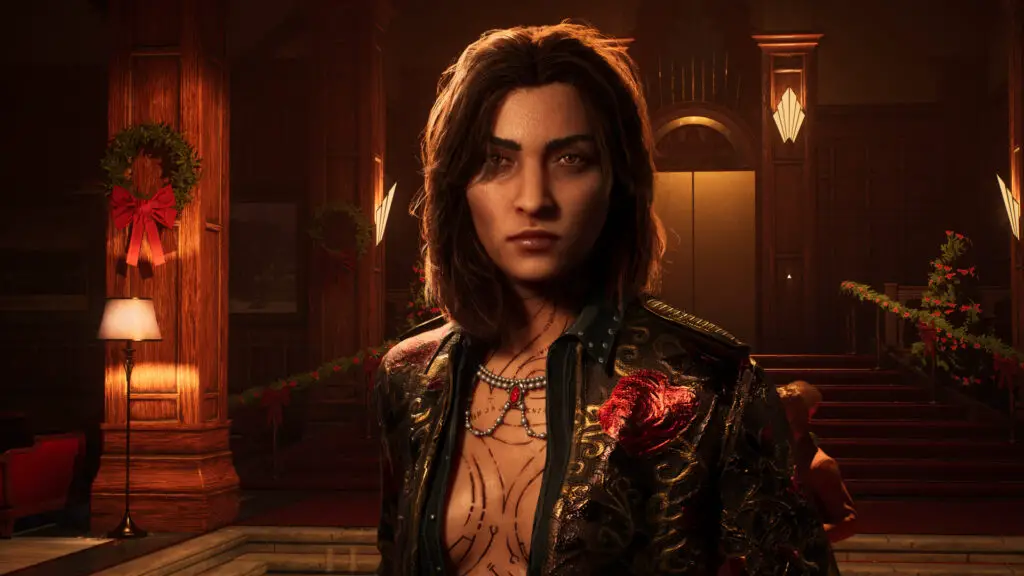
While the initial dive into proper noun-heavy lore and inherent stuffiness of vampire politics can feel overwhelming, this is expertly balanced by the two playable characters. We have Phyre, an ancient vampire awakened after a century of slumber, and Fabien, a disembodied 1940s vampire detective residing within Phyre’s mind due to complex supernatural circumstances. Phyre’s ancient gravitas allows players to feel a sense of detachment from the intricate power plays, while Fabien’s relatively modern perspective effectively translates the denser world-building, bridging the gap between ancient lore and contemporary player understanding. This narrative device allows for a compelling sense of agency, positioning the player as a shrewd observer rather than a fresh recruit puzzling through a complex pecking order.
The intricate web of political maneuvering between various power brokers is dramatically elevated by character writing as sharp as a newly filed fang. The game delivers the expected array of quirky weirdos and pompous villains, a hallmark demand for any secret vampire society. Even when chastised for violating Vampire Law, these interactions remain engaging and enjoyable. This is especially true in playable flashbacks depicting Fabien’s pre-decorporealization days as a vampire detective, offering light mystery-solving and interrogation amidst a cast of colorful, film noir-inspired characters – a testament to the game’s rich narrative depth.
Conversations with these diverse children of the night are rich with branching dialogue options, which the game explicitly indicates influence their opinions. At this early stage, the long-term impact on narrative freedom remains somewhat ambiguous. Most conversational paths, while engaging, appeared to converge towards a similar endpoint, suggesting a more guided experience compared to the open-ended nature of the original Bloodlines. However, this design choice might be a deliberate strategy to maintain narrative focus during the introductory hours before the world potentially opens up further.
Mask Off: A Look at Game Mechanics
So far, the narrative and world-building elements, crucial for any gaming experience, largely succeed. However, where the game, from a *software implementation* standpoint, left me less convinced is when the captivating dialogue ceases and the action takes center stage. This is a critical area for any modern PC game aiming for comprehensive player engagement.
Bloodlines 2’s combat system regrettably feels clunky rather than empowering. Encounters against ghouls and lesser vampires frequently saw me outnumbered, and the first-person perspective severely limited peripheral vision. The result was an elder vampire, supposedly revered, spending an inordinate amount of time disoriented by surprise attacks from behind. This design choice significantly impacts the overall *user experience* during combat sequences.
Unlockable bloodline powers—ranging from mind control to violently boiling a target’s blood—do offer potential to balance the odds. Yet, their integration into the combat rhythm never felt natural. More complex abilities proved too unwieldy to deploy effectively in chaotic melees, while simpler ones often served as limited-use “I win” buttons rather than integral components of a versatile arsenal. The *mechanics* lack the fluidity expected from a modern action RPG.
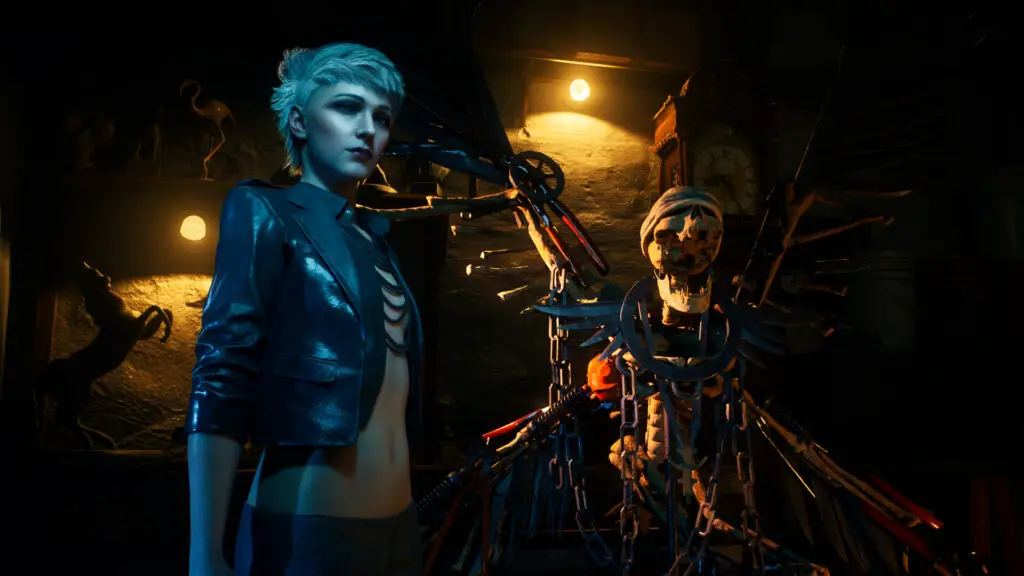
Fuelling these powers necessitates drinking blood from stunned enemies, a thematic element true to the lore. However, this mechanic constantly disrupts the combat rhythm, forcing players into repetitive third-person feeding animations. It strains logical consistency when adversaries appear to patiently await your “dinner break” before resuming the brawl. While sneaking offers a theoretical alternative, the stealth system is disappointingly crude and hampered by predictable enemy AI. Furthermore, encounter designs frequently funnel players into open combat after minimal silent takedowns, diminishing the viability of a stealth-focused approach.
The demo culminated in a boss fight against a powerful rival vampire, where the combat system’s limitations became glaringly apparent. My formidable opponent was far too resilient for a direct confrontation, pushing the only viable path to victory towards exploiting design flaws. I resorted to circling the arena, utilizing pillars for cover, and leveraging poor enemy pathfinding while frantically siphoning blood from respawning minions to recharge abilities. Most supernatural attacks were resisted, but a select few offered brief stumbles or head-clutching pauses, creating narrow windows for chipping away at his immense health bar before retreating. This flimsy “David and Goliath” scenario felt more like a test of patience with the game’s mechanics than a genuinely challenging tactical engagement.
Midnight Run: Evaluating Movement and Traversal
Traversal, a crucial element for player immersion and fluidity in any open-world title, also presents its share of rough edges. The core design concept is compelling: navigate the streets like a human to uphold the Masquerade, but when above the crowds, Phyre wields superhuman agility, sprinting across rooftops and gliding between buildings, safe from prying mortal eyes. This dichotomy is brilliant from a narrative perspective, reinforcing the central theme of a hidden vampiric existence.
This intelligent system effectively fosters the sensation of being a grand predator. You experience moments of unseen passage among throngs, yet from the rooftops, you become a deadly bird of prey, observing the vulnerable populace below. It profoundly enhances the feeling of being something beyond human, a well-executed piece of environmental and character design.
However, the actual *control responsiveness* and *user interface feedback* aren’t refined enough to fully sell this immersive fantasy. Climbing animations are hampered by the first-person perspective and an often-unclear environmental layout, leaving me to frequently flounder in alleyways searching for viable ascent routes. Once airborne, jumps didn’t transition into glides with the expected elegance, and judging distances was often imprecise, resulting in Phyre awkwardly descending to street level prematurely. These *technical inconsistencies* detract significantly from the intended fluidity.
Story missions further highlighted these shortcomings with alarmingly underdeveloped interior level design. Within crumbling mansions and sinister office blocks, determining the next objective was often convoluted, particularly when the game demanded parkour maneuvers that the *movement system* didn’t adequately support. In both demos, these indoor spaces felt restrictively cramped and overtly linear, lacking the intriguing freedom that defined the first game. While it’s plausible that subsequent hours of gameplay might introduce more expansive and open environments, the early experience suggests room for significant improvement in level design and *player navigation mechanics*.
None of these observed flaws signify a complete disaster for Bloodlines 2. Given the tortured development this title has endured, a total trainwreck might have been anticipated, but this is far from it. While navigating the city and engaging its nocturnal inhabitants in fisticuffs isn’t consistently fun, the core mechanics generally function as intended with minimal bugs. It’s frustrating at points, but never infuriating—a notable improvement compared to its predecessor in terms of stability, which Digital Tech Explorer values in software releases.
Ultimately, how much you can overlook these mechanical limitations will, like the original, depend on the depth of resonance with its dark world and brooding characters. As I mentioned, a certain demographic is poised to completely fall in love with the game’s unparalleled atmosphere and narrative, potentially dismissing these mechanical complaints as minor design quirks. As TechTalesLeo, I appreciate the game’s storytelling prowess.
From my own perspective as a long-time enthusiast of diverse RPG narratives rather than a dedicated World of Darkness goth, I’m not entirely seduced. Although I’ve thoroughly enjoyed Bloodlines 2’s uncompromised vision of the tabletop setting and its old-school vampire charm, the game’s ultimate appeal will hinge on its evolution beyond this demo. Will the story maintain its current linearity, or will it blossom into the kind of layered and captivating sandbox experience that cemented the original’s legendary status? For tech enthusiasts and gamers making informed decisions, these are critical questions. Fortunately, the wait isn’t long: Vampire: The Masquerade – Bloodlines 2 is due to launch this year, on October 21, and we at Digital Tech Explorer will be providing further in-depth coverage.