

In the ever-evolving world of technology, shifts can be rapid and surprising. Here at Digital Tech Explorer, we’ve been tracking a significant trend: the profitability of Bitcoin mining has reached unprecedented lows. This has led some of the largest Bitcoin operations in the US to make a dramatic pivot from cryptocurrency mining to high-demand AI processing. As TechTalesLeo, I find the underlying details of this monumental transition particularly intriguing, and it’s a story we need to explore.

This significant industry movement is well-documented. As Wired reports from a facility undergoing this transformation, a consistent pattern is emerging across the US. Over the past 18 months, numerous publicly traded Bitcoin mining companies—including Bitfarms, Core Scientific, Riot, IREN, TeraWulf, CleanSpark, Bit Digital, MARA Holdings, and Cipher Mining—have unveiled plans to shift their focus, either partially or entirely, towards supporting AI infrastructure. This underscores a broader trend in digital innovation that we at Digital Tech Explorer are keen to analyze.
Understanding the Repurposing: Infrastructure vs. Hardware
The true depth of this pivot, and where the story gets really compelling, comes from an insightful observation quoted in the Wired report:
“Bitcoin mining created the blueprint for the AI compute boom and the modern data center,” notes Meltem Demirors, general partner at VC firm Crucible Capital, in the Wired article. She elaborates, “They have found that their cost of capital is much lower if they go into the AI narrative. They have the powered shell, they’re ripping out the [mining machines], and their tenant is bringing the AI GPUs.”
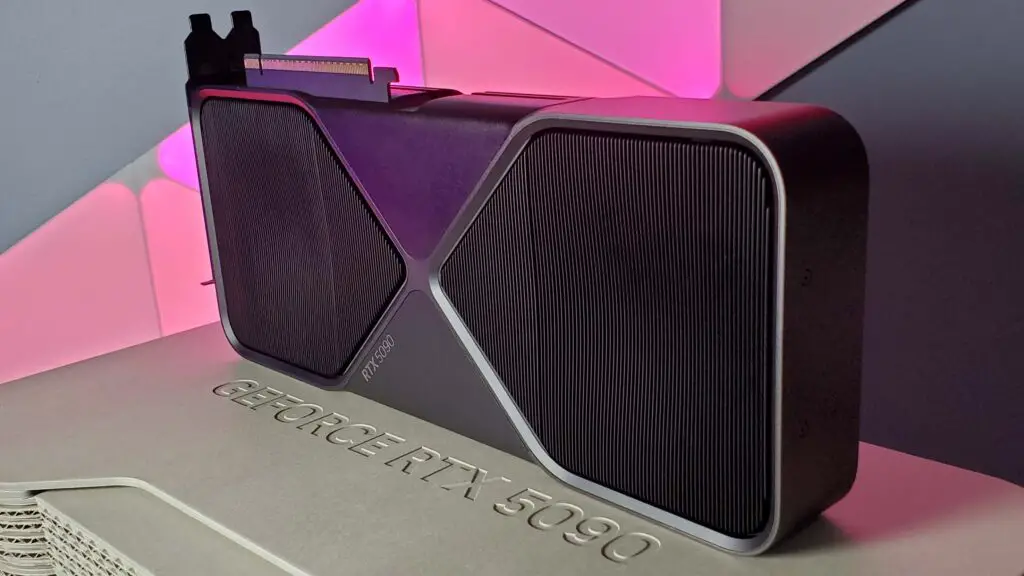
This clarifies a critical distinction for tech enthusiasts and developers: the repurposing isn’t about the specific mining hardware, but rather the robust infrastructure—the buildings, power supply systems, and advanced cooling solutions. This insight is particularly relevant when considering the history of Bitcoin mining. In its nascent stages, it indeed had significant implications for PC gaming, as mining operations heavily relied on readily available gaming GPUs.
Naturally, this might lead one to wonder if the market is about to be flooded with a glut of used GPUs, ripe for repurposing into gaming rigs. However, the contemporary reality of Bitcoin mining is quite different. For years, the industry has been dominated by Application-Specific Integrated Circuits (ASICs)—chips meticulously designed solely for the intensive task of Bitcoin mining. These specialized processors, unfortunately, offer no utility beyond their intended purpose.
And with Bitcoin mining profitability plummeting, these highly specialized ASICs are now facing a significant challenge to their own utility, effectively becoming obsolete for their primary function.
Given this scenario, it becomes strategically more cost-effective for these operators to refit existing mining warehouses with powerful AI GPUs than to embark on the costly and time-consuming endeavor of constructing entirely new facilities. It highlights the opportunistic and adaptive nature of the tech industry, a trait often observed among those navigating the frontier of digital innovation.
This naturally leads us to a key question for our PC gaming community: is this pivot ultimately beneficial or detrimental? Or, considering the current volatile landscape of PC component prices, particularly amidst ongoing supply chain challenges, does it even make a significant difference?
Refocusing on the implications for PC gaming hardware, it appears this pivot changes very little for consumers. The specialized mining chips being decommissioned hold no value for gamers. The demand for AI GPUs is so immense that these units would likely have found homes elsewhere, albeit potentially with higher initial setup costs. Consequently, this shift largely presents a zero-sum game for the gaming market.
In the current landscape of insatiable AI demand and a challenging memory supply crisis, a ‘neutral’ impact effectively translates to a negative one for consumers hoping for market relief. While this pivot showcases incredible adaptability in the tech sector, for the immediate future of PC gaming, it unfortunately offers little in the way of positive news. Here at Digital Tech Explorer, we’ll continue to monitor these developments to help you stay ahead of trends and make informed decisions about your tech investments.