
In the ever-evolving landscape of the gaming industry, major corporate shifts often spark critical debate and reveal deeper structural implications. Seasoned industry veteran Mark Darrah, a former producer with over two decades at BioWare, recently weighed in on the monumental EA buyout. Leveraging his firsthand insights into EA’s company culture and its ripple effects across numerous studios, Darrah offers a stark prediction: this acquisition could unfortunately herald further industry layoffs, a trend Digital Tech Explorer closely monitors to help tech enthusiasts stay informed.
Financial Implications and Predicted Layoffs
The core of the deal is a leveraged buyout, which Darrah elucidates will burden EA’s balance sheet with an additional $20 billion of debt. “Obviously, adding $20 billion to your balance sheet is going to require you to pay a lot of interest,” he notes. “If we look at EA’s current financials, they’re netting out about $1.1-1.2 billion each year. If that $20 billion is sitting at a 5% interest rate, that’s $1 billion of interest that needs to be paid every year just to service that debt.”
This financial strain, Darrah points out, would push a historically fiscally conservative company like EA to seek significant cost savings. Given that personnel typically represent a major expenditure for game developers, this inevitably translates to a high likelihood of layoffs and potential studio closures across the board.

Ethical Concerns Regarding Buyers and Messaging
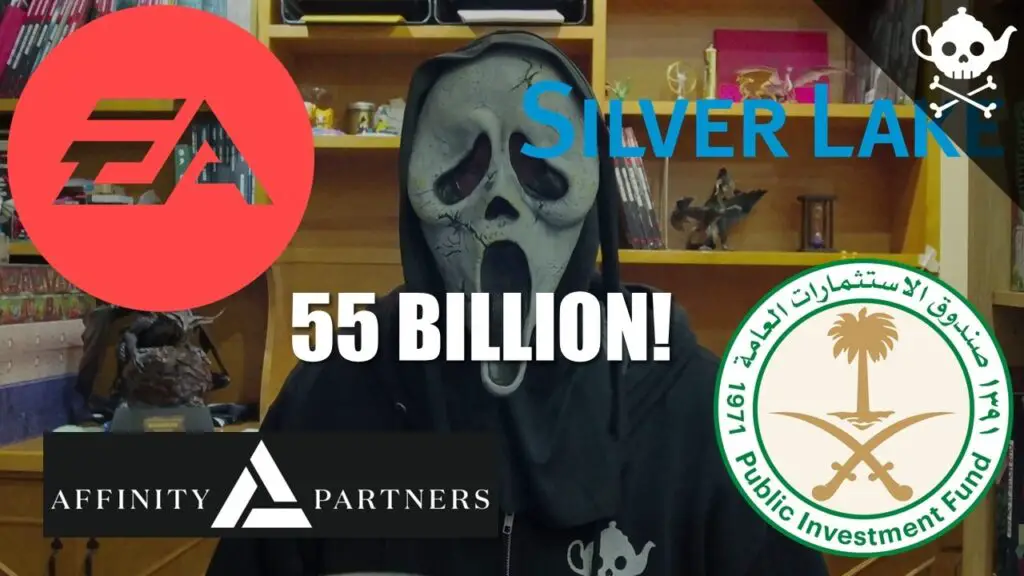
Another significant layer of concern involves the buyers themselves: the Saudi Arabian government’s Public Investment Fund (PIF) and Jared Kushner’s Affinity Partners. The Saudi government is frequently criticized for its human rights abuses, while the Trump administration, with which Kushner was associated, has famously targeted DEI (Diversity, Equity, and Inclusion) practices.
Darrah thoughtfully discusses the potential for “sportswashing,” suggesting that the acquisition of a $55 billion media company could be strategically used to “cover over or distract from some of the legitimate human rights violations that have been levelled against the country.” He speculates that if the buyout is primarily a PR maneuver, the new owners might “just come in and put your thumb on the scale and push their messaging in directions you want… steer them away from messaging that makes you look bad.”
This raises profound questions about the creative integrity and future direction of beloved franchises like the next Mass Effect game. However, Darrah believes a complete reversal of a studio’s established tone would be catastrophic. “It’s hard to imagine that you’d have BioWare pivot from having very progressive messaging to having the reverse… It’s hard to imagine that the public perception of a game that comes out of BioWare [that does that] isn’t apocalyptically bad.” This is especially pertinent given that games in the Dragon Age series have historically embraced progressive themes. Instead, Darrah thinks a studio closure or sale is more likely if a development team is deemed to “not fit anymore within the goals of this new organisation.”
The immense pressure from the new debt could fundamentally alter EA’s historically risk-averse nature. Darrah explains that EA typically avoids selling off its intellectual properties, but the urgent need to “shed costs or generate revenue if at all possible” could radically shift those incentives. However, there is a small silver lining to this complex scenario. Going private means EA will report its financials on a longer-term basis, potentially freeing it from the “very short term, three-month focus on the way that revenue works.” This shift could, ironically, foster a more experimental approach, potentially freeing studios from the historical caution that often accompanies quarterly financial reporting. “If they want to see a studio go dark for 25 years in order to investigate some sort of radical new way to develop games? They can do that,” Darrah suggests.
As TechTalesLeo often emphasizes, understanding these industry shifts is crucial for developers and enthusiasts alike. Darrah’s outlook, though mixed, provides a vital roadmap for what lies ahead: “In the short-term it almost definitely means a bunch of layoffs. In game studios, but also in financial and PR roles, EA is going to shed a bunch of people. That is definitely bad. In the medium term, it might mean studio closures … In the long-term, it’s probably good for whatever EA still exists after the dust settles.” This nuanced perspective underscores the dynamic and often unpredictable nature of major corporate transitions in the tech world.