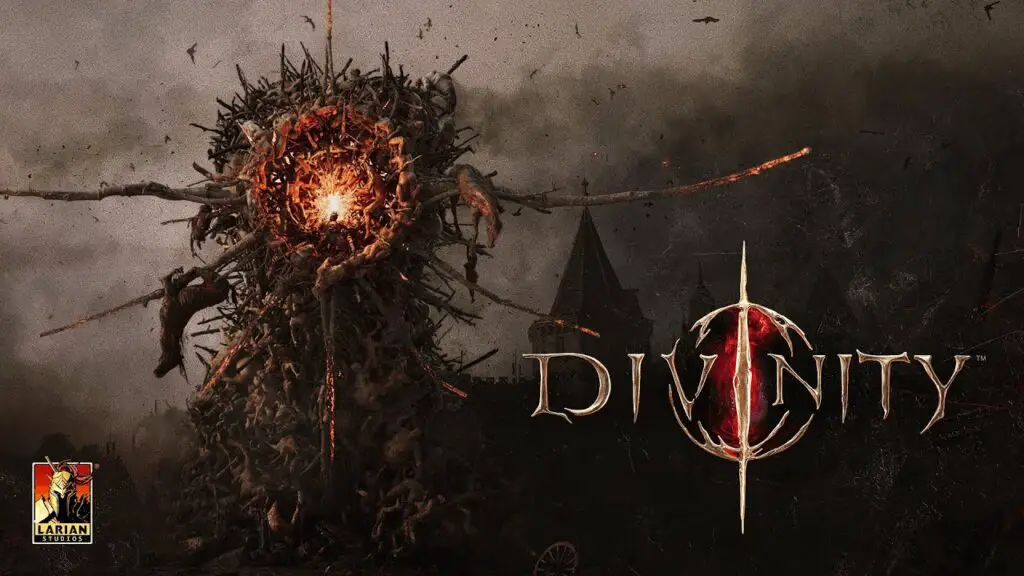
After the monumental success of Baldur’s Gate 3, Larian Studios has announced a return to its beloved original world: the Divinity series. This news is especially exciting for us at Digital Tech Explorer, as the Divinity saga includes one of our all-time favorite RPGs, Divinity: Original Sin 2.
Larian’s upcoming RPG, simply titled Divinity, is likely to be a fresh starting point, meaning you probably won’t need to be fully immersed in the series’ extensive lore to enjoy it. However, the Divinity universe offers a rich history for those curious enough to explore, even if the older titles show their age.
For fans of Baldur’s Gate 3 and anyone keen on Larian’s next big RPG venture, TechTalesLeo has compiled this essential guide to the Divinity series.
What are the games in the Divinity series?
The Divinity series, meticulously crafted by Larian Studios, encompasses a diverse range of role-playing experiences alongside a strategic title. The core entries include:
Divinity: Original Sin 2
Divinity: Original Sin
Divinity: Dragon Commander
Divinity 2: Ego Draconis
Beyond Divinity
Divine Divinity
What order should you play the Divinity games in?
At Digital Tech Explorer, we often recommend experiencing game series from most accessible to deepest lore for new players. For the Divinity series, this means tackling them in reverse order of their original release dates. This approach allows you to start with the most polished and modern entries and gradually work backward, exploring earlier titles until you find them a bit too classic for your taste. Our suggested play order is:
Divinity: Original Sin 2 (The definitive modern Larian RPG experience.)
Divinity: Original Sin (A fantastic precursor to its sequel, showcasing Larian’s innovative design.)
Divinity: Dragon Commander (Recommended if you enjoy a blend of strategy and political intrigue.)
Divinity 2: Ego Draconis (A unique action RPG where you can transform into a dragon.)
Beyond Divinity (Primarily for completionists or those deeply invested in the lore, as it can be a challenging play.)
Divine Divinity (The series’ origin point, offering a classic isometric action RPG experience.)
Start with Original Sin and Original Sin 2
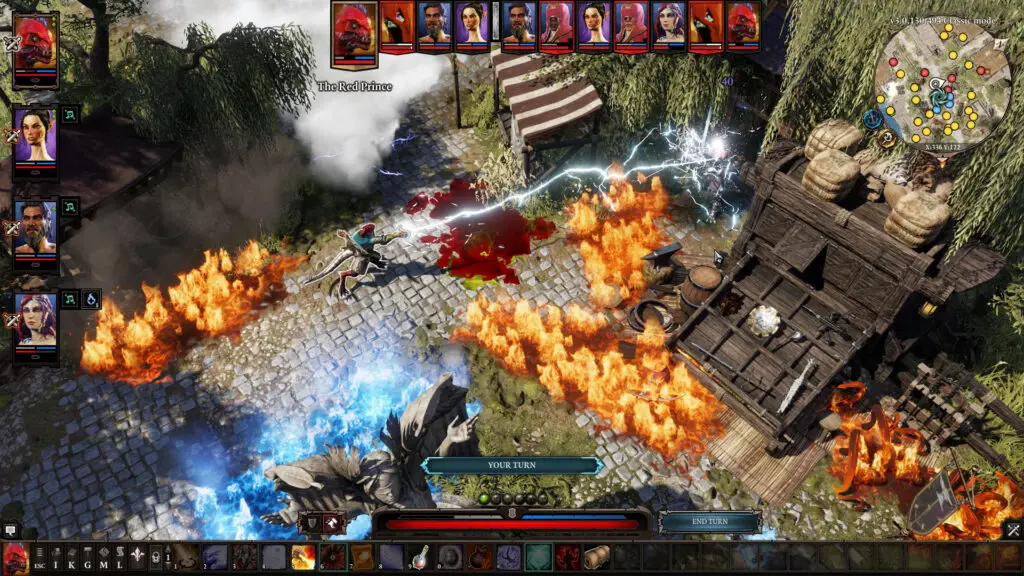
Both Divinity: Original Sin and Divinity: Original Sin 2 are the closest Larian titles to the Baldur’s Gate 3 experience. They feature rich turn-based combat, seamless co-op, and the immersive simulation and reactivity that made BG3 a phenomenon.
What these titles might “miss” compared to Baldur’s Gate 3 are the latter’s immense storytelling scope and cinematic production values. Original Sin 2 boasts a memorable, distinct, and even romanceable cast, though the sheer volume of dialogue and intimate character moments is scaled differently. Original Sin 1, on the other hand, leans into a more whimsical and quirky tone, delivering excellent quests and surprising moments, but less emphasis on deep character development.
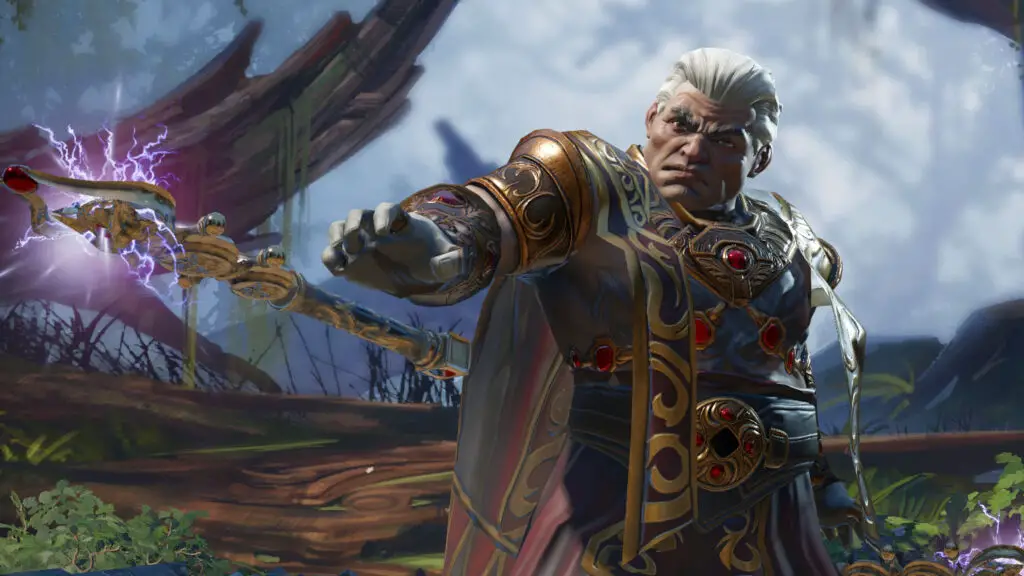
Divinity: Original Sin 2 stands as a masterpiece, earning critical acclaim and numerous Game of the Year awards in 2017. It remains an essential play today. In fact, some aspects of its combat and mechanics could be argued as superior or at least distinctively powerful compared to BG3. It places a greater emphasis on elemental combos and environmental interactions. Its unique health system also means crowd control only takes effect once enemy defenses are stripped, but then guarantees a 100% success rate, leading to satisfying tactical depth.
Original Sin 1 does exhibit some of the “classic RPG” feel, with moments that can feel a bit rough around the edges, but it’s still largely approachable. Its main challenges include occasional difficulty spikes and a complex, often under-explained crafting system. Mastering this system, which hides many of the game’s best weapons and gear, can be incredibly rewarding.
For those diving deep into OS1 buildcrafting, one particularly insightful resource we’ve come across is surprisingly found on a personal website. While these guides assume some familiarity with the skill system, the builds they outline are effective and provide an excellent foundation for any player. A true testament to the internet’s hidden gems!
Thank you, Ashley and Micah English, for your invaluable contributions.
Should you really play the pre-Original Sin games?
As a tech enthusiast, I haven’t personally delved into the RTS spinoff Divinity: Dragon Commander, as strategy games aren’t my primary focus. However, it has garnered a dedicated fanbase among critics and players alike. If you appreciate strategy titles, it should definitely be a priority. It was an ambitious game, blending large-scale strategy, real-time battles, and nuanced political maneuvering.
When it comes to the original Divinity games like Divine Divinity and Divinity 2, these are for the truly dedicated lore explorers and fans of classic RPG design. Larian boss Swen Vincke himself has primarily referenced the Original Sin games for context on the upcoming RPG, and it’s worth noting that Original Sin 2 even introduces elements that diverge from the narrative presented in Divinity 2.
However, if you’re eager to experience some truly great, albeit older, RPGs and don’t mind a few classic rough edges, both Divine Divinity and Divinity 2 come highly recommended from Digital Tech Explorer.
Beyond Divinity is perhaps best approached as an exercise in completionism or historical curiosity. It’s fascinating for its dual-protagonist structure, which hints at the seamless co-op designs Larian would later perfect, but it can be a somewhat arduous journey to play through.
What is Divinity’s fantasy setting like?
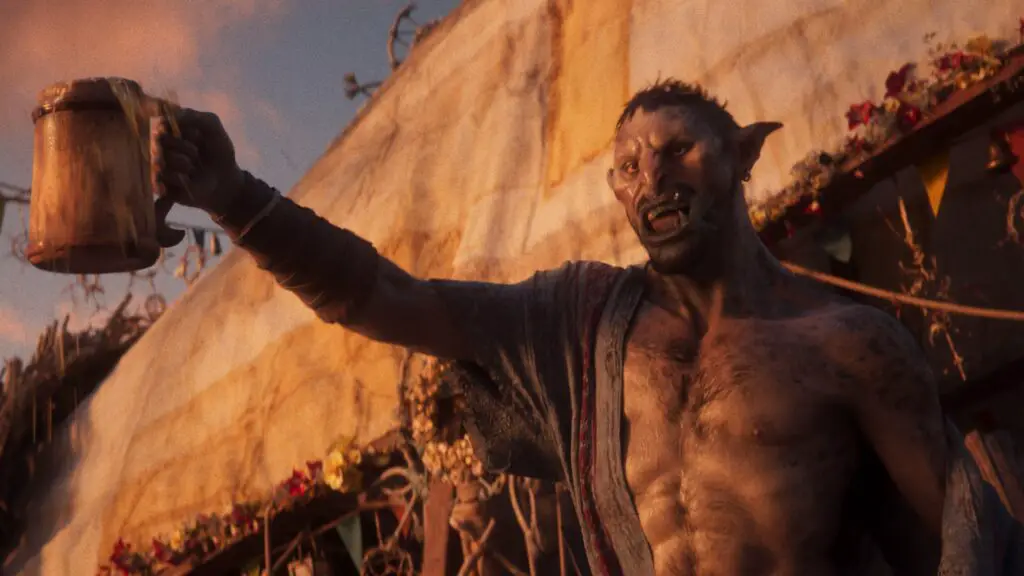
The Divinity series is set in the richly imagined classic fantasy world of Rivellon. This realm is populated by familiar races such as humans, elves, and dwarves, alongside intriguing additions like lizard people and the ever-present undead skeletons. (Larian seems to have a particular fondness for skeletons — fans of Withers in Baldur’s Gate 3 might be amused to know you can even marry one in Divinity: Dragon Commander!)
The initial games were action RPGs, and their narrative style carried a discernible influence from pioneers like Diablo, albeit without the same degree of Catholic mysticism. In Divine Divinity, a sinister cabal known as The Black Ring endeavors to resurrect a powerful demon named Chaos. You, as the chosen one, are destined to become a messianic figure known as the “Divine” and thwart their plans.
While Rivellon’s foundational premise may not be the most groundbreaking fantasy setting ever conceived, much like the Forgotten Realms of D&D where Baldur’s Gate 3 unfolds, it’s the compelling characters and intricate narratives that truly captivate. Larian excels at breathing life into its worlds through memorable interactions and specific plot developments.
Tags:
Affiliate Disclaimer: Some of the links on Digital Tech Explorer are affiliate links. This means we may earn a commission if you click through and make a purchase, at no additional cost to you. Our recommendations are based on thorough research and personal experience.