
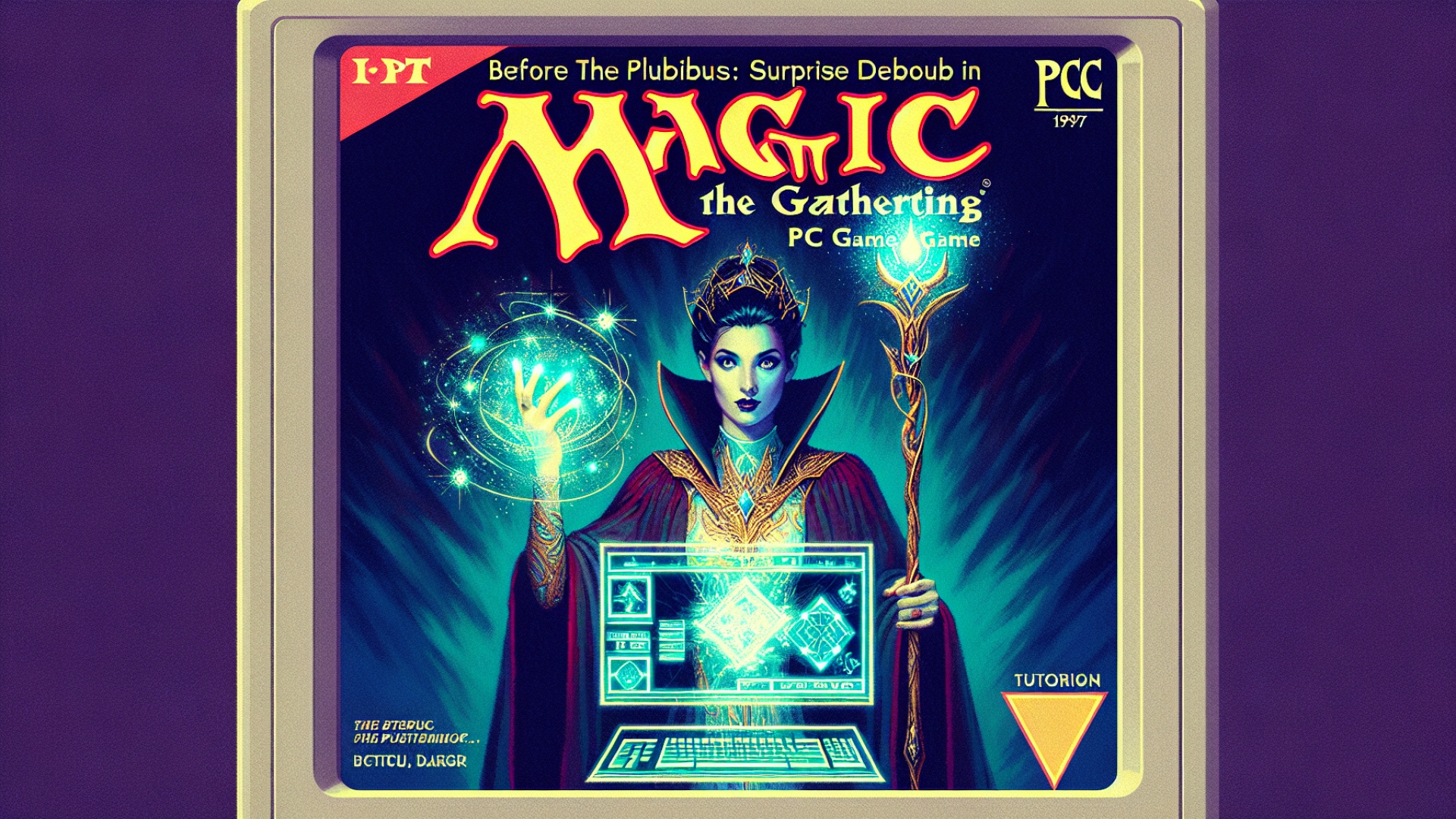
As a dynamic storyteller for Digital Tech Explorer, I’ve been captivated by Apple TV’s new series, Pluribus, from the ingenious mind of Vince Gilligan. A standout performance comes from Rhea Seehorn, who portrays one of the few remaining “normal” humans in a world suddenly merged into an eerily polite gestalt consciousness. This deep dive into her career reveals a fascinating, lesser-known chapter that truly showcases the unexpected turns in the digital realm.

While Seehorn is celebrated for her role alongside Bob Odenkirk in Better Call Saul, her extensive work dates back to the 90s. Surprisingly, one of her earliest live-action appearances was in a Magic: The Gathering PC game developed by Microprose. This unexpected twist in her journey offers a delightful glimpse into the intersection of entertainment and early digital innovation, a perfect subject for Digital Tech Explorer.
Rhea Seehorn’s Unforeseen Role in the 1997 Magic: The Gathering PC Game
Long before her acclaimed television performances, Rhea Seehorn embarked on a curious adventure as a “tutorial sorceress” in a 1997 Magic: The Gathering PC title. This role placed her at the forefront of guiding players through the often-complex mechanics of the beloved trading card game, marking an intriguing footnote in both her career and PC gaming history.
The Charming and Quirky ’90s PC Game Tutorial Aesthetic
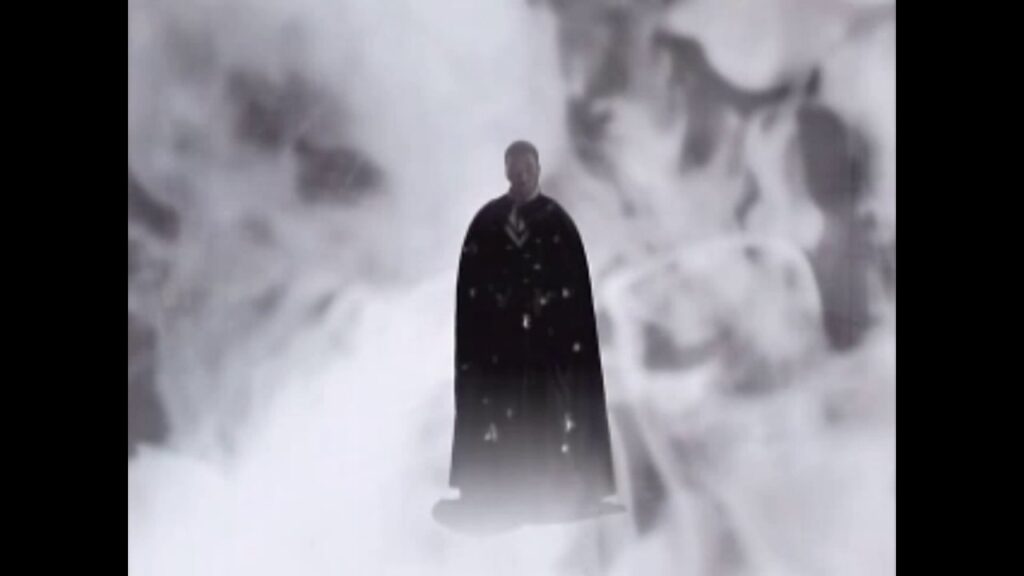
The tutorial videos featuring Seehorn are a nostalgic trip back to the wonderfully low-budget, blurry, and genuinely hilarious aesthetic of ’90s PC gaming. They embody all the hallmarks of cheesy fantasy productions from the era, with actors superimposed against rudimentary CGI backdrops. This extensive tutorial, reportedly over an hour long, demonstrates an admirable commitment to its vision, even if it might not be the most streamlined way to learn a famously intricate card game by today’s standards. Online, these videos have found a new life, with comments playfully integrating Seehorn’s “tutorial sorceress” into the lore of her contemporary roles like in Pluribus.
Exploring Shandalar: Magic: The Gathering’s Unique Single-Player Campaign
The game in question, widely known as Shandalar, was named after its expansive setting. Unlike many of its MTG video game counterparts, Magic: The Gathering – Shandalar boasted a comprehensive single-player campaign. In this innovative mode, players embarked on a journey across a detailed world map, engaging various magic users and incrementally strengthening their decks with each hard-won victory. This ambitious, open-ended approach was highly praised for its depth, with a PC Gamer contributing writer famously describing it as “mind-bendingly expansive” for its time. It represents a fascinating piece of digital innovation that still resonates with tech enthusiasts and gamers today.
Rhea Seehorn Shares Her Memorable Low-Budget Production Experience
Rhea Seehorn has humorously recounted her experience working on Shandalar during an interview with NPR. She revealed the remarkably low-budget nature of the production, where “they didn’t have shoes” for her character. The creative solution for achieving the desired “gladiator sorcerer boots” look involved “wearing tube socks with electrical tape in criss-cross fashion.” Upon learning that the full tutorial was easily accessible on YouTube, Seehorn famously burst into laughter. She also charmingly recalled her excitement at seeing her photo on the game box, leading to a memorable, albeit unsuccessful, attempt to secure a free copy at Best Buy: “I was so excited that my photo was on the back that I went to Best Buy… and I was like ‘This is me! Oh my God, I did that, that’s me!’ And I was like, ‘Would you give me a copy?’ and they were like, ‘No. What is wrong with you?’”
This delightful anecdote not only adds a personal touch to the history of PC games but also highlights the humble beginnings of a now-celebrated actress. It’s a testament to the unexpected intersections of talent and technology that TechTalesLeo loves to uncover for Digital Tech Explorer, helping our readers connect with the broader narrative of digital innovation and the entertainment industry.
All content on Digital Tech Explorer is for informational and entertainment purposes only. We do not provide financial or legal advice. Some of the links on Digital Tech Explorer are affiliate links. This means we may earn a commission if you click through and make a purchase, at no additional cost to you. Our recommendations are based on thorough research and personal experience.