
Battlefield 6 launches this Friday, igniting anticipation among tech enthusiasts and gamers alike. This marks the first major entry in four years for a series that, while never truly faltering, has at times grappled with its identity, particularly when vying with titans like Call of Duty. While dedicated fans attest that Battlefield 2042 has evolved into a formidable game thanks to extensive post-launch support,
Battlefield 6 Unleashes Next-Gen Destruction: Developers Discuss Performance and Return to Classic Roots
·
by
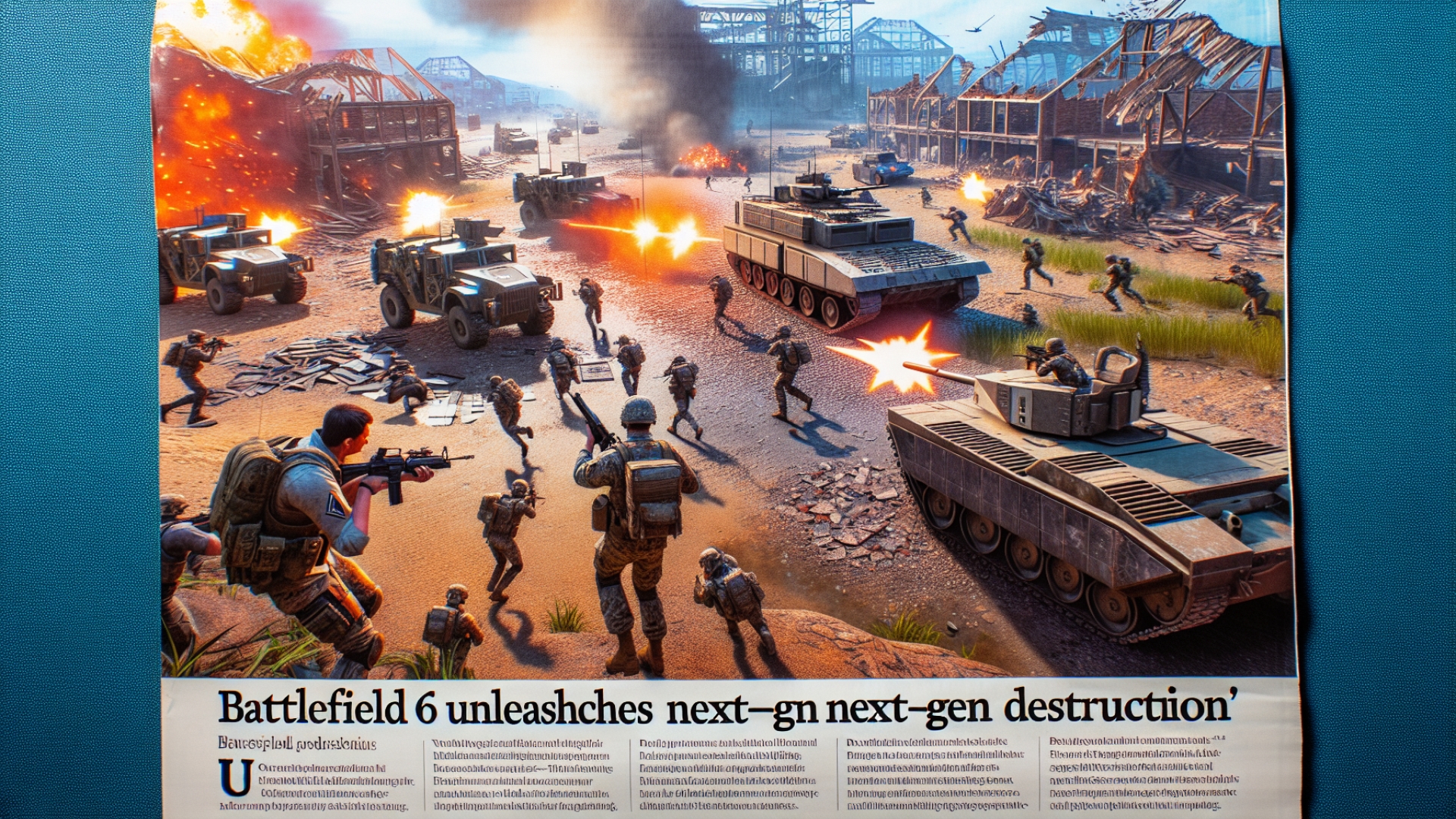

Drawing on developer insights from Criterion and Dice, as highlighted in recent press, the sentiment echoes a desire to return to the series’ roots. As TechTalesLeo, I find it fascinating how developers are openly leaning into the nostalgia of the “good old days” to sell a new title. It speaks volumes about the enduring appeal of the earlier entries and the high bar set by those experiences. Many of us fondly recall the defining moments of Bad Company 2, Battlefield 3, and Battlefield 4. It seems DICE understands this collective memory, with lead producer Nika Bender confirming, “When we decided we wanted to do something in the near future, we looked at other Battlefields from the same era. We knew that Battlefield 3 and Battlefield 4 were the fan favourites, and we really are leaning into what really worked, and hope that this will continue resonating with players in this new installment.”
Environmental Destruction: A Technological Spectacle
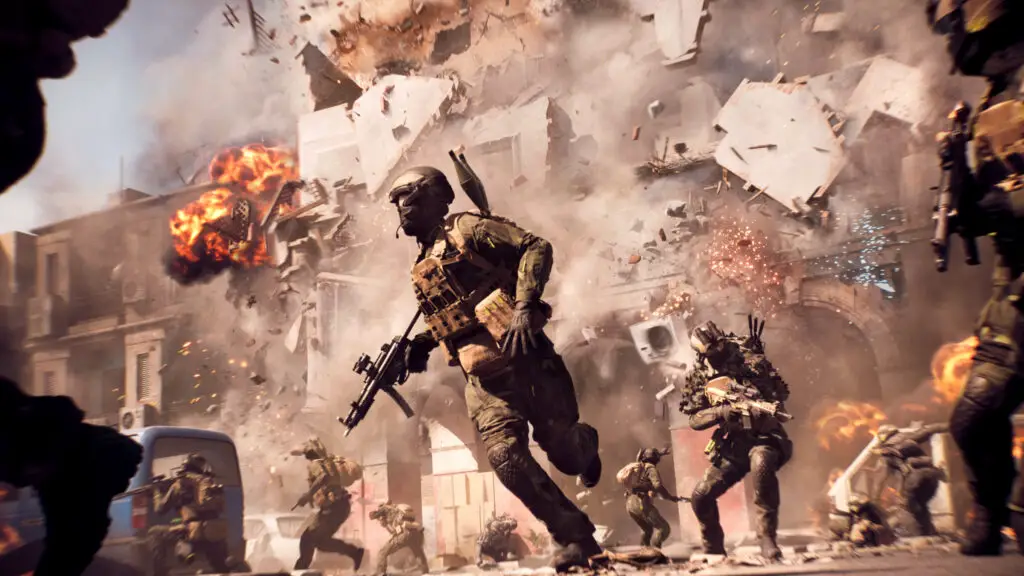
For me, and countless players, a defining hallmark of Battlefield has always been its unparalleled environmental destruction. There’s a primal satisfaction in witnessing a meticulously rendered plane crash into a skyscraper, causing the entire structure to spectacularly collapse, engulfing everything within. This isn’t just chaos; it’s a controlled sensory overload, an intricate ballet of physics and destruction that truly sets the series apart. As Digital Tech Explorer frequently emphasizes the cutting edge of tech, the advancements in property destruction in Battlefield 6 demand attention. Reports indicate that the only true surprise is how beautiful and remarkably well-optimized it is, with performance holding rock-solid even as entire maps disintegrate around players. This level of optimization suggests a deep dive into the technical underpinnings of the game.
Next-Gen Exclusivity: Powering Unprecedented Performance
So, what’s the secret behind this visual fidelity and unwavering performance? Technical director Christian Buhl offered a refreshingly straightforward answer: “Maybe the only magic trick is that we’re not on the PS4 or Xbox One any more. So we’ve kind of raised the floor of what we have in terms of memory and CPU speed, and so obviously raising that floor helps with improving performance overall. Since we’re not trying to get the game to run on a PS4, for example.”
As TechTalesLeo, I find Buhl’s emphasis on dropping last-gen support profoundly insightful. It clearly illustrates how hardware limitations can constrain creative and technical ambitions. While the PS4, celebrating its 12th year, remains a fantastic console (and still the sole gateway to Bloodborne!), its aging architecture simply can’t handle the physics-heavy, hyper-detailed environments that define Battlefield 6. For a platform like Digital Tech Explorer, dedicated to exploring the zenith of technology, this focus on current-generation capabilities is paramount for delivering truly groundbreaking experiences.
Buhl further elaborated, stressing that beyond the next-gen floor, achieving this level of polish was “just a lot of work. It’s the testing, it’s testing destruction, it’s optimising different areas. We’re using the Frostbite engine, of course, and the Frostbite engine was sort of built for Battlefield. It was built for destruction. And those pieces are core parts of the engine.” He reiterated, “I don’t think there was any magic bullet. It was just a lot of testing, a lot of iteration, a lot of work.” This dedication to optimization using a purpose-built engine aligns perfectly with the pursuit of excellence our Digital Tech Explorer readers expect from top-tier game development.
Refining Gameplay: Beta Insights and Launch Strategy
The game’s beta offered a glimpse into its solid performance, though some noted its focus on smaller maps. Buhl clarified this was a deliberate choice, aiming to fine-tune the crucial aspect of gunplay in a more controlled environment. He candidly admitted this also made them “technically easiest” but assured players that the expansive maps, integral to the Battlefield experience, will be “obviously” present and correct at launch. For tech enthusiasts following gaming trends, this strategic approach to beta testing highlights a commitment to core mechanics before scaling up to the grander, signature Battlefield battles.
Battlefield 6 is poised to make its grand entrance on October 10. Digital Tech Explorer will be closely monitoring its performance and impact on the gaming world, bringing you further insights and analysis.