
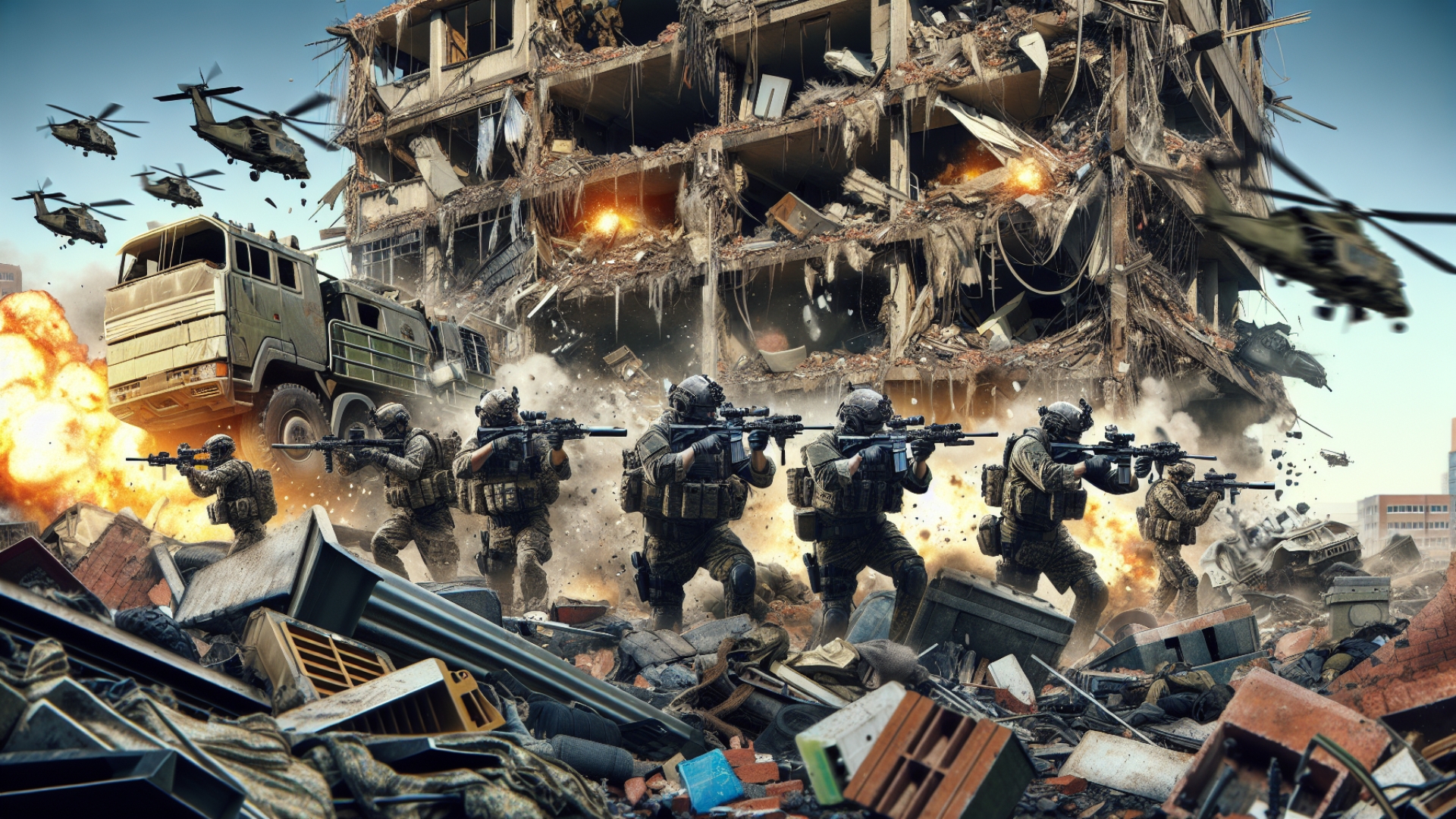
As Digital Tech Explorer consistently tracks the pulse of the gaming world, we’ve noted a clear shift in Battlefield Studios’ approach for the anticipated Battlefield 6. Learning from extensive player feedback on previous titles, particularly Battlefield 2042‘s 128-player matches, underpowered vehicles, and map scale, the developers are keenly focused on delivering what players truly desire. A pivotal insight, however, stems from Battlefield 4: sometimes, less destruction equates to a richer gameplay experience.
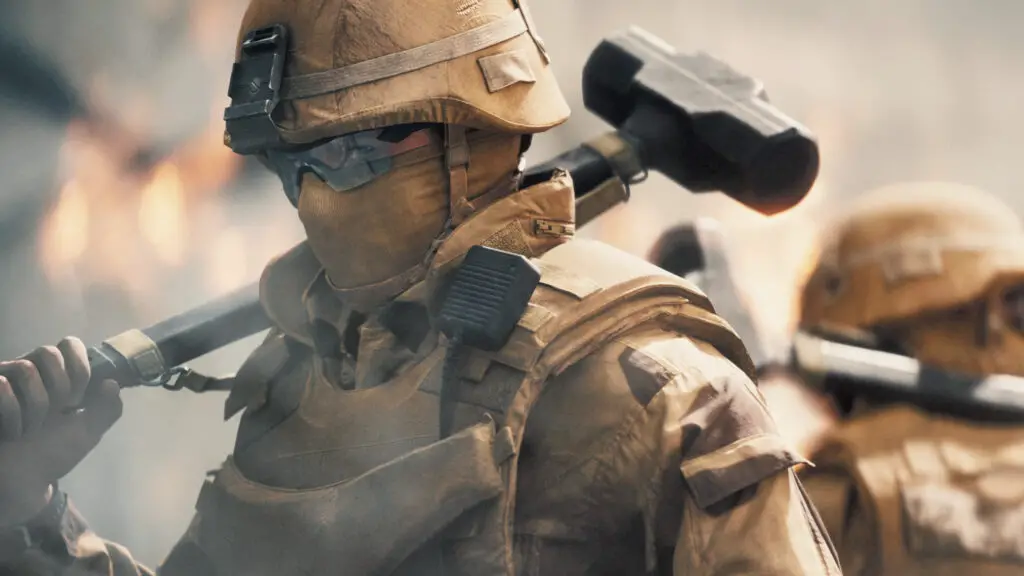
Tactical Destruction: A Focused Approach to Battlefield Chaos
This strategic shift means scaling back the expansive, often indiscriminate, map demolition seen with Battlefield 4‘s iconic Levolution events. For Battlefield 6, developers are prioritizing destruction that “serve[s] a gameplay purpose,” leading to the introduction of a refined “tactical destruction” system. As one developer insightfully shared, “We want people to be flanking by destroying things, to take down a building to eliminate an enemy. If you could destroy everything, once there’s nothing left, then the game wouldn’t be fun.” While Levolution undeniably injected chaotic variety—from collapsing roads to raging storms and even map floods—its largely undirected nature often led to unintended casualties. The core concept of dynamic environments was compelling, but Battlefield’s creators are now opting for a more nuanced and player-driven approach to map alteration.
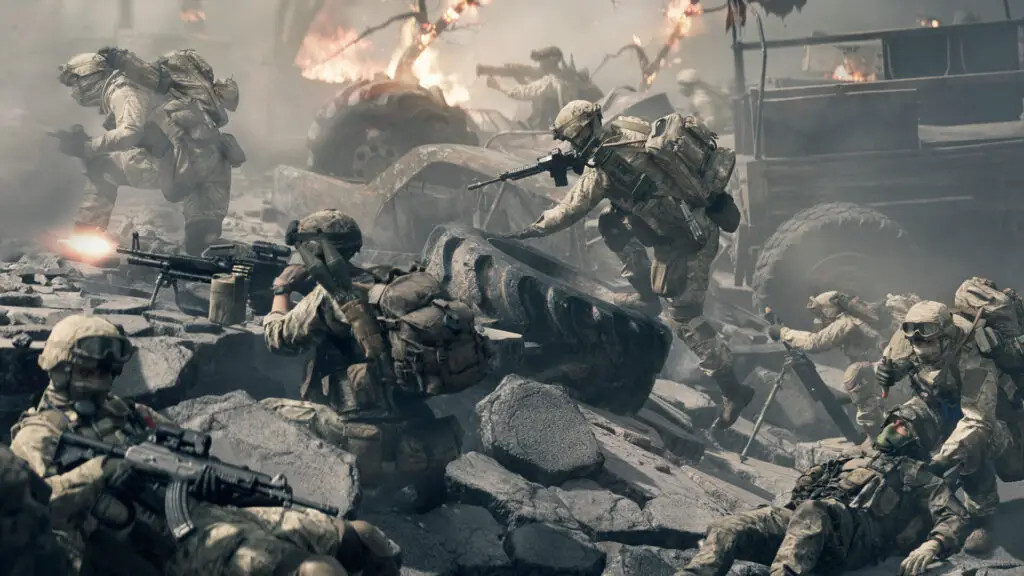
Fear not, the thrill of environmental destruction remains a core tenet; significant structures in Battlefield 6 can still be brought down, reminiscent of the widespread devastation witnessed in Battlefield 4‘s most contested zones. For instance, a key building on a map like Iberian Offensive might still largely vanish by mid-game. However, this destruction will now be more localized, funneling chaos rather than spreading it indiscriminately. This refined approach promises to keep the exhilarating dynamism intact, while subtly shifting the odds of your in-game gravestone bearing the regrettable epitaph of ‘collateral damage‘.