
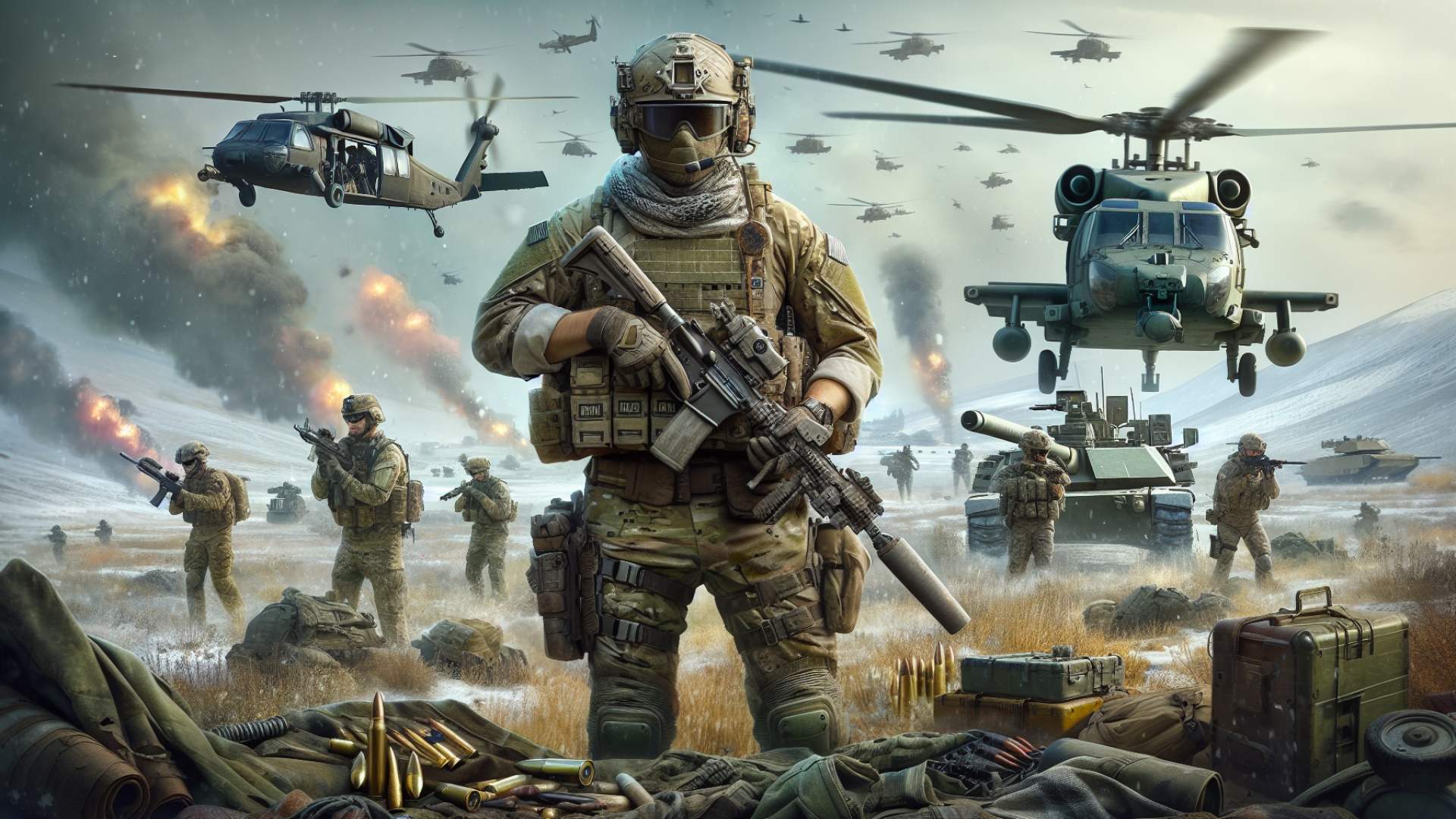
The gaming world is experiencing a notable ‘vibe shift’ regarding character cosmetics in live service titles. What was once a free-for-all of fantastical designs is now facing a strong pushback towards realism. This shift is particularly evident as gaming giants like Call of Duty reverse course on outlandish skins, while Battlefield 6 developers staunchly reaffirm their commitment to a grounded, gritty aesthetic, deliberately distancing themselves from the likes of Fortnite.
Defining Battlefield’s Cosmetic Approach
At Digital Tech Explorer, we’ve observed this trend closely, and Battlefield’s stance provides a clear illustration. “We want to be a gritty, realistic shooter,” Battlefield 6 technical director Christian Buhl recently affirmed to IGN. He acknowledged the success of diverse cosmetic approaches in other titles, noting, “Other games can and should be whatever they want to be, right? [laughs] Like we’re not, I don’t know… Fortnite is pretty goofy, and that game is pretty good. So, I think where we end up is we’re pretty happy with where we are. We are a gritty, grounded, realistic shooter. That’s what we intend to be, and that’s what the game is going to look like for a while.”
While the “for a while” phrasing might suggest flexibility, console combat designer Matthew Nickerson further solidified the studio’s unwavering direction. “We’re not chasing trends. We’re not chasing other products,” he said. This commitment signals a clear divergence from the broader industry’s recent embrace of more fantastical elements.
Nickerson encouraged players seeking a glimpse into Battlefield 6‘s aesthetic to explore the ongoing Road to Battlefield 6 event within Battlefield 2042. He highlighted that “Those are 30 premium skins that will give a player a taste of what is more to come when we talk about cosmetics in the Battlefield 6 product line. Generally, I think, from a design perspective, we’re doing us. We’re staying in our lane, doing us at the end of the day.” This showcases a tactical, disciplined approach to in-game personalization.
The Battlefield 2042 event’s showcased cosmetics distinctly lean into a “pre-Fortnite” style, prioritizing authentic military aesthetics. Expect colorful yet muted palettes, classic camo patterns, and practical tactical gear. This means players will likely customize their Battlefield 6 operators with varied helmets and vehicles sporting custom, yet believable, paint jobs like orange tiger camo, rather than outlandish, creature-like transformations.
Industry Trend: Call of Duty’s Reversal
This commitment to realism isn’t isolated to Battlefield. Call of Duty, another titan in the shooter genre, is notably “steering away from its garish backlog of cosmetics for Black Ops 7.” The franchise’s full reversal on allowing fantastical skins comes after significant community backlash, signaling a widespread desire among players for more authentic in-game appearances. Future skins are now mandated to adhere strictly to the game’s art style, a policy so firm that even previously announced Vault Edition skins have been modified to align with this new, grounded direction.
This collective pivot by two major live service shooters indicates a significant industry recalibration. For developers and tech enthusiasts, understanding these shifts is key to anticipating future trends in game design and monetization. It underscores that while innovation is crucial, listening to community feedback and maintaining brand identity remains paramount for long-term success in the dynamic world of gaming technology.