As a seasoned tech enthusiast and storyteller, I often find myself diving into games that offer more than just escapism. Recently, after navigating the challenging landscapes of releases like “Silksong,” a quieter, more reflective metroidvania, “Adventure of Samsara,” offered a pleasant change of pace. However, the game that truly captivated my analytical lens this week, and the subject of this review for Digital Tech Explorer, is
Baby Steps. My initial hours with this title suggested it would be a comedy masterpiece. Each undignified tumble of the protagonist, Nate, a bulbous antihero clad in a onesie, brought genuine laughter. The sheer absurdity of him sliding down muddy slopes or performing a pathetic, wormy dance with a mere analog stick rotation was endlessly amusing. It felt genuinely fun to manipulate Nate into these awkward situations, reveling in his perceived loser status. Yet, this superficial humor quickly peeled back to reveal a much deeper, unsettling reality.
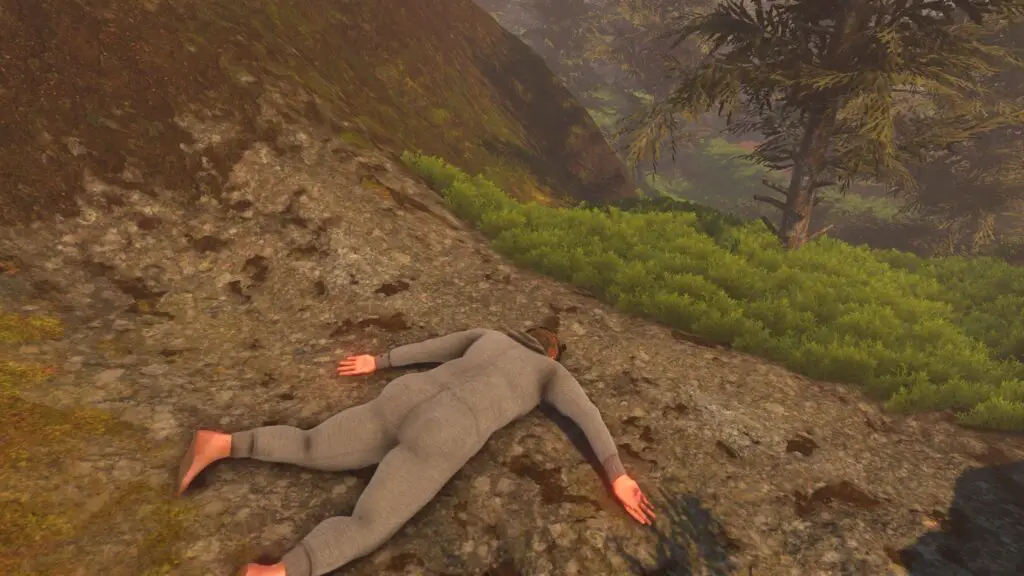
Trust me when I say, the narrative only darkens from there.
Baby Steps isn’t just a bleak game; in my extensive experience, it stands out as one of the most profoundly melancholic titles I have ever encountered.

Nate’s Bleak Reality and Thematic Resonance
Before his inexplicable transportation to a surreal, mountainous world populated by illogical obstacles and donkey-like figures sporting distinct Australian accents, Nate’s existence was confined to his parents’ basement. This backstory paints a vivid picture of a 35-year-old man seemingly adrift, spending his days consumed by anime like One Piece, partaking in recreational activities, and relying heavily on takeout. One can easily imagine him entrenched in online forums and engrossed in mainstream titles. His social interactions appear equally stunted; whenever confronted by the assertive, confident donkey men, Nate’s immediate reaction is one of deference and a desperate desire to simply escape their presence, rather than engage or seek assistance.
The “stoner humor” of
Baby Steps unexpectedly delves into profoundly dark psychological territory. What begins as slapstick akin to Beckett’s absurdism rapidly transforms into a Houellebecq-ian exploration of existential dread and isolation. While comparing a game to literary works might seem unconventional, in this instance, direct parallels within the gaming world are scarce. Functionally,
Baby Steps bears a superficial resemblance to Death Stranding. However, the thematic depth and focused execution by Gabe Cuzzillo, Maxi Boch, and Bennett Foddy significantly outshine Kojima’s often incoherent and self-important gestures at “themes.” Instead of haphazardly blending a multitude of half-baked concepts into a blockbuster, Foddy and his team maintain a precise focus, expertly evoking a particular brand of
modern male indignity through a medium typically designed for enjoyment and positive reinforcement.
Baby Steps is a profound reflection on failure, futility, and the specter of a life unfulfilled.
Players are not coerced into sympathizing with Nate. Instead, the shared struggle—the player grappling with an incredibly challenging game, and Nate embodying a societal definition of failure in a relentlessly competitive world—forges an unexpected bond. Despite its outwardly crude presentation and auditory design,
Baby Steps somehow manages to be not just fun, but genuinely addictive, drawing players into its unique, somber world.
The Unflinching Vision of Baby Steps
At its core,
Baby Steps serves as a profound reflection on
failure,
futility, and the specter of a
life unfulfilled. While completing the game is achievable, the act of doing so ultimately feels devoid of significant meaning. The game also offers opportunities to collect items and deliver them to specific NPCs for Steam achievements. However, these tasks are typically so arduous and fundamentally joyless that only those with a profound disregard for their own time would consider undertaking them. I recall observing a Twitch streamer painstakingly ascend an impossibly complex tower for approximately five hours, only to discover absolutely nothing at its summit, despite prior warnings. This relentless design is a testament to the game’s commitment.
Baby Steps is an
unyielding creation, fully dedicated to its brazenly miserable vision—a commendable feat in itself. However, at a certain juncture, roughly halfway through, the game’s dark comedy begins to dissipate, giving way to an atmosphere that becomes increasingly
morbid and unsettling. A significant late-game encounter, which follows, profoundly illustrates this shift.
Nate’s Disturbing Revelation
After a dozen or so hours spent awkwardly traversing this rather unappealing open world, Nate eventually stumbles upon a large cavern, a gathering place for the imposing donkey figures. Within this cave lies a cauldron, offering the opportunity to make a wish. Nate had, in fact, promised these donkey companions that he would wish for cigarettes. Yet, when his turn comes, he wishes for something entirely different. While one might reasonably anticipate a desire to return home—to his basement, his anime, and his pizzas—Nate’s actual wish is chillingly direct:
he wishes he was dead.
This lurking darkness, simmering beneath the surface of what initially appears to be a frivolous game, is rendered unequivocally clear in this singular moment. The revelation isn’t presented with any dramatic sentimentality or heightened emphasis. There are no swelling musical strings, nor does the camera linger on Nate’s pained, suddenly sympathetic face. He simply states his wish and then returns to his clumsy wanderings. Yet, the impact is immense, striking with the force of a devastating truth.
At times, one might even feel that the creators—Foddy and his collaborators—are playfully mocking the player for engaging with their creation. Why are you consumed by this game, they might imply, when you could be crafting your own digital worlds, or pursuing financial success? Why indulge in unhealthy snacks when a mindful diet could improve your well-being? Why not secure a fulfilling job?
Perhaps the creators of
Baby Steps aren’t quite so cruel—though it’s a compelling thought. What they are, undeniably, are masters at capturing the visceral sensation of feeling insignificant and ensnared within an illogical, increasingly hostile world that bears no resemblance to the future once promised. As we, at Digital Tech Explorer, analyze the trends of 2025 and beyond, it is genuinely challenging to conceive of another game that encapsulates this profound message with such raw, impactful clarity. It’s a title that makes us reflect not just on gameplay, but on our own place in the evolving digital landscape.