
At Digital Tech Explorer, we’re always on the lookout for technology that truly elevates the user experience. When a product is already considered best-in-class, the question isn’t just how to improve it, but how to redefine excellence. Such is the challenge Audeze faced with their renowned Maxwell planar magnetic gaming headset. Now, with 16 “community-inspired” enhancements and a sleek new companion app, the next generation is here. As TechTalesLeo, I’m thrilled to dive into what makes the new Audeze Maxwell 2 a formidable contender in the gaming hardware arena.
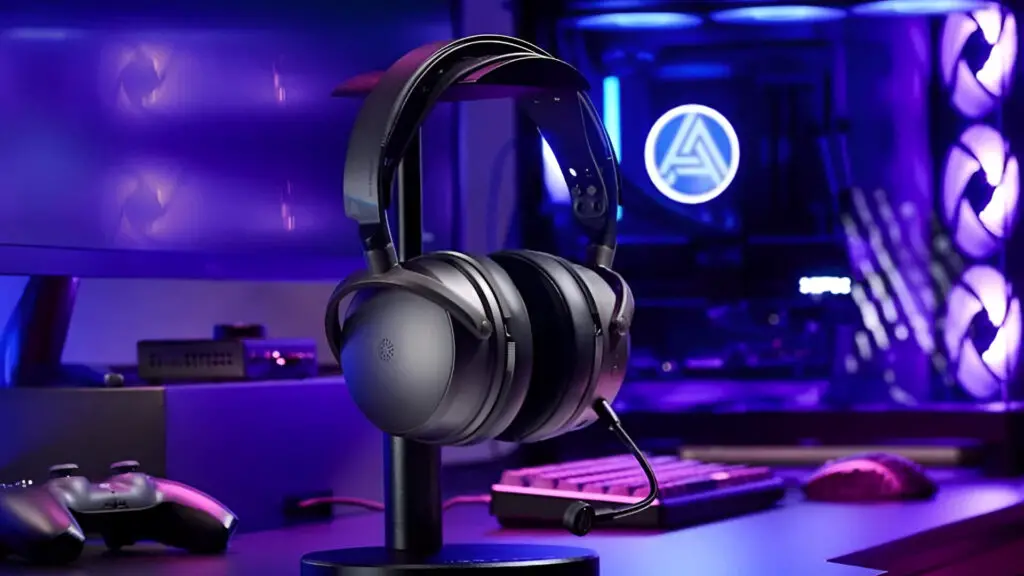
Dubbed simply the Maxwell 2, this iteration retains the core audio brilliance that made its predecessor a benchmark for audiophile gaming headsets. The original Maxwell quickly established itself as an outstanding performer, unmatched for audiophiles seeking the best wireless experience in gaming since its debut two years ago. Our deep dive at Digital Tech Explorer aims to unpack whether these new refinements push an already exceptional product into an entirely new league.
Unpacking the Hardware: Enhancements for the Maxwell 2
At first glance, the Maxwell 2 appears familiar, retaining the sophisticated 90 mm planar magnetic transducers, the proprietary Fluxor array of magnets, and the advanced Fazor audio phase management system—the very heart of its incredible sound. Even the robust 1800 mAh battery capacity remains unchanged, promising those long, uninterrupted gaming sessions. However, a noticeable jump in weight from 490g to 560g hints at significant internal additions, inviting us to explore what lies beneath the surface.
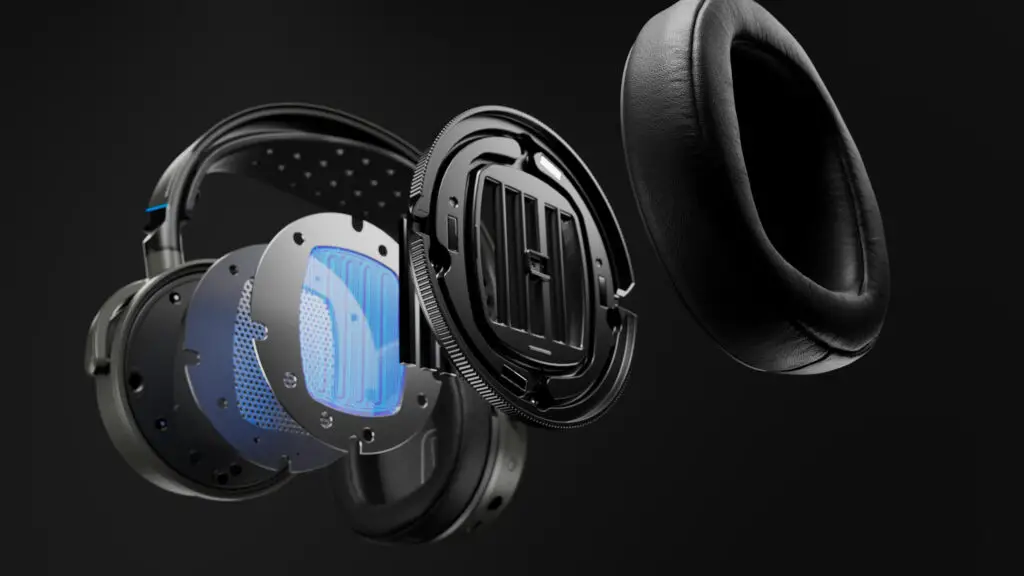
The primary contributor to this added weight, and arguably one of the most exciting innovations, is the integration of Audeze’s groundbreaking SLAM (Symmetric Linear Acoustic Modulator) technology. This isn’t just a marketing buzzword; it’s a physical system of precision-engineered channels designed to drastically improve bass response and fine-tune overall audio balance, delivering a more lifelike and impactful sound profile. This is a game-changer for immersive audio.
Beyond SLAM, a keen eye reveals other thoughtful refinements. The ear cup backs now feature subtle porting, likely contributing to that punchier bass response, a detail that TechTalesLeo appreciates for enhancing dynamic range. Furthermore, the headstrap has been vented—a welcome change to mitigate overheating during extended use, ensuring comfort through the longest battles. And for those who love personalization, the new ability to customize ear cups with magnetically-attached skins adds a touch of flair to your high-performance audio gear.
The internal upgrades are just as compelling. The microphone now boasts double the bandwidth, promising crisper, clearer voice communication, crucial for competitive PC games. While specifics on the exact improvements to sound spatial precision and the AI noise removal system are still emerging, any enhancement here is significant for truly immersive audio and crystal-clear comms. Additionally, the inclusion of Bluetooth Auracast support broadens connectivity options, although the absence of simultaneous BT connections remains a point of consideration for some users.
Software Evolution: A Modern Interface for a Premium Headset
Having used the original Audeze Maxwell extensively for both professional tasks and intensive gaming, one persistent request from the community (and indeed, from TechTalesLeo myself) was a software overhaul. The previous application, while functional, felt dated and clunky, underserving a premium headset of the Maxwell’s caliber. It’s a testament to Audeze’s responsiveness that this area has seen a significant upgrade.
Audeze has delivered a truly new app that transforms the user experience. While it primarily refines existing functionalities rather than introducing entirely new ones, the difference is night and day. We’re talking about a proper, modern piece of software with a crisp, clear UI and vastly improved responsiveness. This sleek interface finally matches the high-fidelity audio experience the hardware provides.
However, no software launch is without its teething issues. Our initial testing revealed some lingering quirks; specifically, when connecting the Maxwell headset via USB, the app occasionally struggles to differentiate between the cable and the dongle, leading to connection ambiguities. This indicates there’s still room for optimization to achieve a truly seamless experience, but the leap forward is undeniable.
As dedicated reviewers at Digital Tech Explorer, our commitment is to provide you with thoroughly researched and real-world tested insights. We eagerly anticipate getting our hands on the Maxwell 2 for a full, in-depth review. Rest assured, our team will put it through its paces to determine the true impact of these improvements on your gaming and listening experience, helping you make an informed decision.
The PlayStation version of the Audeze Maxwell 2 is priced at $329 and is available now. For Xbox enthusiasts, the Xbox version is priced at $349, with a current 2-3 week shipping delay attributed to a “regulatory issue.” This price difference stems from the Xbox variant including a Dolby Atmos license for enhanced spatial sound, while the PlayStation model leverages Sony’s Tempest 3D audio technology. Whichever platform you choose, the Maxwell 2 promises an unparalleled audio journey.
Affiliate Disclaimer: Some of the links on Digital Tech Explorer are affiliate links. This means we may earn a commission if you click through and make a purchase, at no additional cost to you. Our recommendations are based on thorough research and personal experience, upholding Digital Tech Explorer’s commitment to transparency.