
The integration of AI-generated voice acting into the gaming industry presents a growing debate, often raising concerns about player engagement and authenticity. While a technological marvel in some respects, its increasing prevalence, as seen in titles like Arc Raiders, which utilizes AI for certain text-to-speech lines, sparks crucial discussions within the tech and gaming communities.
Leading the charge against the burgeoning use of AI voiceovers is Neil Newbon, the acclaimed voice actor behind Baldur’s Gate 3’s iconic character Astarion. A multi-award recipient for his captivating performances, including recognition for Baldur’s Gate 3, Newbon’s recent strong opposition to AI voice technology in games echoes sentiments previously shared by his fellow Baldur’s Gate 3 castmates, highlighting a critical tension between innovation and artistry.
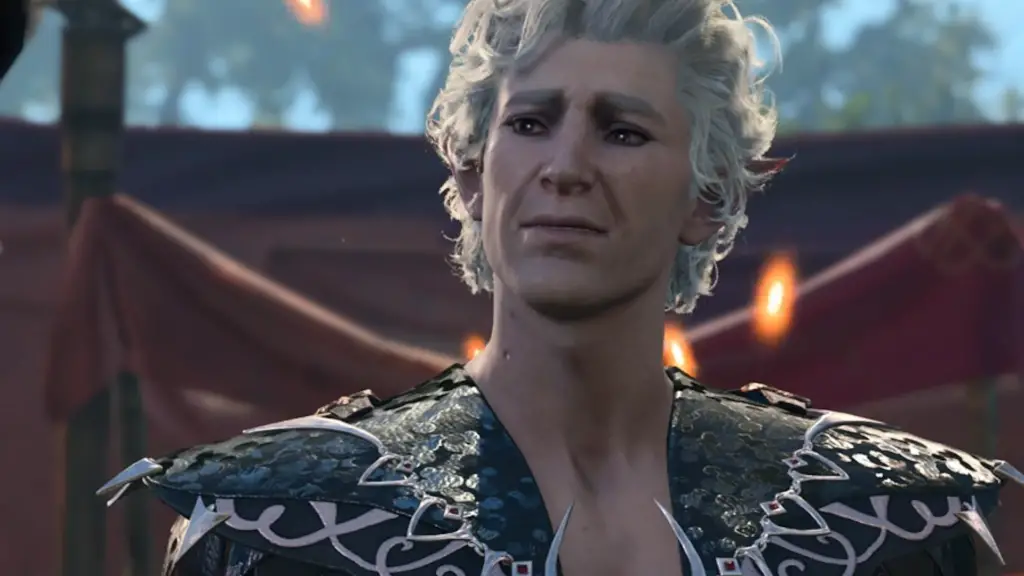
“Comparatively speaking, the amount of money it costs to do those voice lines compared to the rest of the game’s development is peanuts,” Newbon stated. “When a game’s successful, I don’t really get why [developers] don’t go ‘well, at the time we couldn’t afford to do it—it was too much or too difficult—but now we’ve been super successful, why don’t we go back and actually redo the lines with actors?’ That’s an option; I’m just saying.”
This perspective resonates deeply within the tech community, especially given that the cost of hiring voice talent for a few hours is often negligible compared to other significant development expenses, particularly for titles generating substantial revenue. However, the gaming industry, unfortunately, frequently operates under a relentless pursuit of the cheapest option. This often manifests in troubling trends, from widespread industry layoffs and executive decisions that prioritize short-term gains over long-term stability, to reports of developers experiencing burnout due to unsustainable crunch cycles. Such budget-focused approaches often overlook the qualitative aspects of game development, including the vital human element of voice acting, if current AI solutions face minimal public complaint.
“I don’t really think it’s legitimate,” Newbon continued, addressing the practice of using AI to manipulate a performer’s voice without direct recording. “If you’re going to not record the lines in the first place and just use AI to take somebody’s voice and manipulate it however the hell you want, that’s a problem. You’re robbing that performer of that day’s fee, and you’re robbing that performer of the ability to look after themselves or their family—most actors, notoriously, are not rich. Most of us struggle [for] our entire career.” This disparity is glaringly evident across the industry, with some reports, such as *PC Gamer*’s coverage, highlighting figures like EA CEO Andrew Wilson earning 260 times more than the median EA employee in a recent year. Newbon emphasized, “The justification is difficult. ‘Ah, we couldn’t really afford it;’ well, maybe find a way, now that you’ve made your money, to go back over those lines and do it better.”
Ethical and Immersion Concerns with AI Voice Acting
Beyond the immediate financial and ethical implications for actors, Newbon, a voice artist dedicated to compelling narratives, also critically points out the detrimental impact of AI voice on the player’s experience—a core concern for Digital Tech Explorer as we advocate for high-quality, engaging content. He candidly described AI voice as “dull as hell” and a significant detractor from immersion. “I don’t believe it; it takes me out of the immersion. People are saying it helps the immersion because it’s reactive. It takes me out of the experience because I just hear something that doesn’t sound like a human being in jeopardy, or in combat, or excitement, or whatever emotion you’re supposed to be aiming for. It doesn’t feel real.” This sentiment underscores a core issue that TechTalesLeo often explores: while AI can offer reactivity, it frequently lacks the genuine emotional nuance, artistic interpretation, and authentic humanity that professional voice actors bring, leading to an uncanny and ultimately less believable gaming experience.