
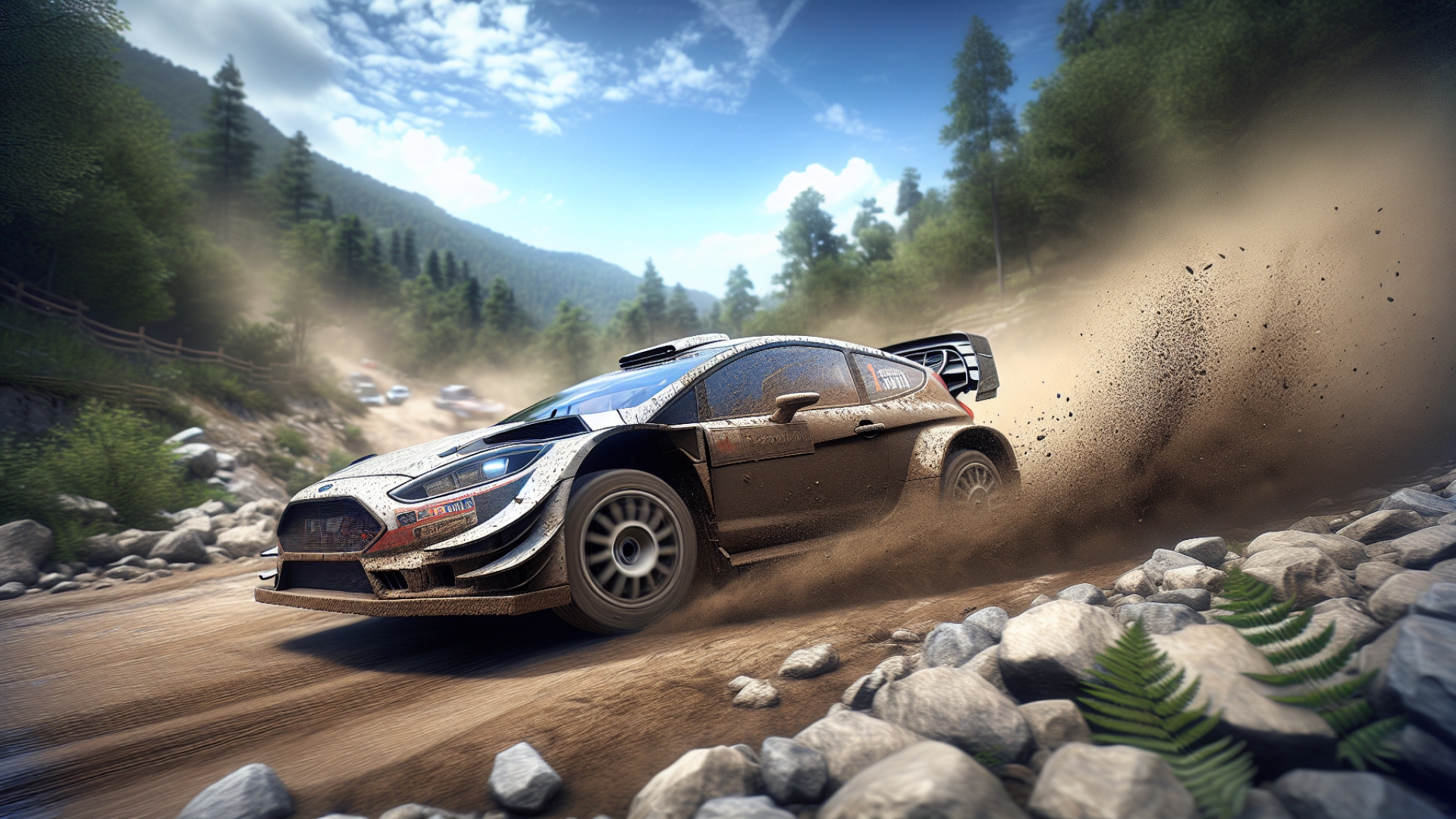
Here at Digital Tech Explorer, our resident tech storyteller, TechTalesLeo, has found that almost every loose surface racing sim for the past two decades has been remarkably forgiving. Titles like Dirt Rally 2, EA WRC, and the Nacon series, while distinct, share a common thread of ‘good grace.’ They subtly massage your inputs, offering that crucial extra fraction of a second to recover a drift. This inherent leeway often goes unnoticed until you encounter a game that strips it away entirely. Brace yourself for Assetto Corsa Rally.
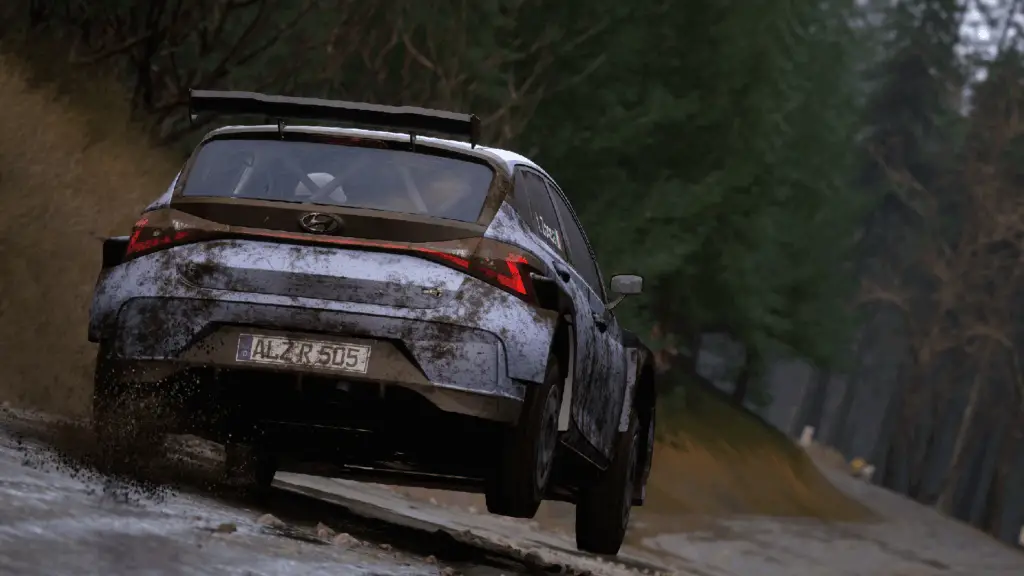
While Kunos Simulazioni continues development on their ambitious Gran Turismo-esque omni-simulator, Assetto Corsa Evo, the esteemed Roman studio has forged a technical partnership with Supernova Games Studios. Their mission: to deliver the most authentic—and undeniably demanding—rally sim to PC since the legendary Richard Burns Rally. Kunos provided the foundational vehicle handling physics and extensive technical data, allowing Supernova to leverage Unreal Engine 5. The result is a game designed to mercilessly dismantle any preconceived notions of your prowess on gravel tracks.
Despite being developed by a distinct studio, TechTalesLeo observes a strikingly familiar ‘Assetto Corsa’ DNA permeating this project’s look and feel. The visuals possess a distinctive crispness and clarity that appears almost engine-agnostic, maintaining a consistent aesthetic whether running on AC Evo‘s proprietary engine or AC Rally‘s Unreal Engine 5. Crucially, the latter inherits that same authoritative handling model. Just as you instinctively trust the realism on a circuit in AC Evo, you’ll find yourself not once questioning the car’s behaviour during a challenging rally stage in this new title.
The Relentless Demands of Rallying
While that’s fundamentally down to some incomprehensibly complex physics, there’s also the fact that rallying as a discipline leaves you with very few idle brain cells for thinking about anything else at all. The route is being positively thrown in your face in this game, calling for endless micro-decisions and judgments.
Does that kink look flat out up ahead? Should you risk keeping it nailed over the blind crest? Did that last pace note say left three, or two? Not to diminish the inherent skill in track racing, but at least when you’re jostling for positions at Spa-Francorchamps in a GT car you know what the next three corners look like and there isn’t a passenger shouting in your ear.
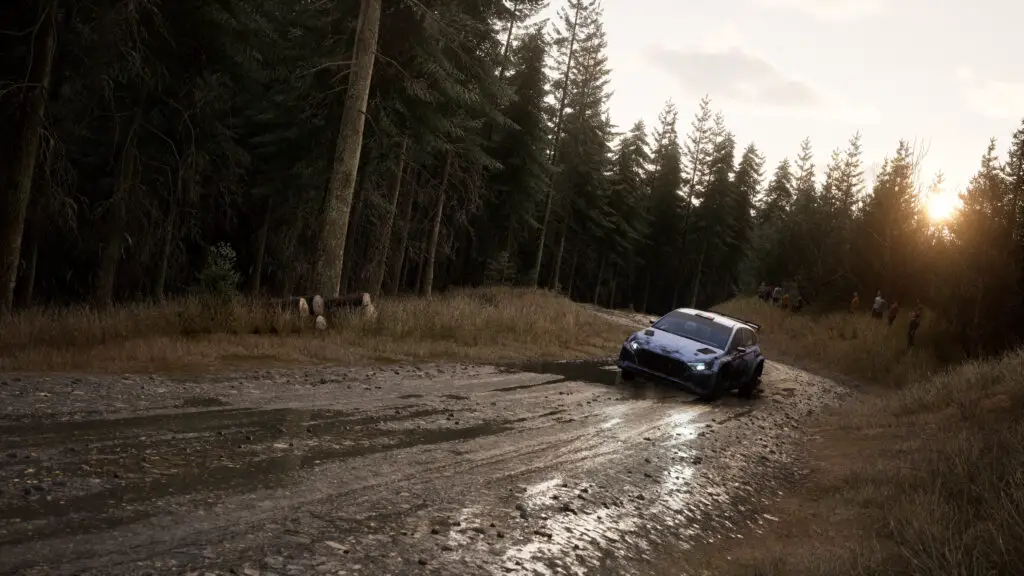
This immersive experience brings us to the core of what Digital Tech Explorer champions: the intrinsic satisfaction derived from mastering motorsport’s toughest discipline. Even amidst the inevitable stream of mistakes—and TechTalesLeo assures you, there will be many, for hours—you’ll find profound gratification. For fleeting moments, you’ll feel the vehicle dance on the precipice of traction, meticulously balancing it through turns. To achieve this in such an unforgiving simulator, while simultaneously processing rapid-fire pace notes, truly makes you feel every ounce like a professional rally driver.
Advanced Visuals and Laser-Scanned Tracks
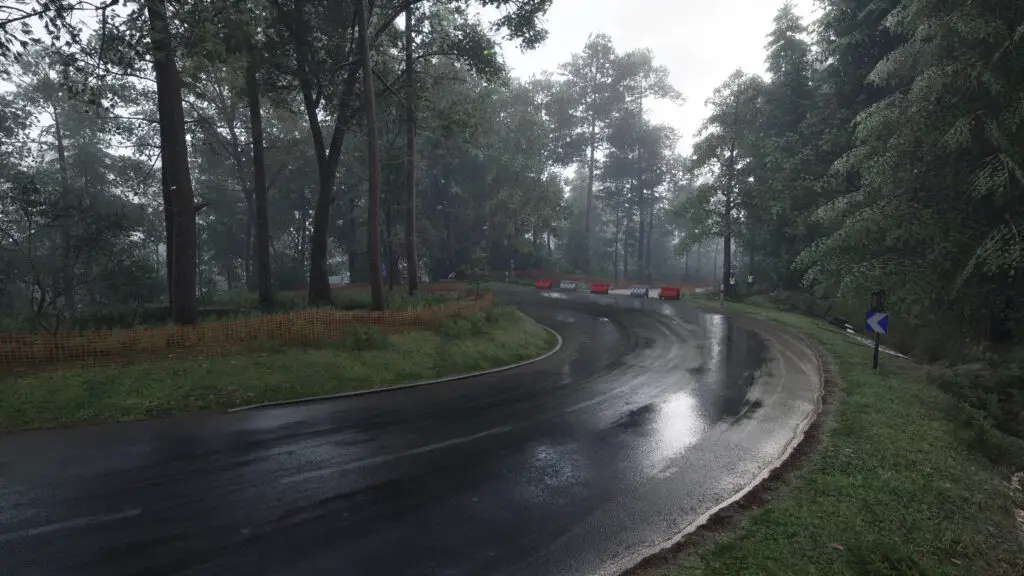
The initial Early Access release of Assetto Corsa Rally presents four meticulously crafted rally stages spanning two distinct locations. First, the challenging tarmac of Alsace in northeastern France, where strategically placed hay bale chicanes punctuate extended, high-speed straights that dare you to push the throttle to its limits. Second, Hafren, a true haven for loose-surface driving nestled in the Welsh hills, where fallen logs strategically line the outer edges of the road, always threatening a spectacular downfall.
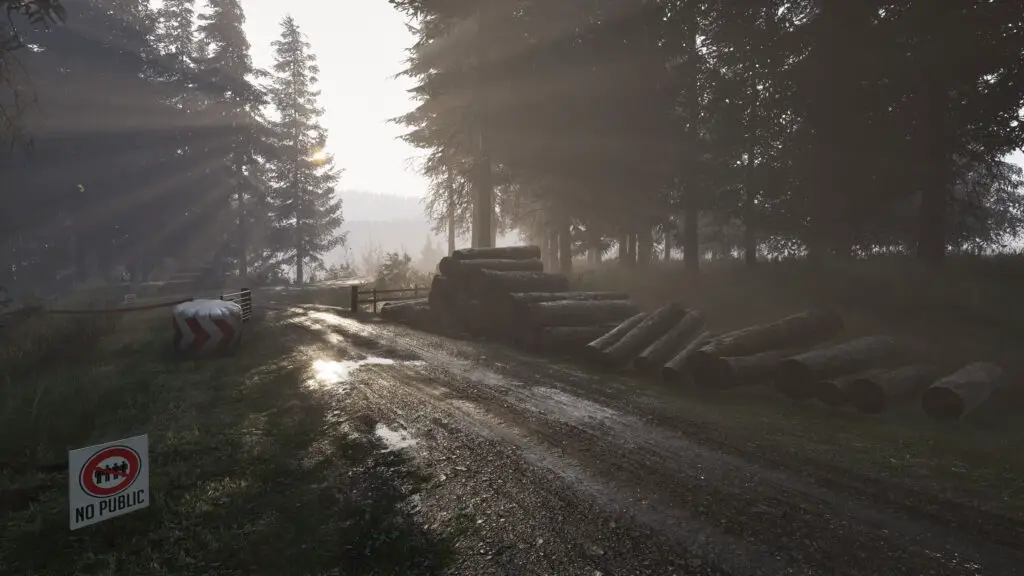
Both locations appear spectacular within Unreal Engine 5. And speaking of this powerful engine, TechTalesLeo’s real-world testing indicated that the build played maintained a rock-solid frame rate on an RTX 5070 rig, even with settings slightly below maximum. Crucially, there were no discernible stutters or hangs—a welcome improvement compared to issues that affected AC Evo‘s Early Access launch and plagued other non-racing UE5 titles in 2025.
Regarding graphical fidelity, TechTalesLeo can only speak to the unspecified settings sampled, which were slightly below maximum. However, the verdict is clear: both the vehicle models and environmental details are fantastic. This represents a significant visual leap over current rally sims, even surpassing EA WRC, which also utilized Unreal Engine effectively to create expansive landscapes but often struggled with performance inconsistencies.
What truly distinguishes both locations—and exemplifies Supernova’s unwavering commitment to accuracy—is that, like all planned stages, they are fully laser-scanned. This groundbreaking approach marks a significant first for rally games, offering more than just a marketing boast for the Steam page. It delivers tangible gameplay benefits.
For the first time in the genre, the roads are rendered with the precise width—or narrowness—they possess in reality.
Historically, developers constructed tracks using photographic references. More recently, the process of gathering an inch-by-inch profile of locations through laser-scanning has become a standard expectation for circuit-based racing simulators. Even titles like EA’s simcade F1 25 are actively updating their track roster to incorporate these highly accurate versions. This technology provides unparalleled detail regarding the track’s precise topography, minute surface imperfections, and the exact profile of trackside elements such as curbs and runoff areas. However, its widespread application has, until now, been exclusively limited to closed circuits.
Typically, rally games utilize real-world locations, but often rely on approximate routes or recreations of specific segments from actual stages. The colossal undertaking of laser-scanning every single inch of a 10-20km road network was previously considered impractical—until now. Supernova Games Studios has boldly embraced this challenge, delivering an unprecedented level of authenticity.
For players, this meticulous laser-scanning translates to an unprecedented sense of realism. For the first time in the genre, roads truly mirror their real-world counterparts in width and narrowness. Beyond just bumps, divots, and precise hill gradients, you’ll experience the claustrophobic tightening of a single-track winding through a forest, the perilous contours of ditches flanking the road, and the menacing protrusions of mulched earth lurking just beyond the drivable surface, poised to send your vehicle into an unexpected aerial ballet.
Variable Conditions and Future Outlook
While the initial launch might not offer an extensive road network, the inclusion of two vastly different road surfaces provides ample opportunity for dedicated players to master vehicle behavior across varied conditions. Furthermore, Supernova’s dynamic weather system introduces an additional layer of tactical complexity and variety, challenging even the most seasoned tech enthusiasts.
During TechTalesLeo’s real-world testing, a stage at Hafren in stormy conditions proved particularly brutal. The track was utterly soaked, pushing grip levels to an absolute minimum. The resulting experience was striking: not for a single moment did the rear wheels achieve full traction. It was a relentless slip-and-slide, a punishing set of conditions that virtually no other rally sim has dared to inflict upon players.
The spirit of Richard Burns Rally undoubtedly hovers over this discussion. It’s undeniable that AC Rally evokes the legendary 21-year-old title, even though they share little in common materially. RBR, sustained by a dedicated community of amateur modders, now functions more as a versatile platform than a standalone game. Visually, its stages and weather effects don’t compare to AC Rally. However, the connection is profound: RBR was the last time a studio boldly presented rally simulation in such an unyieldingly punishing, unfiltered form.
The enduring popularity and active modding community of RBR, two decades on, speak volumes about the potential of a truly challenging sim. Many publishers might shy away from releasing a game so inherently inaccessible, fearing it might frustrate players into disengagement from their very first drive. Yet, having consistently held players to such exacting standards across three successful track racing titles—AC, ACC, and AC Evo—Kunos and 505 Games clearly understand their audience of dedicated tech enthusiasts and professionals.
Kunos and 505 understand that a significant segment of their audience thrives on a stern, intrinsic driving challenge. This ethos is particularly relevant as AC Rally enters Early Access in a somewhat barebones state, lacking a career mode or full rally championships. Despite this, the depth of its core gameplay promises immense replayability. While career progression and a robust online competitive ecosystem will be desirable in future updates, the immediate focus for any discerning player will be to master one of the finest and most formidable rally physics models ever conceived. This commitment to core mechanics aligns perfectly with Digital Tech Explorer’s mission to help enthusiasts make informed decisions and enhance their skills.
For more insights into the world of PC gaming, check out:
2025 games: This year’s upcoming releases
Best PC games: Our all-time favorites
Free PC games: Freebie fest
Best FPS games: Finest gunplay
Best RPGs: Grand adventures
Best co-op games: Better together