
The tech world is buzzing, and here at Digital Tech Explorer, we’re diving deep into the latest revelation: Apple’s new A19 Pro chip for the iPhone 17. Initial Geekbench scores are already making significant waves, painting a picture of mobile performance that would be truly revolutionary if it belonged to a new x86 CPU for gaming PCs. This isn’t just a minor upgrade; it’s a testament to digital innovation pushing boundaries.

A19 Pro: Unpacking its Performance and IPC Advantage
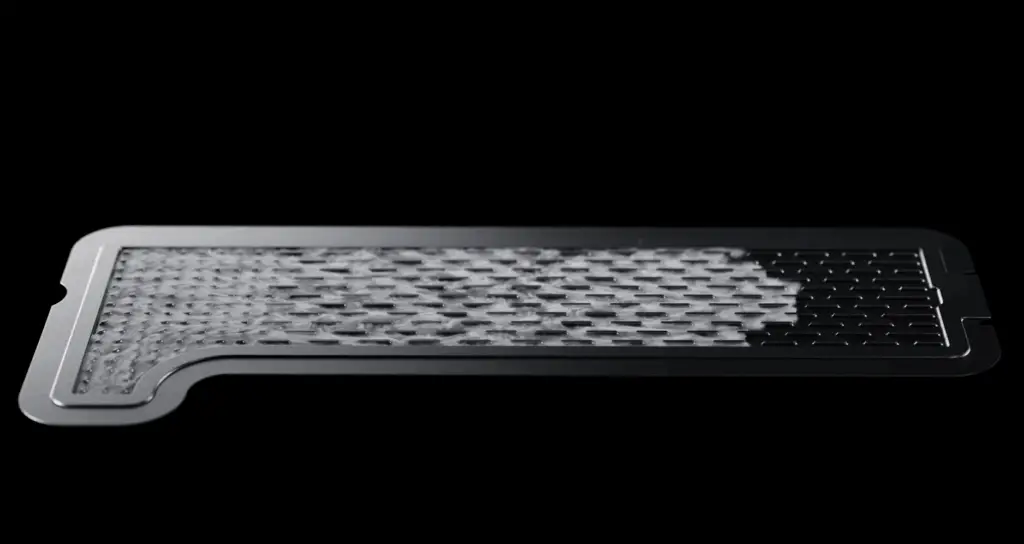
The A19 Pro is clocking scores of nearly 4,000 points in Geekbench 6’s single-thread test. To put this into perspective, even the best AMD desktop CPU typically hovers around 3,500 points. What makes this truly remarkable, as we often emphasize in our detailed product analyses, is that this staggering performance emerges from a chip housed within a phone. With the larger power budget and superior thermals of a desktop, the A19 Pro’s score would undoubtedly soar beyond 4,000. These impressive results, representing a roughly 15% boost over the previous-generation A18 Pro (which scores around 3,500 points), are notably aided by the iPhone 17’s new vapor chamber cooling system – a practical innovation for sustained mobile power.
While Geekbench offers a powerful indicator rather than a definitive real-world application benchmark, it clearly illustrates Apple’s enduring lead in IPC (Instructions Per Clock) and single-core performance over x86 chips from AMD and Intel. The new A19 Pro is set to not just continue, but significantly extend this trend. Our analysis suggests an estimated IPC advantage approaching 30% over the top x86 processors—a lead that’s truly massive and speaks volumes about Apple’s engineering prowess.
Apple’s Relentless Pace: Sustaining the Lead Over x86 Competitors
It’s highly improbable that competitors like AMD and Intel can close a 30% IPC gap in a single generation. This means that upcoming architectures such as AMD’s next-gen Zen 6 or Intel’s Nova Lake will likely struggle to match the raw performance of the Apple A19 Pro upon their eventual release. Timing, as we often highlight when tracking emerging technology trends, is a critical factor. The A19 Pro will soon be in the hands of users, while Zen 6 and Nova Lake are still a year or more away. By then, Apple will almost certainly have launched its subsequent CPU, expected to be manufactured on TSMC’s cutting-edge N2 silicon—a process even more advanced than the N3 used for the A19 Pro, guaranteeing another leap in performance.
Decoding Apple’s Performance Edge: An Ecosystem Advantage
This consistent architectural advantage naturally leads to a crucial question for our readers at Digital Tech Explorer: why are dedicated CPU giants like AMD and Intel seemingly struggling to keep pace? A primary driver is Apple’s unparalleled vertical integration, offering full control over its hardware and software ecosystem. By meticulously designing both its CPUs and operating systems, Apple achieves seamless optimization, extracting every ounce of performance. Furthermore, Apple commands immense resources and consistently leverages the very latest manufacturing processes from TSMC, ensuring its silicon is always at the bleeding edge.
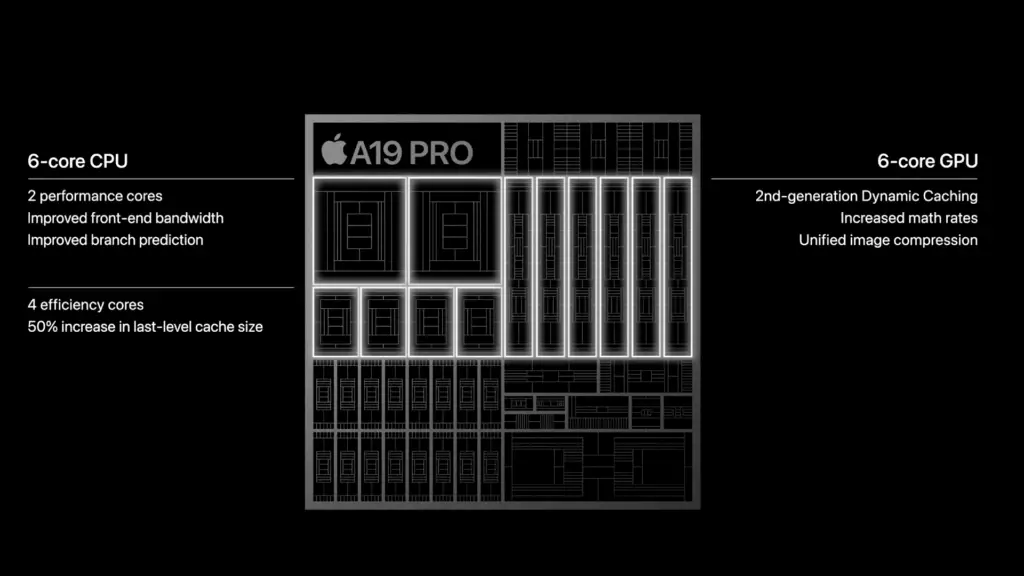
A closer look at the A19 Pro’s specifications reveals another significant contributor to its exceptional performance: cache memory. Geekbench 6 results suggest the Apple A19 Pro boasts a substantial 6MB of L2 cache per performance core. Contrast this with a top-tier chip like the AMD Ryzen 9 9950X3D, which features just 1MB of L2 cache per core. While a comprehensive cache comparison is complex due to architectural nuances like AMD’s 3D V-Cache and Apple’s integrated SoC cache, it’s evident that Apple is aggressively equipping its chips with generous amounts of cache, a strategy made feasible by its access to the most advanced silicon fabrication technologies.
While the exact recipe for Apple’s success involves more than just cache, the sheer performance achieved by the A19 Pro is undeniably impressive. For developers and tech enthusiasts alike, this level of processing power in a mobile device not only elevates the smartphone experience but also signals profound shifts in the broader landscape of computing. It’s a clear indication that the line between mobile and desktop-class performance continues to blur, inspiring us to keep exploring the future of digital innovation and what these advancements mean for your coding skills and tech decisions, right here on Digital Tech Explorer.