
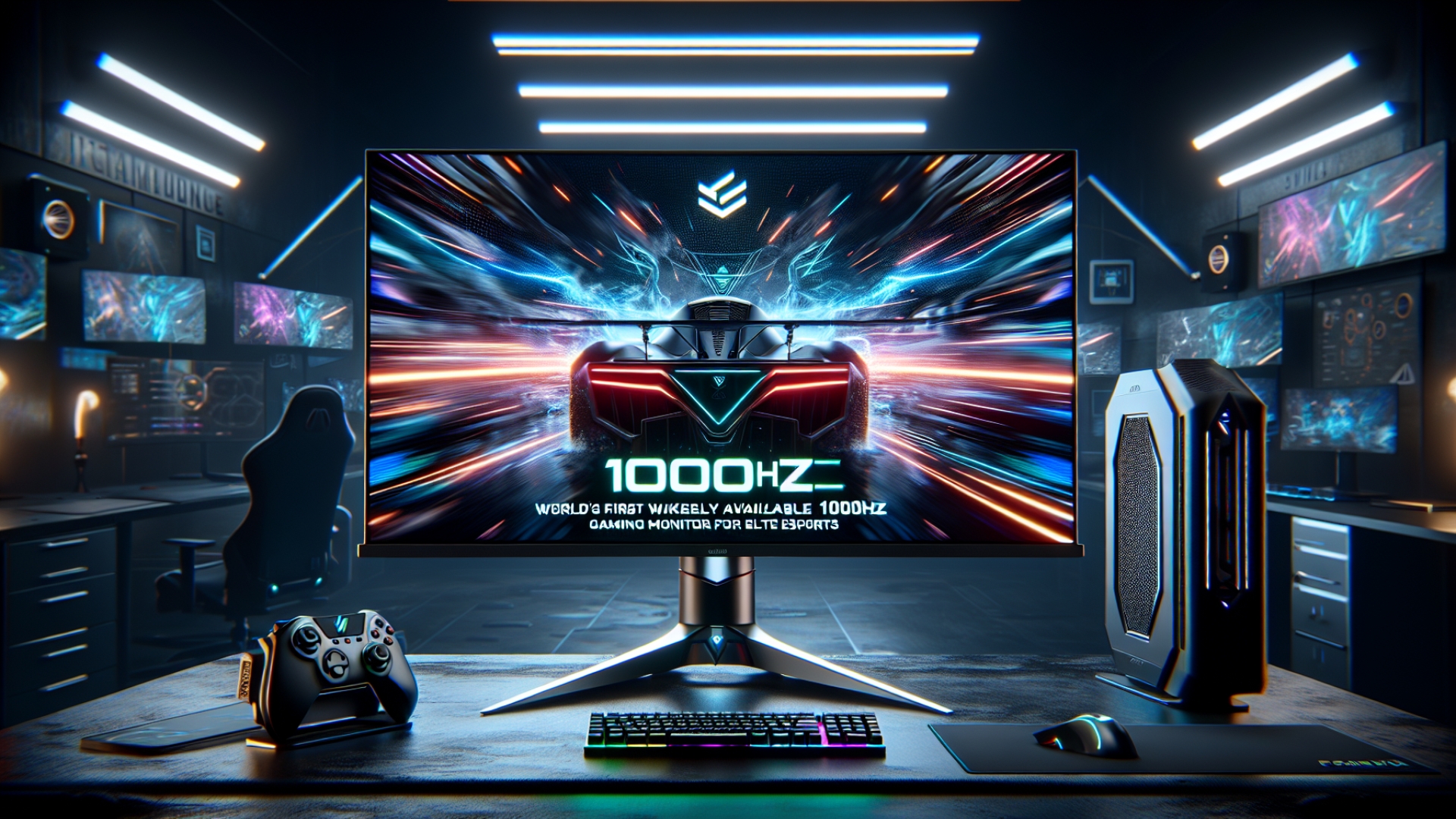
The gaming world is buzzing with anticipation as AntGamer prepares to launch the first widely available 1,000 Hz gaming monitor in 2026. This groundbreaking display isn’t just a numerical upgrade; it’s a statement piece aimed squarely at the elite echelon of competitive gamers who demand absolute precision in titles like Counter-Strike 2 and PlayerUnknown’s Battlegrounds. In a move that highlights the immense technical challenge, AntGamer has also released a white paper in collaboration with AMD, outlining the extraordinary hardware specifications needed to consistently achieve 1,000 frames per second (fps) in such demanding games. As Digital Tech Explorer, we delve into what this means for the future of gaming and display technology.
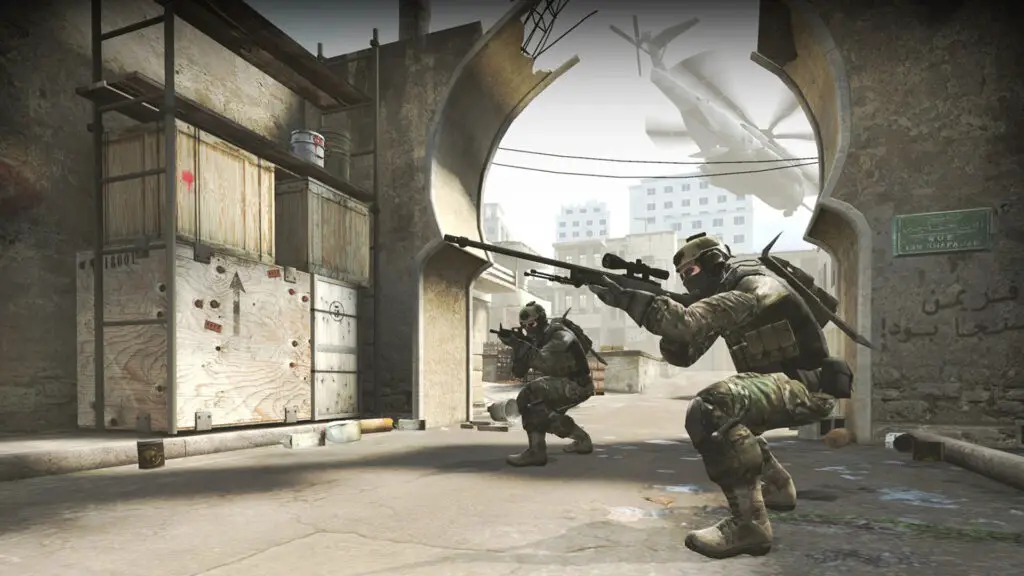
Engineering for Speed: Panel Technology and Motion Blur Mitigation
At the heart of this ultra-fast display is a TN panel. While TN technology typically offers a compromise on picture quality compared to its IPS and OLED counterparts, its selection here is a deliberate engineering choice for competitive gaming. TN panels excel in delivering exceptionally fast response times and come with lower manufacturing costs, making them ideal for pushing the boundaries of refresh rates where every millisecond counts.
Modern displays, whether IPS, TN, or OLED, fundamentally operate as ‘Sample and Hold’ displays. This mechanism inherently introduces motion blur because each image is held on screen until the next is rendered, creating a smear effect during rapid movement. A higher refresh rate is the most direct combatant to this phenomenon. To illustrate, a standard 60 Hz display exhibits 16.7ms of blur persistence, whereas the forthcoming 1,000 Hz display slashes this to a mere 1ms when consistently running at 1,000 fps. This significant reduction in persistence is a game-changer for visual clarity in fast-paced scenarios.
Beyond raw refresh rate, AntGamer’s monitor also incorporates Black Frame Insertion (BFI) to further mitigate motion blur. This advanced technique inserts a black frame between each displayed image, essentially tricking the eye into perceiving a sharper, clearer moving picture. This isn’t entirely new tech; similar BFI features are already found in other high-end monitors, including some of Asus’s premium OLED displays like the ROG Swift PG34WCDM, underscoring its effectiveness in enhancing visual fidelity.
The Road Ahead: Market Context and Future Implications
While experimental 1,000 Hz display technology has been showcased before, notably by TCL, AntGamer’s model marks a significant milestone as the first confirmed for a broad market release. However, critical details remain under wraps. The company has yet to disclose the expected price point or the specific display ports required to handle the immense data throughput necessary for such a high refresh rate – technical questions that developers and tech enthusiasts on Digital Tech Explorer are keen to see answered.
For many, the practical relevance of such an extreme refresh rate sparks debate. Most gamers are unlikely to perceive a significant visual difference beyond the mid-300 Hz range. Furthermore, consistently achieving a stable 1,000+ fps is a monumental challenge, demanding an exceptionally powerful GPU and often necessitating playing older or less graphically intensive games at lower settings. This highlights a crucial balance between monitor capability and system performance that users must consider when making informed purchasing decisions.
Expert opinion suggests that while 240 Hz is a solid current target, the future points towards even higher rates. Ex-Nvidia scientist Morgan McGuire echoes this, stating, “1 kHz+ for the long run” is a foreseeable direction for display technology. For now, however, these monitors are squarely positioned for elite players with very specific use cases and the dedicated, cutting-edge hardware to match.
It’s vital to remember that a significant mismatch between your game’s fps and the monitor’s refresh rate can lead to undesirable visual artifacts like screen tearing. Ultimately, while a 1,000 Hz gaming monitor represents a remarkable feat of engineering and a glimpse into future possibilities, it remains a specialized tool. It’s designed for a select few seeking every conceivable competitive edge and won’t inherently improve your performance in graphically rich, story-driven titles like Elden Ring. As Digital Tech Explorer, we encourage our readers to weigh the technical advancements against practical application for their specific needs.